The Tragedy of Urban Redevelopment in Uzbekistan
Category : | Sub Category : Posted on 2024-10-05 22:25:23
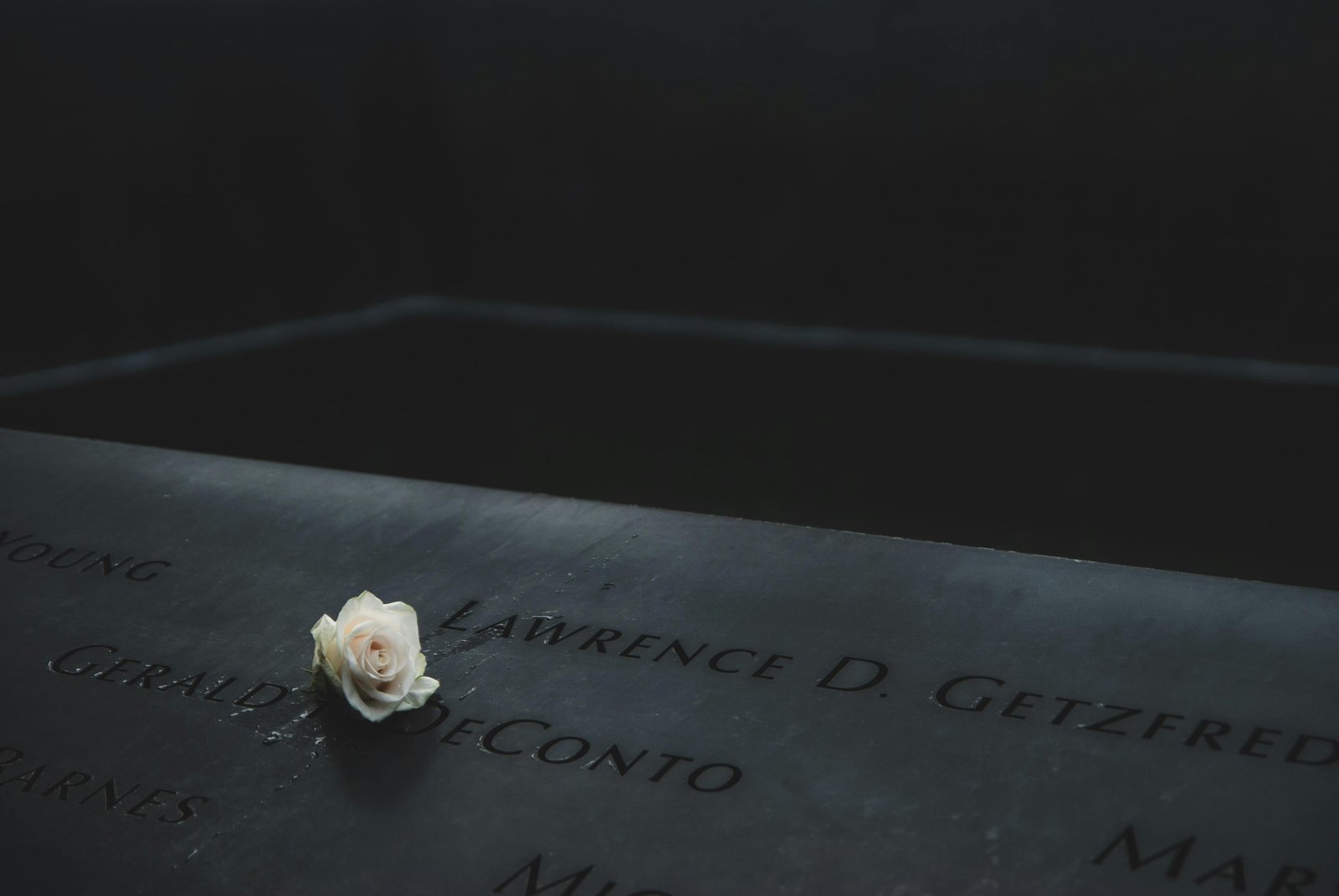
Urban redevelopment projects can bring about significant changes to a city, aiming to improve living standards, infrastructure, and attract investment. However, in some cases, these projects can lead to unforeseen consequences, causing a tragedy for the affected communities. One such example is the urban redevelopment tragedy in Uzbekistan. In recent years, Uzbekistan has undergone rapid urbanization and development, leading to increased pressure on existing urban areas. As a response, the government has initiated various urban redevelopment projects aimed at modernizing cities, improving living conditions, and promoting economic growth. While these projects are intended to benefit the population, they have often resulted in the displacement of residents, destruction of cultural heritage, and social unrest. One of the most notable examples of urban redevelopment tragedy in Uzbekistan is the Tashkent City project. The project aimed to transform the capital city of Tashkent into a modern business and cultural hub by demolishing old neighborhoods and building high-rise buildings, hotels, and shopping malls. However, the project led to the forced eviction of thousands of residents from their homes, many of whom were not adequately compensated or provided with alternative housing. The destruction of historic neighborhoods in Tashkent also resulted in the loss of valuable cultural heritage, as centuries-old buildings were demolished to make way for new developments. This rapid urbanization not only eroded the city's architectural charm but also displaced communities that had deep roots in these neighborhoods. The urban redevelopment tragedy in Uzbekistan serves as a cautionary tale about the importance of balancing development goals with social and cultural considerations. While urban development is crucial for economic growth and prosperity, it should not come at the expense of disenfranchising and displacing vulnerable communities. Moving forward, it is essential for policymakers in Uzbekistan to involve local communities in the planning and decision-making process of urban redevelopment projects. By ensuring transparency, fairness, and community participation, future projects can avoid the pitfalls of the past and create sustainable development that benefits all residents. In conclusion, the urban redevelopment tragedy in Uzbekistan highlights the complexities and challenges of modernizing cities while preserving their heritage and supporting their communities. Learning from past mistakes, it is imperative to prioritize people's well-being and cultural preservation in urban development efforts to create inclusive and sustainable cities for all.
https://desencadenar.org
https://constructional.org
Leave a Comment:
SEARCH
Recent News
- Zurich, Switzerland is a vibrant city known for its rich cultural scene and diverse music offerings. One unique aspect of Zurich's music scene is the presence of Sudanese music, which has found a home in the city's melting pot of cultures.
- Visiting Zurich, Switzerland, can be an enriching experience for music lovers from all corners of the world. While the city may not be the first place that comes to mind when thinking about South African music, Zurich's diverse music scene offers a glimpse into the vibrant sounds of this African nation.
- Zurich, Switzerland is a vibrant city known for its stunning architecture, picturesque landscapes, and rich culture. One aspect of Zurich's cultural scene that often goes under the radar is its regional music. The city and its surrounding areas are home to a diverse range of musical styles, reflecting the multiculturalism and artistic diversity of the region.
- Top 5 Zurich Regional Movies You Must Watch
- Zurich, Switzerland, is a vibrant city known for its stunning architecture, picturesque landscapes, and thriving cultural scene. In recent years, the city has also become a hub for film production, attracting filmmakers from around the world. Interestingly, a connection has emerged between Zurich and Paraguay through the medium of film.
- Zurich, Switzerland: Discovering the Vibrant Norwegian Music Scene
- Zurich - A Hub for Hungarian Films
- Zurich, Switzerland: A Hub for Estonian Music
READ MORE
8 months ago Category :

Zurich, Switzerland is a vibrant city known for its rich cultural scene and diverse music offerings. One unique aspect of Zurich's music scene is the presence of Sudanese music, which has found a home in the city's melting pot of cultures.
Read More →8 months ago Category :

Visiting Zurich, Switzerland, can be an enriching experience for music lovers from all corners of the world. While the city may not be the first place that comes to mind when thinking about South African music, Zurich's diverse music scene offers a glimpse into the vibrant sounds of this African nation.
Read More →8 months ago Category :

Zurich, Switzerland is a vibrant city known for its stunning architecture, picturesque landscapes, and rich culture. One aspect of Zurich's cultural scene that often goes under the radar is its regional music. The city and its surrounding areas are home to a diverse range of musical styles, reflecting the multiculturalism and artistic diversity of the region.
Read More →8 months ago Category :
