Tragedy and Resilience: Reflections on the Lisbon, Portugal Disaster
Category : | Sub Category : Posted on 2024-10-05 22:25:23
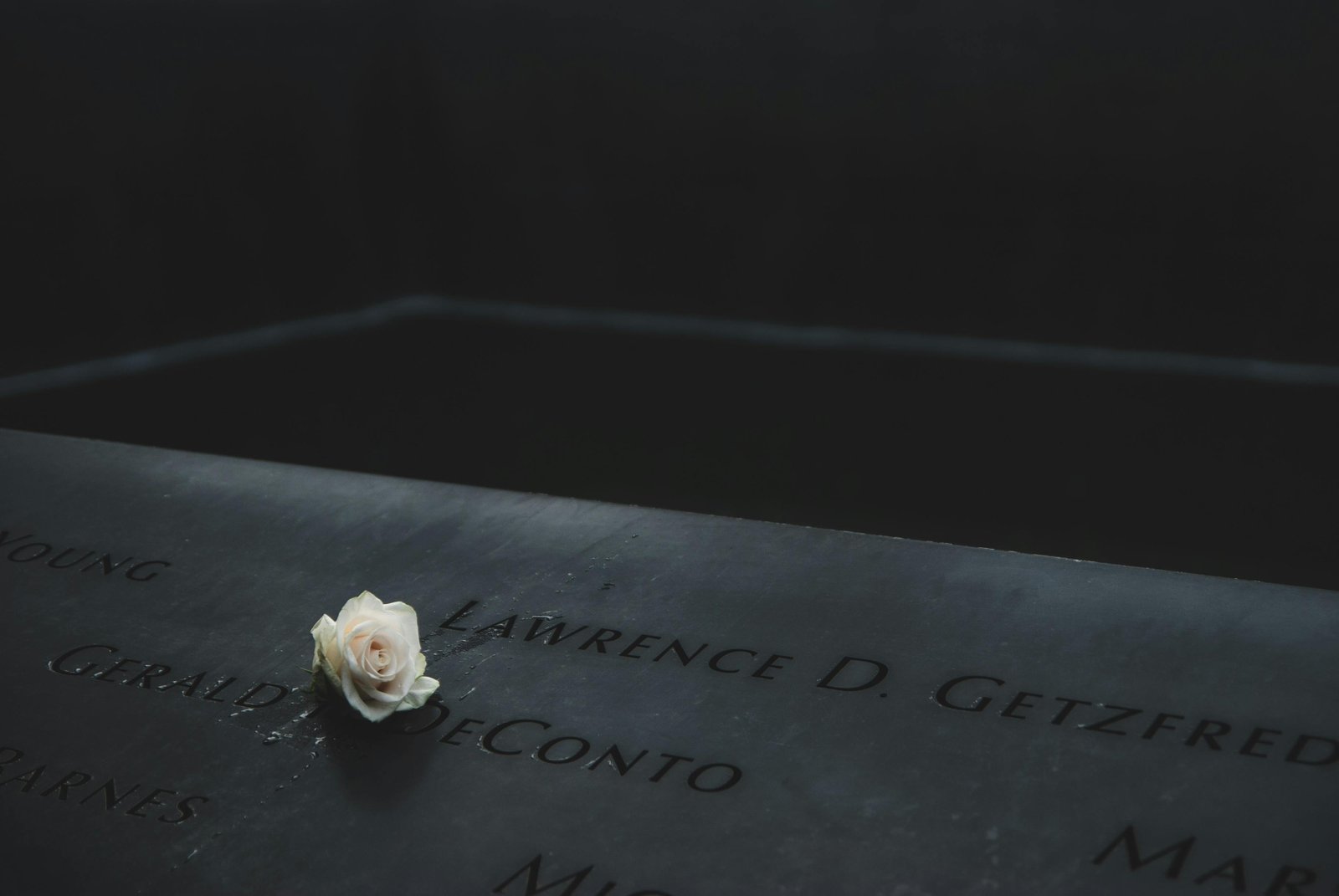
On the serene morning of November 1, 1755, a catastrophic event forever changed the landscape of Lisbon, Portugal. The city was struck by a powerful earthquake, followed by a devastating tsunami and fires that ravaged the once-thriving metropolis. The disaster not only reshaped the physical environment of Lisbon but also left an indelible mark on its inhabitants, shaping their collective memory and resilience in the face of tragedy. The earthquake, estimated to have a magnitude of 8.5 to 9.0, struck in the early hours of All Saints' Day, a holiday when churches were filled with worshippers. The tremors were so violent that buildings collapsed like houses of cards, trapping thousands of people beneath the rubble. The ensuing tsunami swept through the city, causing further destruction and loss of life. To make matters worse, fires broke out in the aftermath of the disaster, fueled by the debris and devastation left in the earthquake's wake. In the midst of chaos and despair, stories of heroism and solidarity emerged. Ordinary citizens turned into rescuers, digging through debris with their bare hands to save those trapped beneath. Communities came together to provide shelter, food, and comfort to the survivors who had lost everything. The tragedy brought out the best in people, showcasing the resilience and strength of the human spirit in the face of adversity. As the dust settled and the survivors began to rebuild their lives, a newfound sense of unity and purpose emerged in Lisbon. The disaster had exposed the city's vulnerabilities but also highlighted the resilience of its people. Urban planning and architectural reforms were implemented to prevent such a catastrophe from happening again, leading to the development of earthquake-resistant buildings and infrastructure. The Lisbon disaster of 1755 remains a poignant reminder of the fragility of human existence and the unpredictable forces of nature. It serves as a historical lens through which we can reflect on the resilience of communities in the face of tragedy and the power of collective action in rebuilding shattered lives. The stories of courage and compassion that emerged from the ruins of Lisbon continue to inspire future generations to face challenges with strength, unity, and unwavering hope. In conclusion, the tragedy that befell Lisbon, Portugal in 1755 was a defining moment in the city's history, shaping its identity and resilience for generations to come. The disaster may have left scars on the physical landscape, but it also revealed the indomitable spirit of the human heart in times of adversity. Lisbon's story is a testament to the power of community, compassion, and solidarity in overcoming even the darkest of moments. If you are enthusiast, check the following link https://www.ensayo.org
Leave a Comment:
SEARCH
Recent News
- Zurich, Switzerland is a vibrant city known for its rich cultural scene and diverse music offerings. One unique aspect of Zurich's music scene is the presence of Sudanese music, which has found a home in the city's melting pot of cultures.
- Visiting Zurich, Switzerland, can be an enriching experience for music lovers from all corners of the world. While the city may not be the first place that comes to mind when thinking about South African music, Zurich's diverse music scene offers a glimpse into the vibrant sounds of this African nation.
- Zurich, Switzerland is a vibrant city known for its stunning architecture, picturesque landscapes, and rich culture. One aspect of Zurich's cultural scene that often goes under the radar is its regional music. The city and its surrounding areas are home to a diverse range of musical styles, reflecting the multiculturalism and artistic diversity of the region.
- Top 5 Zurich Regional Movies You Must Watch
- Zurich, Switzerland, is a vibrant city known for its stunning architecture, picturesque landscapes, and thriving cultural scene. In recent years, the city has also become a hub for film production, attracting filmmakers from around the world. Interestingly, a connection has emerged between Zurich and Paraguay through the medium of film.
- Zurich, Switzerland: Discovering the Vibrant Norwegian Music Scene
- Zurich - A Hub for Hungarian Films
- Zurich, Switzerland: A Hub for Estonian Music
READ MORE
8 months ago Category :

Zurich, Switzerland is a vibrant city known for its rich cultural scene and diverse music offerings. One unique aspect of Zurich's music scene is the presence of Sudanese music, which has found a home in the city's melting pot of cultures.
Read More →8 months ago Category :

Visiting Zurich, Switzerland, can be an enriching experience for music lovers from all corners of the world. While the city may not be the first place that comes to mind when thinking about South African music, Zurich's diverse music scene offers a glimpse into the vibrant sounds of this African nation.
Read More →8 months ago Category :

Zurich, Switzerland is a vibrant city known for its stunning architecture, picturesque landscapes, and rich culture. One aspect of Zurich's cultural scene that often goes under the radar is its regional music. The city and its surrounding areas are home to a diverse range of musical styles, reflecting the multiculturalism and artistic diversity of the region.
Read More →8 months ago Category :
