The Tragic History Between Brussels, Belgium, and Congo
Category : | Sub Category : Posted on 2024-10-05 22:25:23
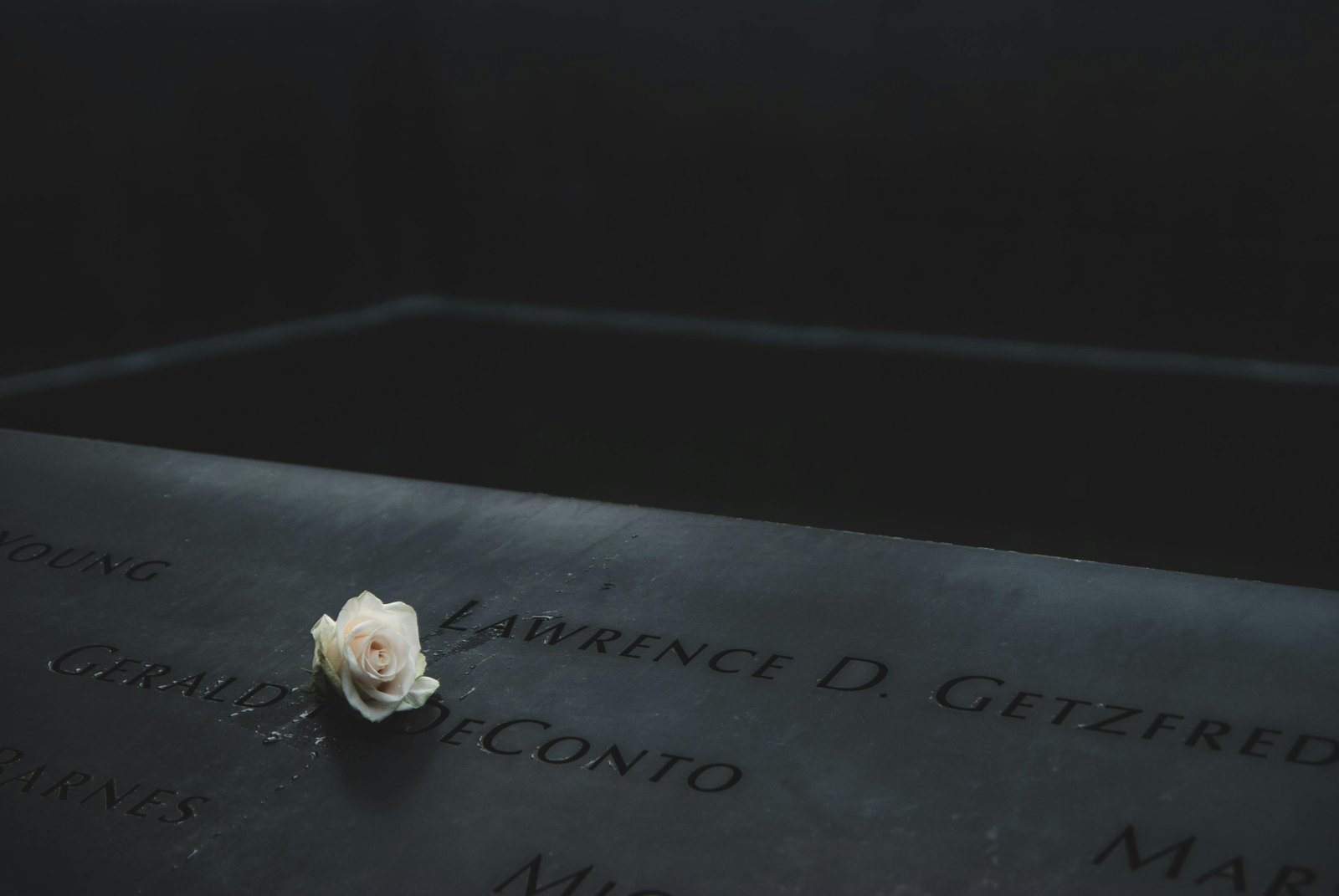
The relationship between Brussels, Belgium, and Congo has been marked by tragedy and controversy. The tragic history dates back to the late 19th century when Congo became a Belgian colony under the rule of King Leopold II. What followed was a period of exploitation, violence, and suffering for the Congolese people. Under King Leopold II's brutal regime, the Congolese people were subjected to forced labor, atrocities, and widespread human rights abuses. The rubber trade, in particular, led to the deaths of millions of Congolese people due to the harsh working conditions and brutal treatment by the colonial authorities. The atrocities committed in Congo under Belgian rule were widely documented and sparked international outrage. Humanitarian organizations and activists, such as E.D. Morel and Roger Casement, brought attention to the atrocities and called for an end to the brutal exploitation of the Congolese people. In 1908, under mounting pressure, Congo became a Belgian colony overseen by the Belgian government. While the direct rule of King Leopold II ended, the legacy of exploitation and suffering endured for the Congolese people. In more recent times, the tragic history between Brussels, Belgium, and Congo continues to haunt the relationship between the two nations. The scars of colonialism run deep, and the effects of exploitation and violence are still felt in Congo today. Belgium has taken some steps to acknowledge its colonial past and address the historical injustices. In 2019, the Royal Museum for Central Africa in Brussels reopened after a major renovation that aimed to present a more critical and inclusive view of Belgium's colonial history in Congo. However, the wounds of the past are not easily healed, and tensions persist in the relationship between Brussels, Belgium, and Congo. The tragic history serves as a reminder of the need to confront and address the legacy of colonialism and strive for reconciliation and justice. As we reflect on the tragic history between Brussels, Belgium, and Congo, it is crucial to remember the resilience and strength of the Congolese people in the face of adversity. By acknowledging the past and working towards a more equitable and just future, we can honor the memory of those who suffered and ensure that such tragedies are never repeated.
Leave a Comment:
SEARCH
Recent News
- Zurich, Switzerland is a vibrant city known for its rich cultural scene and diverse music offerings. One unique aspect of Zurich's music scene is the presence of Sudanese music, which has found a home in the city's melting pot of cultures.
- Visiting Zurich, Switzerland, can be an enriching experience for music lovers from all corners of the world. While the city may not be the first place that comes to mind when thinking about South African music, Zurich's diverse music scene offers a glimpse into the vibrant sounds of this African nation.
- Zurich, Switzerland is a vibrant city known for its stunning architecture, picturesque landscapes, and rich culture. One aspect of Zurich's cultural scene that often goes under the radar is its regional music. The city and its surrounding areas are home to a diverse range of musical styles, reflecting the multiculturalism and artistic diversity of the region.
- Top 5 Zurich Regional Movies You Must Watch
- Zurich, Switzerland, is a vibrant city known for its stunning architecture, picturesque landscapes, and thriving cultural scene. In recent years, the city has also become a hub for film production, attracting filmmakers from around the world. Interestingly, a connection has emerged between Zurich and Paraguay through the medium of film.
- Zurich, Switzerland: Discovering the Vibrant Norwegian Music Scene
- Zurich - A Hub for Hungarian Films
- Zurich, Switzerland: A Hub for Estonian Music
READ MORE
8 months ago Category :

Zurich, Switzerland is a vibrant city known for its rich cultural scene and diverse music offerings. One unique aspect of Zurich's music scene is the presence of Sudanese music, which has found a home in the city's melting pot of cultures.
Read More →8 months ago Category :

Visiting Zurich, Switzerland, can be an enriching experience for music lovers from all corners of the world. While the city may not be the first place that comes to mind when thinking about South African music, Zurich's diverse music scene offers a glimpse into the vibrant sounds of this African nation.
Read More →8 months ago Category :

Zurich, Switzerland is a vibrant city known for its stunning architecture, picturesque landscapes, and rich culture. One aspect of Zurich's cultural scene that often goes under the radar is its regional music. The city and its surrounding areas are home to a diverse range of musical styles, reflecting the multiculturalism and artistic diversity of the region.
Read More →8 months ago Category :
