The Poetic Tragedy of Architecture in Art and Design
Category : | Sub Category : Posted on 2024-10-05 22:25:23
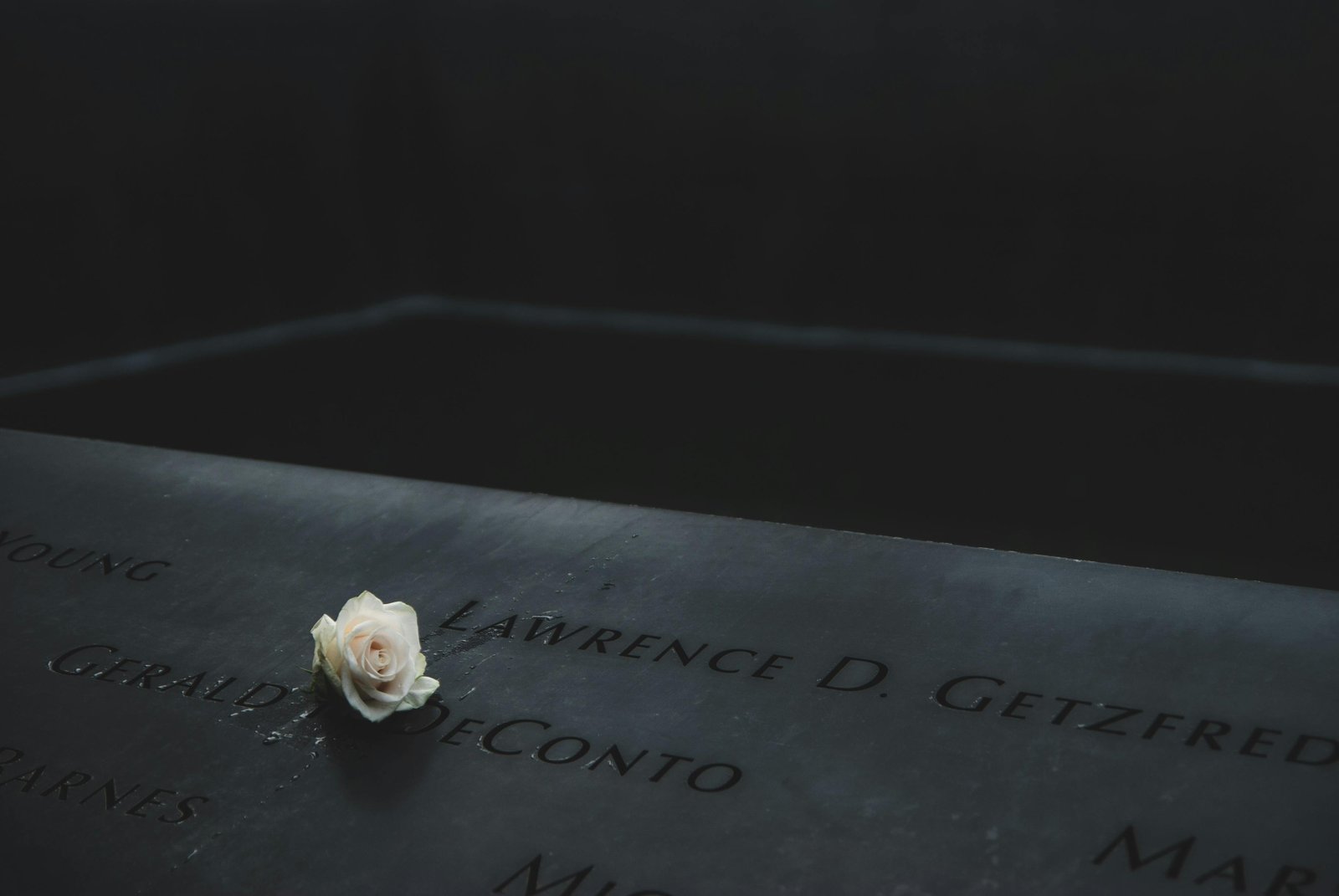
Architecture has always been a powerful medium for expressing emotions, stories, and even tragedies. Throughout history, architects and designers have used their creations to evoke a sense of melancholy, sorrow, and contemplation. This fusion of tragedy and art in architecture results in captivating and thought-provoking structures that leave a lasting impact on those who experience them. One of the most famous examples of tragedy in architecture is the Memorial to the Murdered Jews of Europe in Berlin, Germany. Designed by architect Peter Eisenman, this memorial consists of 2,711 concrete slabs arranged in a grid pattern on a sloping field. The uneven ground and varying heights of the slabs create a disorienting and somber atmosphere, symbolizing the systematic murder of six million Jews during the Holocaust. Visitors to the memorial often describe feeling a sense of isolation, unease, and grief as they navigate through the maze-like structure. Another poignant example of tragedy in architecture is the National September 11 Memorial & Museum in New York City. The memorial features two reflecting pools set within the footprints of the Twin Towers, surrounded by bronze panels inscribed with the names of the nearly 3,000 victims of the 9/11 attacks. The design of the memorial invites visitors to reflect on the tragic events of that day and pay tribute to the lives lost. The underground museum further immerses visitors in the emotional impact of the attacks through artifacts, photographs, and personal stories. Beyond memorials, tragedy in architecture can also be found in temporary installations and art pieces that address social issues, environmental disasters, and personal struggles. For instance, artist Ai Weiwei's "Remembering" installation featured 9,000 children's backpacks arranged on the facade of a museum in Munich to commemorate the 2008 Sichuan earthquake in China, which claimed the lives of thousands of schoolchildren. The haunting sight of the colorful backpacks serves as a stark reminder of the tragedy and loss experienced in the aftermath of the natural disaster. Tragedy in architecture is not always literal or overt; it can be subtle, symbolic, and open to interpretation. Design elements such as material choice, lighting, spatial composition, and use of negative space can all contribute to the emotional resonance of a structure. By embracing the tragic aspects of human experience, architects and designers have the power to create spaces that transcend mere functionality and aesthetics, inviting reflection, empathy, and connection. In conclusion, the incorporation of tragedy into architecture within the realm of art and design serves as a poignant reminder of the complexities of the human condition. By exploring themes of loss, suffering, and resilience, architects and designers can enrich the built environment with layers of meaning and emotion that resonate with viewers on a deep and profound level. Tragedy in architecture is not just about creating visually striking or emotionally charged structures; it is about sparking dialogue, fostering empathy, and honoring the past while looking towards the future.
Leave a Comment:
SEARCH
Recent News
- Zurich, Switzerland is a vibrant city known for its rich cultural scene and diverse music offerings. One unique aspect of Zurich's music scene is the presence of Sudanese music, which has found a home in the city's melting pot of cultures.
- Visiting Zurich, Switzerland, can be an enriching experience for music lovers from all corners of the world. While the city may not be the first place that comes to mind when thinking about South African music, Zurich's diverse music scene offers a glimpse into the vibrant sounds of this African nation.
- Zurich, Switzerland is a vibrant city known for its stunning architecture, picturesque landscapes, and rich culture. One aspect of Zurich's cultural scene that often goes under the radar is its regional music. The city and its surrounding areas are home to a diverse range of musical styles, reflecting the multiculturalism and artistic diversity of the region.
- Top 5 Zurich Regional Movies You Must Watch
- Zurich, Switzerland, is a vibrant city known for its stunning architecture, picturesque landscapes, and thriving cultural scene. In recent years, the city has also become a hub for film production, attracting filmmakers from around the world. Interestingly, a connection has emerged between Zurich and Paraguay through the medium of film.
- Zurich, Switzerland: Discovering the Vibrant Norwegian Music Scene
- Zurich - A Hub for Hungarian Films
- Zurich, Switzerland: A Hub for Estonian Music
READ MORE
8 months ago Category :

Zurich, Switzerland is a vibrant city known for its rich cultural scene and diverse music offerings. One unique aspect of Zurich's music scene is the presence of Sudanese music, which has found a home in the city's melting pot of cultures.
Read More →8 months ago Category :

Visiting Zurich, Switzerland, can be an enriching experience for music lovers from all corners of the world. While the city may not be the first place that comes to mind when thinking about South African music, Zurich's diverse music scene offers a glimpse into the vibrant sounds of this African nation.
Read More →8 months ago Category :

Zurich, Switzerland is a vibrant city known for its stunning architecture, picturesque landscapes, and rich culture. One aspect of Zurich's cultural scene that often goes under the radar is its regional music. The city and its surrounding areas are home to a diverse range of musical styles, reflecting the multiculturalism and artistic diversity of the region.
Read More →8 months ago Category :
