The State-Paid Rwanda Tragedy: Reflecting on the Dark Chapter of History
Category : | Sub Category : Posted on 2024-10-05 22:25:23
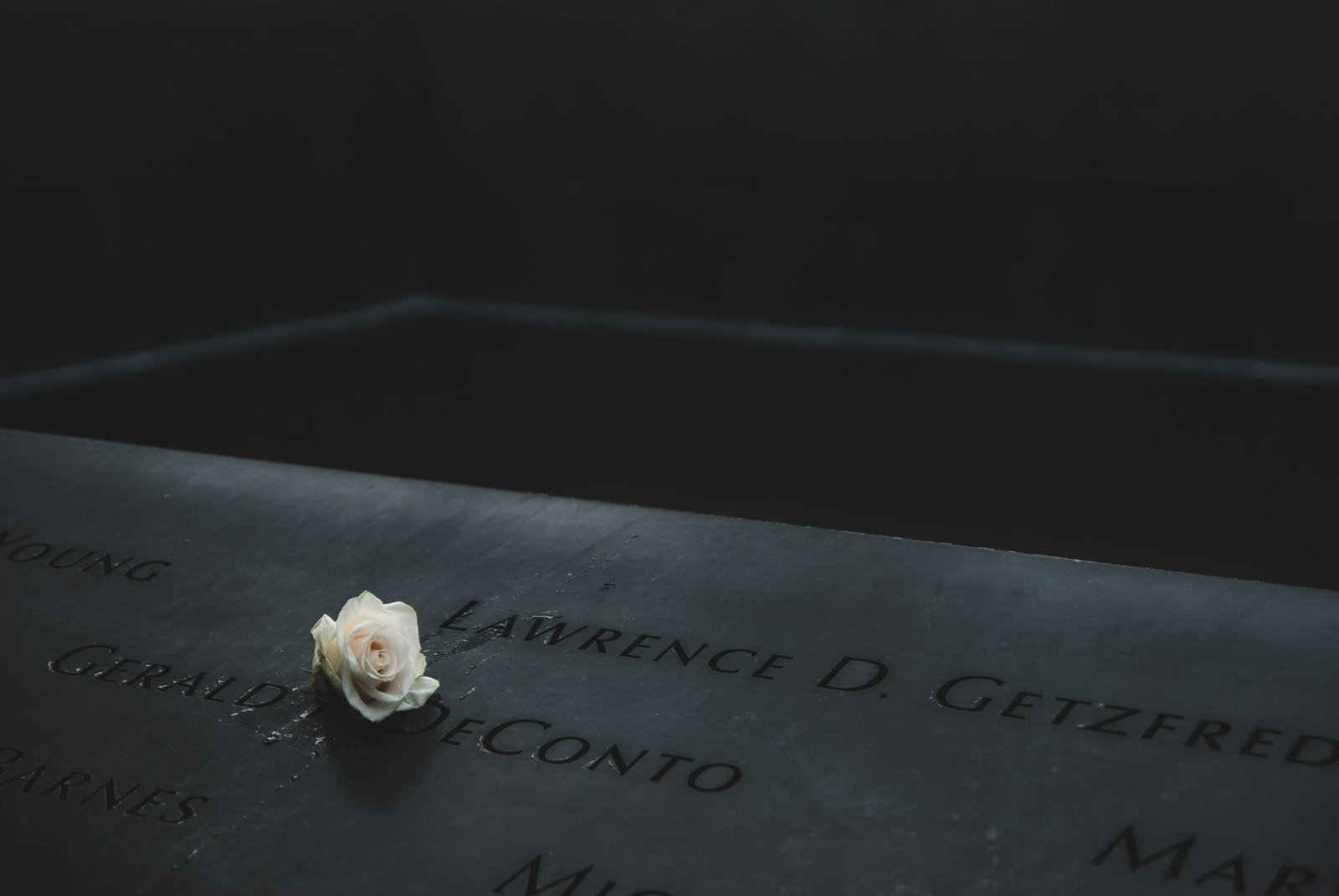
The 1994 genocide in Rwanda stands as one of the most harrowing tragedies of the 20th century. During this dark period, an estimated 800,000 ethnic Tutsis and moderate Hutus were brutally murdered in a state-sponsored campaign of violence. The genocide was fueled by long-standing ethnic tensions and political power struggles, and it left an indelible mark on the nation's collective consciousness. One of the most chilling aspects of the Rwanda genocide was the extent to which the state apparatus was involved in orchestrating and executing the violence. Political and military leaders used propaganda to dehumanize the Tutsi population, turning neighbor against neighbor and inciting waves of brutal killings. The government not only failed to protect its citizens but actively participated in the genocide, providing support and resources to those carrying out the massacres. The international community's response to the genocide in Rwanda was widely criticized for its inaction and failure to intervene effectively. Despite evidence of mass atrocities and calls for urgent intervention, the United Nations and other global powers were slow to respond, allowing the violence to escalate unchecked. The lack of political will and decisive action in the face of genocide remains a stain on the conscience of the international community. In the aftermath of the genocide, Rwanda has made significant strides towards reconciliation and rebuilding. The country has implemented innovative justice mechanisms, including traditional Gacaca courts and community-based initiatives, to address the legacy of violence and promote healing and forgiveness. Rwanda's remarkable recovery and development efforts have received international recognition and praise, demonstrating the resilience and determination of the Rwandan people to move beyond their tragic past. As we reflect on the state-paid tragedy in Rwanda, it is crucial to remember the victims and survivors of the genocide and honor their memory. The world must remain vigilant against the forces of hatred and division that lead to such unspeakable atrocities and strive to promote peace, justice, and reconciliation in all corners of the globe. Only by confronting the darkest chapters of history can we hope to build a more just and compassionate future for generations to come.
Leave a Comment:
SEARCH
Recent News
- Zurich, Switzerland is a vibrant city known for its rich cultural scene and diverse music offerings. One unique aspect of Zurich's music scene is the presence of Sudanese music, which has found a home in the city's melting pot of cultures.
- Visiting Zurich, Switzerland, can be an enriching experience for music lovers from all corners of the world. While the city may not be the first place that comes to mind when thinking about South African music, Zurich's diverse music scene offers a glimpse into the vibrant sounds of this African nation.
- Zurich, Switzerland is a vibrant city known for its stunning architecture, picturesque landscapes, and rich culture. One aspect of Zurich's cultural scene that often goes under the radar is its regional music. The city and its surrounding areas are home to a diverse range of musical styles, reflecting the multiculturalism and artistic diversity of the region.
- Top 5 Zurich Regional Movies You Must Watch
- Zurich, Switzerland, is a vibrant city known for its stunning architecture, picturesque landscapes, and thriving cultural scene. In recent years, the city has also become a hub for film production, attracting filmmakers from around the world. Interestingly, a connection has emerged between Zurich and Paraguay through the medium of film.
- Zurich, Switzerland: Discovering the Vibrant Norwegian Music Scene
- Zurich - A Hub for Hungarian Films
- Zurich, Switzerland: A Hub for Estonian Music
READ MORE
9 months ago Category :

Zurich, Switzerland is a vibrant city known for its rich cultural scene and diverse music offerings. One unique aspect of Zurich's music scene is the presence of Sudanese music, which has found a home in the city's melting pot of cultures.
Read More →9 months ago Category :

Visiting Zurich, Switzerland, can be an enriching experience for music lovers from all corners of the world. While the city may not be the first place that comes to mind when thinking about South African music, Zurich's diverse music scene offers a glimpse into the vibrant sounds of this African nation.
Read More →9 months ago Category :

Zurich, Switzerland is a vibrant city known for its stunning architecture, picturesque landscapes, and rich culture. One aspect of Zurich's cultural scene that often goes under the radar is its regional music. The city and its surrounding areas are home to a diverse range of musical styles, reflecting the multiculturalism and artistic diversity of the region.
Read More →9 months ago Category :
