Understanding the Range of Emotions Surrounding the Rwanda Tragedy
Category : | Sub Category : Posted on 2024-10-05 22:25:23
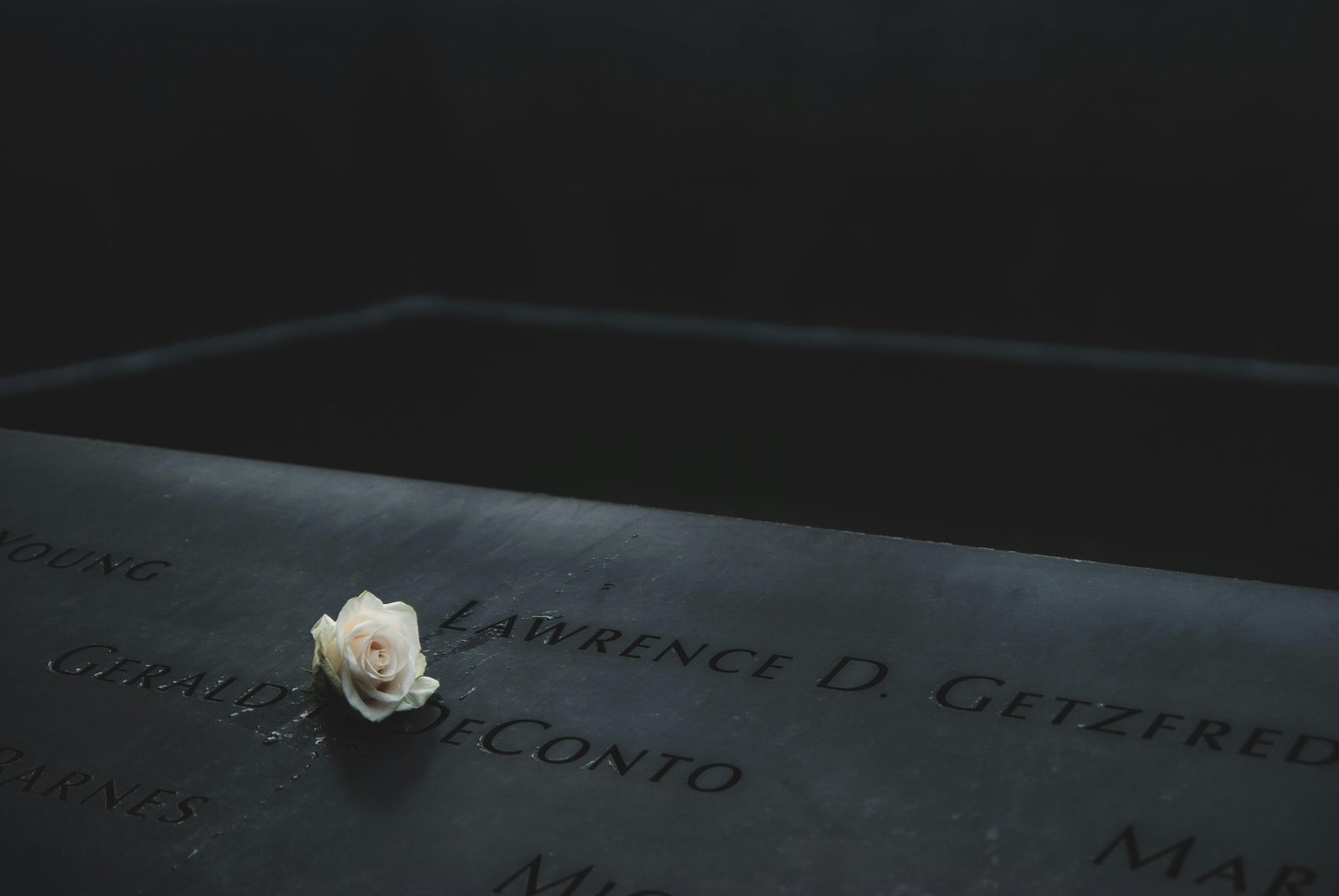
The Rwanda genocide of 1994 stands as one of the darkest chapters in human history. The horrific events that unfolded during that period left lasting scars on the nation and its people. The magnitude of the tragedy evokes a wide range of emotions, both for those directly affected and for individuals around the world who bear witness to the devastation. One of the most pervasive emotions associated with the Rwanda tragedy is sorrow. The loss of hundreds of thousands of lives in such a brutal and senseless manner is a profound tragedy that continues to haunt survivors and their families. The sheer scale of the violence and the stories of unimaginable suffering serve as a constant reminder of the human capacity for cruelty and injustice. Anger is another emotion that is commonly felt in relation to the Rwanda tragedy. Many people feel a sense of outrage at the failure of the international community to intervene and prevent the genocide from occurring. The knowledge that the atrocities could have been prevented, or at least mitigated, leaves many feeling frustrated and powerless in the face of such senseless violence. Guilt is also a prevalent emotion that arises in discussions about the Rwanda tragedy. For some, the awareness that the international community turned a blind eye to the escalating violence in Rwanda and failed to act in a timely manner can lead to feelings of complicity and shame. The realization that more could have been done to prevent the loss of so many lives can be a heavy burden to bear. On the other hand, hope and resilience are also powerful emotions that emerge from the Rwanda tragedy. Despite the overwhelming grief and trauma experienced by survivors, many have found ways to rebuild their lives and communities in the aftermath of the genocide. The resilience and strength demonstrated by the people of Rwanda in the face of such unimaginable suffering serve as a testament to the human spirit's capacity for healing and renewal. In conclusion, the emotions surrounding the Rwanda tragedy are complex and multifaceted, ranging from profound sorrow and anger to guilt, hope, and resilience. By acknowledging and understanding this wide spectrum of emotions, we can honor the memory of those who lost their lives and work towards building a more compassionate and just world where such atrocities are never repeated.
Leave a Comment:
SEARCH
Recent News
- Zurich, Switzerland is a vibrant city known for its rich cultural scene and diverse music offerings. One unique aspect of Zurich's music scene is the presence of Sudanese music, which has found a home in the city's melting pot of cultures.
- Visiting Zurich, Switzerland, can be an enriching experience for music lovers from all corners of the world. While the city may not be the first place that comes to mind when thinking about South African music, Zurich's diverse music scene offers a glimpse into the vibrant sounds of this African nation.
- Zurich, Switzerland is a vibrant city known for its stunning architecture, picturesque landscapes, and rich culture. One aspect of Zurich's cultural scene that often goes under the radar is its regional music. The city and its surrounding areas are home to a diverse range of musical styles, reflecting the multiculturalism and artistic diversity of the region.
- Top 5 Zurich Regional Movies You Must Watch
- Zurich, Switzerland, is a vibrant city known for its stunning architecture, picturesque landscapes, and thriving cultural scene. In recent years, the city has also become a hub for film production, attracting filmmakers from around the world. Interestingly, a connection has emerged between Zurich and Paraguay through the medium of film.
- Zurich, Switzerland: Discovering the Vibrant Norwegian Music Scene
- Zurich - A Hub for Hungarian Films
- Zurich, Switzerland: A Hub for Estonian Music
READ MORE
8 months ago Category :

Zurich, Switzerland is a vibrant city known for its rich cultural scene and diverse music offerings. One unique aspect of Zurich's music scene is the presence of Sudanese music, which has found a home in the city's melting pot of cultures.
Read More →8 months ago Category :

Visiting Zurich, Switzerland, can be an enriching experience for music lovers from all corners of the world. While the city may not be the first place that comes to mind when thinking about South African music, Zurich's diverse music scene offers a glimpse into the vibrant sounds of this African nation.
Read More →8 months ago Category :

Zurich, Switzerland is a vibrant city known for its stunning architecture, picturesque landscapes, and rich culture. One aspect of Zurich's cultural scene that often goes under the radar is its regional music. The city and its surrounding areas are home to a diverse range of musical styles, reflecting the multiculturalism and artistic diversity of the region.
Read More →8 months ago Category :
