Understanding the Rwanda Tragedy: Definition and Concept Clarification
Category : | Sub Category : Posted on 2024-10-05 22:25:23
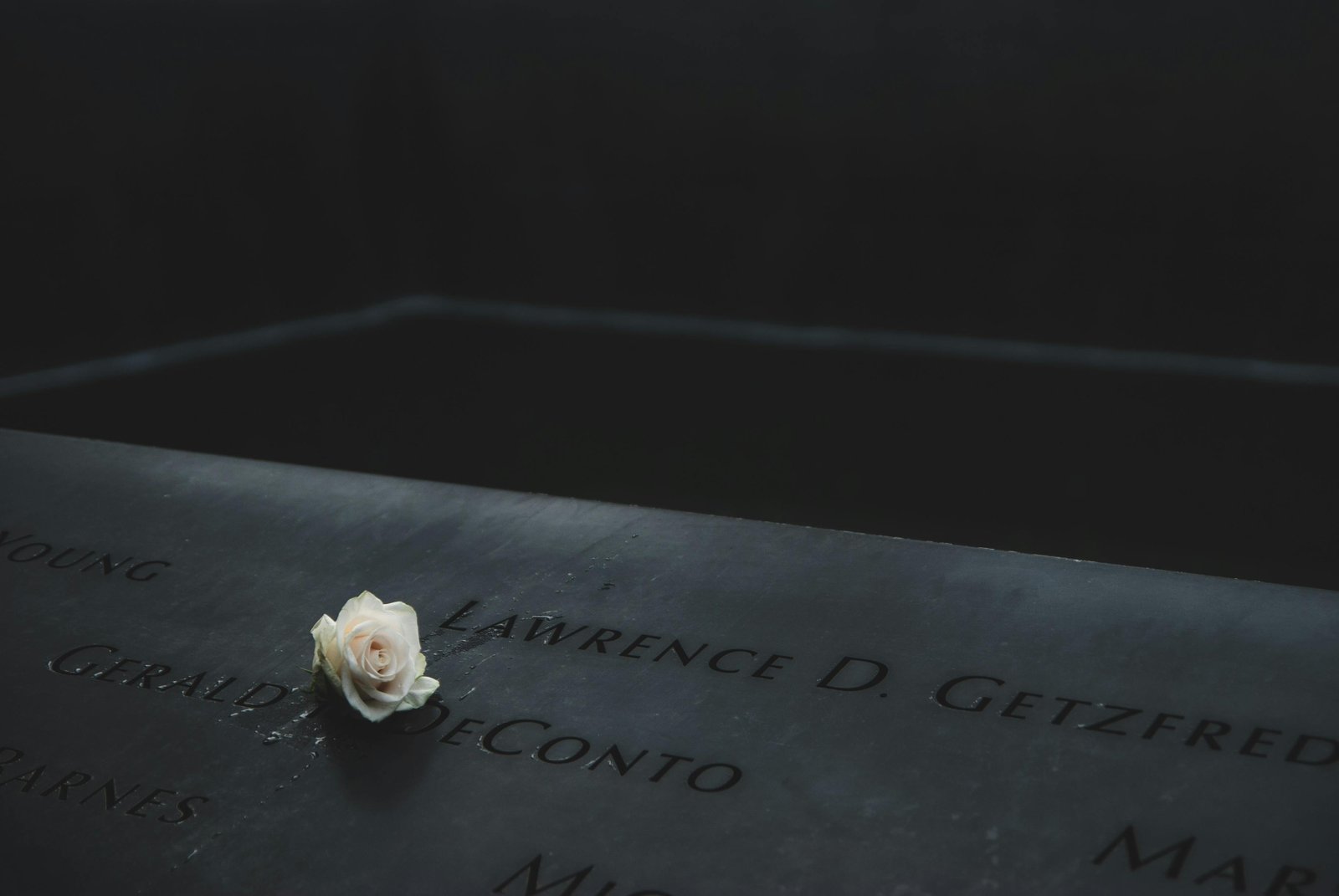
The Rwanda tragedy refers to the horrific events that took place in the African country of Rwanda during the spring and early summer of 1994. This tragic period was characterized by the mass slaughter of an estimated 800,000 people, primarily of the Tutsi ethnic group, by extremist members of the majority Hutu population. The genocide was marked by brutal violence, systematic killings, and widespread atrocities that shook the world and left a deep scar on the collective memory of humanity. Conceptually, the Rwanda tragedy serves as a stark reminder of the devastating consequences of ethnic hatred, political manipulation, and societal division. It highlights the dangers of prejudice, discrimination, and dehumanization, which can fuel violence and lead to unspeakable atrocities. The term "genocide," as defined by the United Nations, refers to acts committed with intent to destroy, in whole or in part, a national, ethnical, racial, or religious group. The events in Rwanda clearly meet this definition, as the systematic killings targeted a specific ethnic group based on deep-rooted prejudices and historical tensions. It is essential to clarify that the Rwanda tragedy was not an isolated event but rather a culmination of complex social, political, and historical factors. The legacy of colonialism, ethnic divisions, and power struggles all played a role in laying the groundwork for the tragedy that unfolded in 1994. Moreover, the failure of the international community to intervene effectively and stop the genocide remains a painful reminder of the consequences of inaction in the face of such atrocities. In reflecting on the Rwanda tragedy, it is crucial to honor the memory of the victims, recognize the survivors' resilience, and learn from the mistakes of the past to prevent such horrors from happening again. Education, awareness, and efforts to promote peace, reconciliation, and justice are key in ensuring that the world never forgets the lessons of Rwanda and works towards building a more inclusive, tolerant, and peaceful future. In conclusion, the Rwanda tragedy stands as a dark chapter in human history, a stark reminder of the capacity for hatred and violence that lies within us. By understanding the definition and concept of this tragic event, we can strive to create a world where such atrocities have no place and where respect for human dignity, diversity, and compassion prevails.
Leave a Comment:
SEARCH
Recent News
- Zurich, Switzerland is a vibrant city known for its rich cultural scene and diverse music offerings. One unique aspect of Zurich's music scene is the presence of Sudanese music, which has found a home in the city's melting pot of cultures.
- Visiting Zurich, Switzerland, can be an enriching experience for music lovers from all corners of the world. While the city may not be the first place that comes to mind when thinking about South African music, Zurich's diverse music scene offers a glimpse into the vibrant sounds of this African nation.
- Zurich, Switzerland is a vibrant city known for its stunning architecture, picturesque landscapes, and rich culture. One aspect of Zurich's cultural scene that often goes under the radar is its regional music. The city and its surrounding areas are home to a diverse range of musical styles, reflecting the multiculturalism and artistic diversity of the region.
- Top 5 Zurich Regional Movies You Must Watch
- Zurich, Switzerland, is a vibrant city known for its stunning architecture, picturesque landscapes, and thriving cultural scene. In recent years, the city has also become a hub for film production, attracting filmmakers from around the world. Interestingly, a connection has emerged between Zurich and Paraguay through the medium of film.
- Zurich, Switzerland: Discovering the Vibrant Norwegian Music Scene
- Zurich - A Hub for Hungarian Films
- Zurich, Switzerland: A Hub for Estonian Music
READ MORE
8 months ago Category :

Zurich, Switzerland is a vibrant city known for its rich cultural scene and diverse music offerings. One unique aspect of Zurich's music scene is the presence of Sudanese music, which has found a home in the city's melting pot of cultures.
Read More →8 months ago Category :

Visiting Zurich, Switzerland, can be an enriching experience for music lovers from all corners of the world. While the city may not be the first place that comes to mind when thinking about South African music, Zurich's diverse music scene offers a glimpse into the vibrant sounds of this African nation.
Read More →8 months ago Category :

Zurich, Switzerland is a vibrant city known for its stunning architecture, picturesque landscapes, and rich culture. One aspect of Zurich's cultural scene that often goes under the radar is its regional music. The city and its surrounding areas are home to a diverse range of musical styles, reflecting the multiculturalism and artistic diversity of the region.
Read More →8 months ago Category :
