Unraveling the Contradictions of the Rwanda Tragedy
Category : | Sub Category : Posted on 2024-10-05 22:25:23
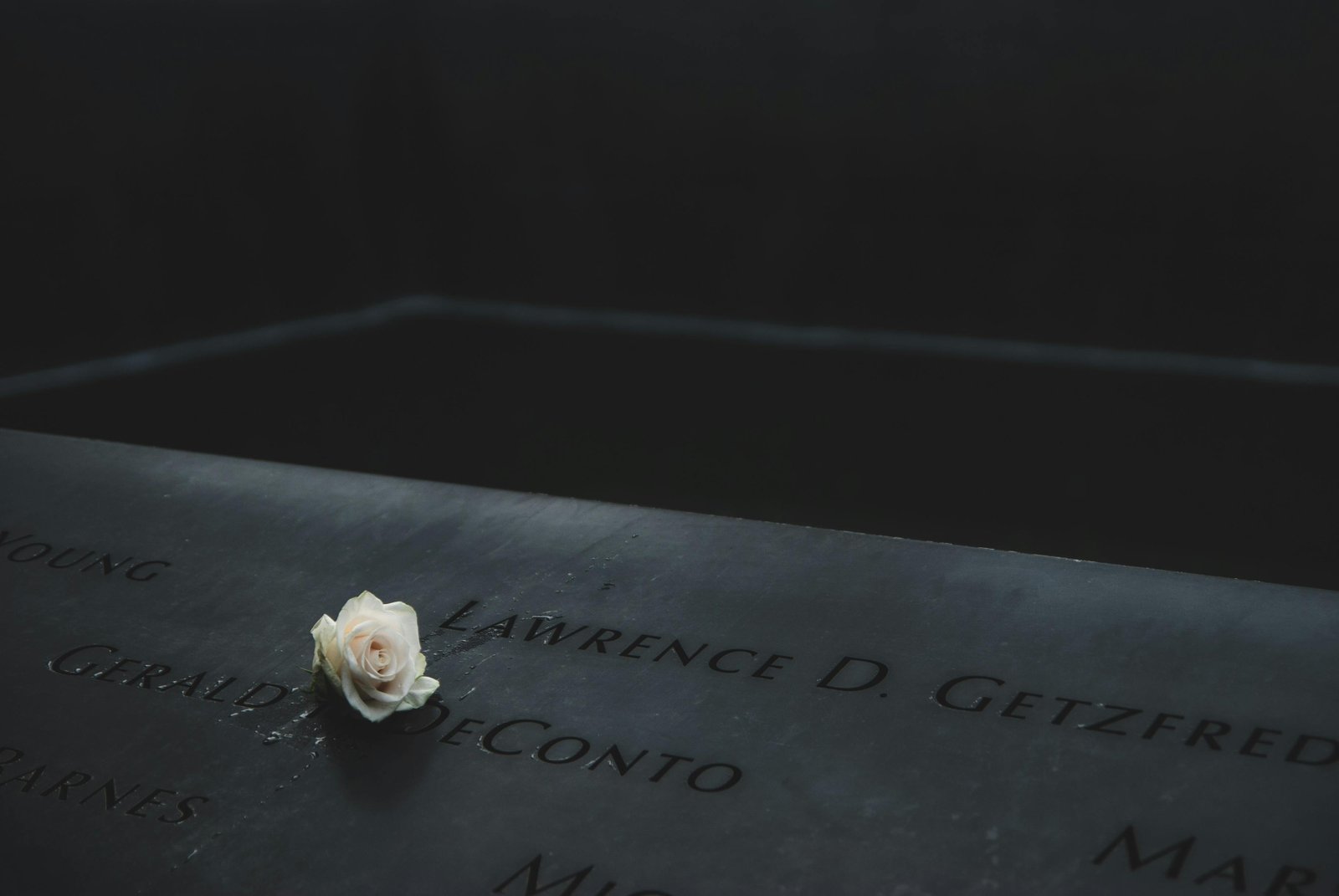
The Rwandan Genocide of 1994 was a dark chapter in human history, marked by unspeakable atrocities and profound suffering. The sheer scale of the violence, in which an estimated 800,000 people lost their lives in just 100 days, shocked the world and left a deep scar on the collective conscience. However, the aftermath of the tragedy has been marked by a series of contradictions that continue to challenge our understanding of what happened and how we can prevent such horrors from occurring again. One of the most glaring contradictions of the Rwanda tragedy is the role of the international community. Despite early warnings of the impending violence and calls for intervention to prevent it, the world largely stood by as the genocide unfolded. This inaction stands in stark contrast to the principles of human rights and international law that are supposed to guide global responses to such atrocities. The failure of the international community to act in Rwanda raises troubling questions about the moral responsibilities of states and the efficacy of the existing mechanisms for preventing genocide and mass atrocities. Another contradiction lies in the role of the media during the genocide. While some outlets played a crucial role in raising awareness and mobilizing support for the victims, others were complicit in spreading hate speech and propaganda that fueled the violence. The power of the media to shape public opinion and influence political outcomes was on full display in Rwanda, highlighting both the potential for positive change and the dangers of unchecked misinformation and incitement. The legacy of the Rwanda tragedy is also marked by contradictions within Rwandan society itself. The country has made impressive strides in reconciliation and reconstruction in the years since the genocide, with efforts to promote national unity and justice through mechanisms like the Gacaca courts. However, critics argue that these efforts have been marred by a lack of political freedom and human rights abuses, raising questions about the nature of the reconciliation process and the potential for lasting peace in the region. As we grapple with these contradictions, it is clear that the Rwanda tragedy continues to challenge us to confront the darkest aspects of human nature and the complexities of conflict and reconciliation. By acknowledging and addressing these contradictions, we can strive to learn from the past and work towards a more just and peaceful world for all. In conclusion, the Rwanda tragedy is a sobering reminder of the fragility of peace and the depths of human cruelty. By confronting the contradictions of this dark chapter in history, we can honor the memory of the victims and renew our commitment to building a future where such atrocities are never repeated.
Leave a Comment:
SEARCH
Recent News
- Zurich, Switzerland is a vibrant city known for its rich cultural scene and diverse music offerings. One unique aspect of Zurich's music scene is the presence of Sudanese music, which has found a home in the city's melting pot of cultures.
- Visiting Zurich, Switzerland, can be an enriching experience for music lovers from all corners of the world. While the city may not be the first place that comes to mind when thinking about South African music, Zurich's diverse music scene offers a glimpse into the vibrant sounds of this African nation.
- Zurich, Switzerland is a vibrant city known for its stunning architecture, picturesque landscapes, and rich culture. One aspect of Zurich's cultural scene that often goes under the radar is its regional music. The city and its surrounding areas are home to a diverse range of musical styles, reflecting the multiculturalism and artistic diversity of the region.
- Top 5 Zurich Regional Movies You Must Watch
- Zurich, Switzerland, is a vibrant city known for its stunning architecture, picturesque landscapes, and thriving cultural scene. In recent years, the city has also become a hub for film production, attracting filmmakers from around the world. Interestingly, a connection has emerged between Zurich and Paraguay through the medium of film.
- Zurich, Switzerland: Discovering the Vibrant Norwegian Music Scene
- Zurich - A Hub for Hungarian Films
- Zurich, Switzerland: A Hub for Estonian Music
READ MORE
8 months ago Category :

Zurich, Switzerland is a vibrant city known for its rich cultural scene and diverse music offerings. One unique aspect of Zurich's music scene is the presence of Sudanese music, which has found a home in the city's melting pot of cultures.
Read More →8 months ago Category :

Visiting Zurich, Switzerland, can be an enriching experience for music lovers from all corners of the world. While the city may not be the first place that comes to mind when thinking about South African music, Zurich's diverse music scene offers a glimpse into the vibrant sounds of this African nation.
Read More →8 months ago Category :

Zurich, Switzerland is a vibrant city known for its stunning architecture, picturesque landscapes, and rich culture. One aspect of Zurich's cultural scene that often goes under the radar is its regional music. The city and its surrounding areas are home to a diverse range of musical styles, reflecting the multiculturalism and artistic diversity of the region.
Read More →8 months ago Category :
