The Journey towards Equality and Equity in Rwanda: Learning from Tragedy
Category : | Sub Category : Posted on 2024-10-05 22:25:23
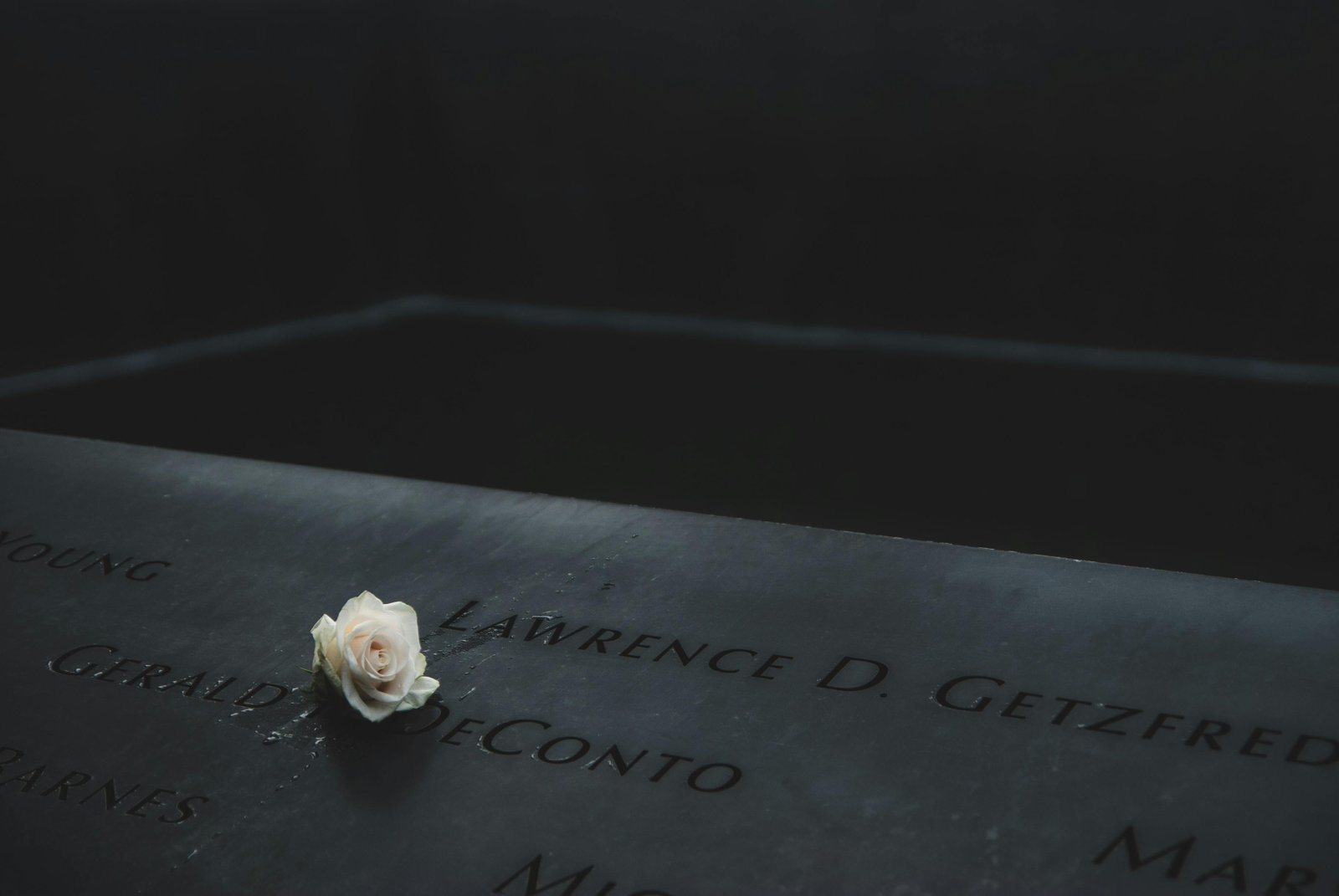
In the heart of East Africa lies Rwanda, a country with a turbulent history marked by tragedy and violence. The 1994 Rwandan Genocide, in which hundreds of thousands of Tutsis and moderate Hutus were brutally killed within a span of 100 days, was a dark chapter that shook the world and scarred the nation deeply. However, out of the wreckage of this horrific event emerged a resilient spirit and a commitment to building a future based on principles of equality and equity. One of the key lessons learned from the tragedy in Rwanda is the importance of striving for both equality and equity in society. While these terms are often used interchangeably, they hold distinct meanings that are crucial for understanding and addressing social injustices. Equality refers to the idea that everyone should have the same opportunities, rights, and access to resources without discrimination or favoritism. It is the principle of treating everyone the same regardless of their background or circumstances. In the context of Rwanda, achieving equality means upholding the rights of all citizens, regardless of ethnicity, gender, or socio-economic status. On the other hand, equity goes beyond equality by recognizing that individuals come from different starting points and may require different levels of support to reach the same goals. Equity involves actively working to level the playing field and address systemic barriers that prevent certain groups from fully participating in society. In Rwanda, promoting equity means acknowledging historical injustices and implementing policies that empower marginalized communities to thrive. Following the Rwandan Genocide, the government embarked on a transformative journey towards reconciliation, justice, and nation-building. Through initiatives such as the Gacaca courts, which aimed to promote truth-telling, healing, and accountability, Rwanda sought to address the legacy of the genocide and foster a culture of unity and forgiveness. Moreover, Rwanda has made significant strides in promoting gender equality and women's empowerment, with women occupying a high percentage of seats in parliament and playing key roles in decision-making processes. By investing in education, healthcare, and economic opportunities for all citizens, Rwanda is working towards creating a more inclusive and just society. While the road towards equality and equity is fraught with challenges and complexities, Rwanda serves as a beacon of hope and resilience in the face of adversity. By learning from the tragic past and embracing the values of justice, reconciliation, and solidarity, Rwanda is paving the way for a brighter future grounded in principles of equality and equity for all. As we reflect on Rwanda's journey, may we be inspired to take action in our own communities to dismantle barriers, challenge injustices, and create a more equitable world for future generations to thrive.
Leave a Comment:
SEARCH
Recent News
- Zurich, Switzerland is a vibrant city known for its rich cultural scene and diverse music offerings. One unique aspect of Zurich's music scene is the presence of Sudanese music, which has found a home in the city's melting pot of cultures.
- Visiting Zurich, Switzerland, can be an enriching experience for music lovers from all corners of the world. While the city may not be the first place that comes to mind when thinking about South African music, Zurich's diverse music scene offers a glimpse into the vibrant sounds of this African nation.
- Zurich, Switzerland is a vibrant city known for its stunning architecture, picturesque landscapes, and rich culture. One aspect of Zurich's cultural scene that often goes under the radar is its regional music. The city and its surrounding areas are home to a diverse range of musical styles, reflecting the multiculturalism and artistic diversity of the region.
- Top 5 Zurich Regional Movies You Must Watch
- Zurich, Switzerland, is a vibrant city known for its stunning architecture, picturesque landscapes, and thriving cultural scene. In recent years, the city has also become a hub for film production, attracting filmmakers from around the world. Interestingly, a connection has emerged between Zurich and Paraguay through the medium of film.
- Zurich, Switzerland: Discovering the Vibrant Norwegian Music Scene
- Zurich - A Hub for Hungarian Films
- Zurich, Switzerland: A Hub for Estonian Music
READ MORE
8 months ago Category :

Zurich, Switzerland is a vibrant city known for its rich cultural scene and diverse music offerings. One unique aspect of Zurich's music scene is the presence of Sudanese music, which has found a home in the city's melting pot of cultures.
Read More →8 months ago Category :

Visiting Zurich, Switzerland, can be an enriching experience for music lovers from all corners of the world. While the city may not be the first place that comes to mind when thinking about South African music, Zurich's diverse music scene offers a glimpse into the vibrant sounds of this African nation.
Read More →8 months ago Category :

Zurich, Switzerland is a vibrant city known for its stunning architecture, picturesque landscapes, and rich culture. One aspect of Zurich's cultural scene that often goes under the radar is its regional music. The city and its surrounding areas are home to a diverse range of musical styles, reflecting the multiculturalism and artistic diversity of the region.
Read More →8 months ago Category :
