Tragedy and Hope: Understanding the Conflicts in Rwanda's History
Category : | Sub Category : Posted on 2024-10-05 22:25:23
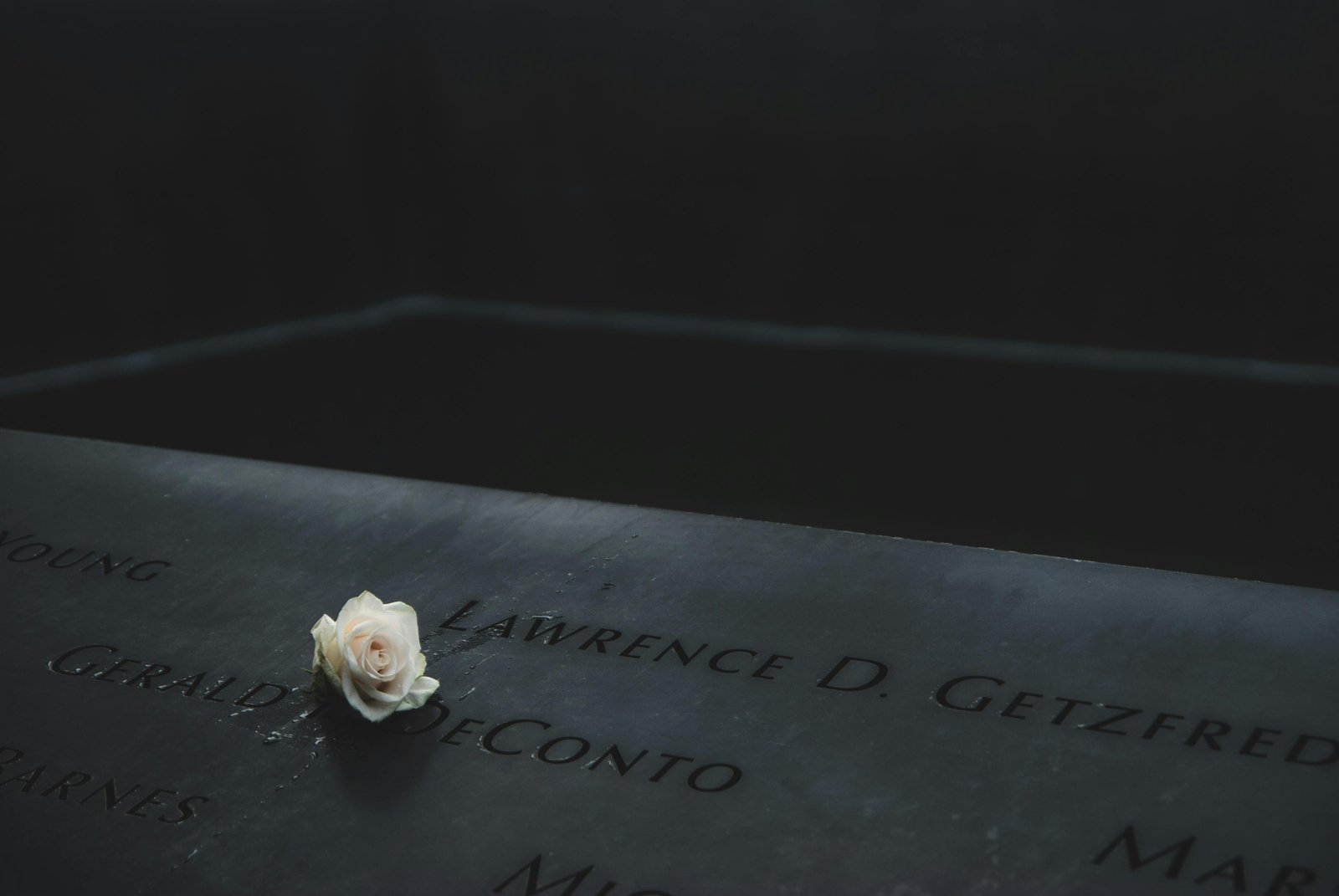
Located in the heart of Africa, Rwanda is a small, landlocked country that has been marred by tragic conflicts throughout its history. The most infamous of these conflicts is the Rwandan genocide of 1994, where an estimated 800,000 people, mostly Tutsis, were brutally killed in just 100 days. This dark chapter in Rwanda's history serves as a stark reminder of the consequences of ethnic hatred and deep-rooted divisions within society. The roots of the conflict in Rwanda can be traced back to the colonial era when Belgium took control of the region in the early 20th century. The Belgians favored the Tutsi ethnic group over the Hutus, creating a system of ethnic hierarchy that would sow the seeds of discord for years to come. When Rwanda gained independence in 1962, the Hutus, who had long been oppressed, took power and the tables turned, leading to cycles of violence and retaliation between the two groups. The tensions between the Hutus and Tutsis came to a head in 1994 when the assassination of the Rwandan president, a Hutu, sparked widespread violence and the systematic targeting of Tutsis by extremist Hutu militias. The international community stood by as the genocide unfolded, failing to intervene and prevent the loss of so many innocent lives. In the aftermath of the genocide, Rwanda faced the monumental task of rebuilding a shattered society. The government, now led by the Rwandan Patriotic Front (RPF), has made strides in promoting reconciliation and unity among the different ethnic groups. The country has also experienced impressive economic growth and development, earning it the nickname "the Singapore of Africa." However, the scars of the past still run deep in Rwanda, with many survivors and perpetrators still living side by side in communities across the country. The process of healing and reconciliation is ongoing, and efforts to address the underlying issues that led to the genocide continue. It is crucial for us to remember the tragic events of Rwanda's history and learn from them so that such atrocities are never repeated. By understanding the complexities of the conflicts in Rwanda and working towards a future of peace and unity, we can honor the memory of those who lost their lives and strive to build a better world for future generations.
Leave a Comment:
SEARCH
Recent News
- Zurich, Switzerland is a vibrant city known for its rich cultural scene and diverse music offerings. One unique aspect of Zurich's music scene is the presence of Sudanese music, which has found a home in the city's melting pot of cultures.
- Visiting Zurich, Switzerland, can be an enriching experience for music lovers from all corners of the world. While the city may not be the first place that comes to mind when thinking about South African music, Zurich's diverse music scene offers a glimpse into the vibrant sounds of this African nation.
- Zurich, Switzerland is a vibrant city known for its stunning architecture, picturesque landscapes, and rich culture. One aspect of Zurich's cultural scene that often goes under the radar is its regional music. The city and its surrounding areas are home to a diverse range of musical styles, reflecting the multiculturalism and artistic diversity of the region.
- Top 5 Zurich Regional Movies You Must Watch
- Zurich, Switzerland, is a vibrant city known for its stunning architecture, picturesque landscapes, and thriving cultural scene. In recent years, the city has also become a hub for film production, attracting filmmakers from around the world. Interestingly, a connection has emerged between Zurich and Paraguay through the medium of film.
- Zurich, Switzerland: Discovering the Vibrant Norwegian Music Scene
- Zurich - A Hub for Hungarian Films
- Zurich, Switzerland: A Hub for Estonian Music
READ MORE
8 months ago Category :

Zurich, Switzerland is a vibrant city known for its rich cultural scene and diverse music offerings. One unique aspect of Zurich's music scene is the presence of Sudanese music, which has found a home in the city's melting pot of cultures.
Read More →8 months ago Category :

Visiting Zurich, Switzerland, can be an enriching experience for music lovers from all corners of the world. While the city may not be the first place that comes to mind when thinking about South African music, Zurich's diverse music scene offers a glimpse into the vibrant sounds of this African nation.
Read More →8 months ago Category :

Zurich, Switzerland is a vibrant city known for its stunning architecture, picturesque landscapes, and rich culture. One aspect of Zurich's cultural scene that often goes under the radar is its regional music. The city and its surrounding areas are home to a diverse range of musical styles, reflecting the multiculturalism and artistic diversity of the region.
Read More →8 months ago Category :
