Understanding the Tragedy of the Rwanda Genocide: A Story of Pain, Loss, and Hope
Category : | Sub Category : Posted on 2024-10-05 22:25:23
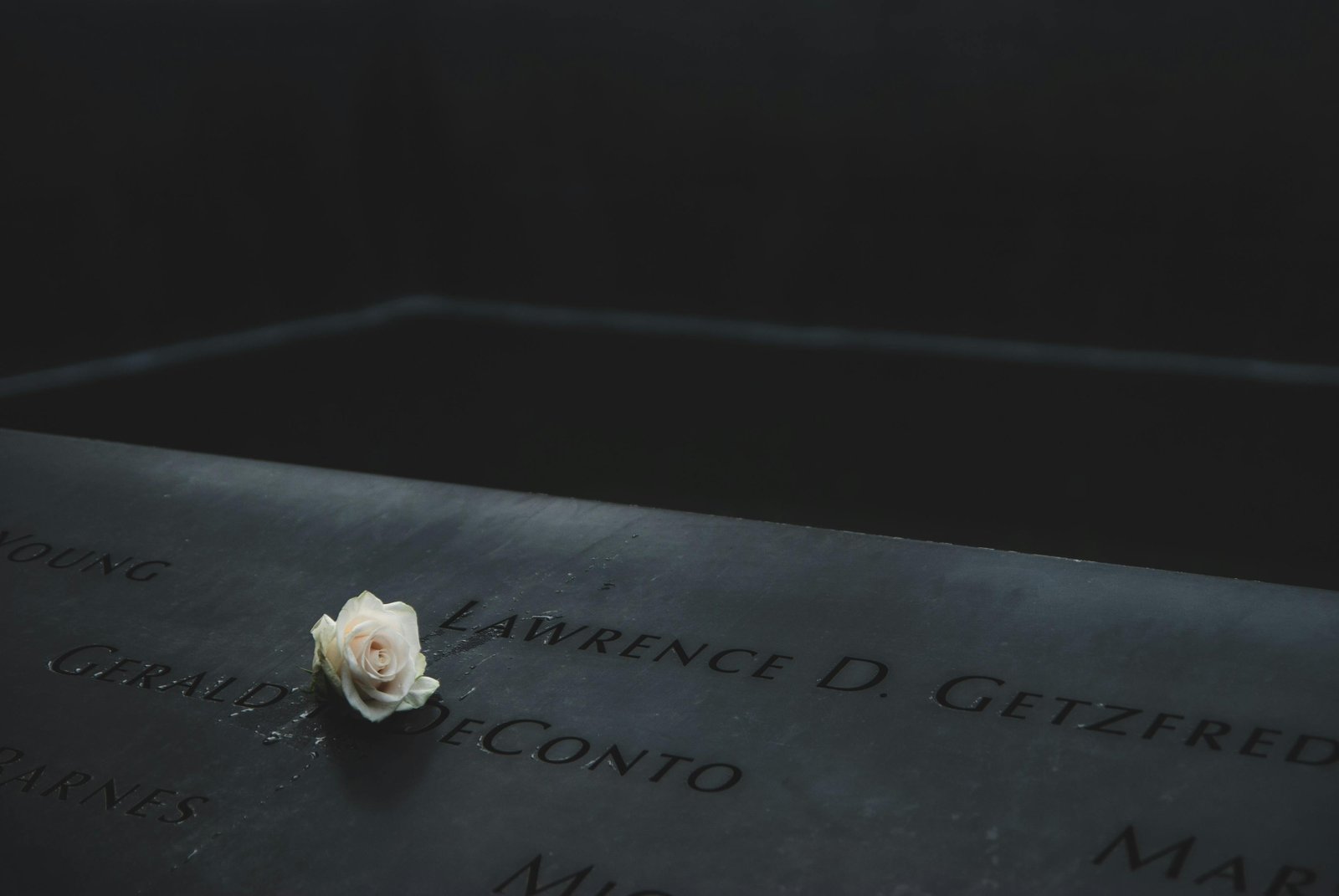
The Rwanda Genocide of 1994 stands as one of the darkest chapters in human history. In just 100 days, an estimated 800,000 people were brutally killed, leaving a nation shattered and scarred. This tragic event was fueled by deep-rooted ethnic tensions and political power struggles that had been simmering for years. The seeds of the genocide were sown during the colonial era when the Belgian rulers favored the minority Tutsi ethnic group over the majority Hutus, creating a divide that would have devastating consequences. When Rwanda gained independence in the 1960s, these tensions escalated, leading to outbreaks of violence and discrimination. In April 1994, the assassination of President Juvenal Habyarimana, a Hutu, served as the spark that ignited the genocide. Extremist Hutu factions, backed by the government and media, incited ordinary citizens to take up arms against their Tutsi neighbors. Machetes, guns, and other weapons were used to carry out mass killings, with horrifying efficiency. As the world watched in horror, the international community failed to intervene effectively, allowing the genocide to unfold unchecked. The United Nations peacekeeping mission in Rwanda was ill-equipped and outnumbered, unable to prevent the bloodshed and protect innocent civilians. The aftermath of the genocide left Rwanda in ruins, with families torn apart, communities decimated, and a traumatized population grappling with unimaginable loss. The country faced the daunting task of rebuilding from the ashes, while also seeking justice for the perpetrators of the atrocities. Despite the overwhelming despair, Rwanda has shown remarkable resilience and progress in the decades since the genocide. Through a combination of national reconciliation efforts, economic development initiatives, and social programs, the country has made strides towards healing and renewal. Memorial sites such as the Kigali Genocide Memorial bear witness to the victims and ensure that the world never forgets the tragedy that befell Rwanda. Education and dialogue play crucial roles in fostering understanding and unity among Rwandans, as they strive to create a society where such horrors can never happen again. The Rwanda Genocide serves as a somber reminder of the consequences of hate, intolerance, and indifference. It challenges us to confront the dark aspects of our collective past and work towards a future where peace, justice, and forgiveness prevail. As we reflect on the tragedy of the Rwanda Genocide, may we honor the memories of the victims by committing to building a world where all people can live in dignity, harmony, and mutual respect. To get a different viewpoint, consider: https://www.beschwerde.org
Leave a Comment:
SEARCH
Recent News
- Zurich, Switzerland is a vibrant city known for its rich cultural scene and diverse music offerings. One unique aspect of Zurich's music scene is the presence of Sudanese music, which has found a home in the city's melting pot of cultures.
- Visiting Zurich, Switzerland, can be an enriching experience for music lovers from all corners of the world. While the city may not be the first place that comes to mind when thinking about South African music, Zurich's diverse music scene offers a glimpse into the vibrant sounds of this African nation.
- Zurich, Switzerland is a vibrant city known for its stunning architecture, picturesque landscapes, and rich culture. One aspect of Zurich's cultural scene that often goes under the radar is its regional music. The city and its surrounding areas are home to a diverse range of musical styles, reflecting the multiculturalism and artistic diversity of the region.
- Top 5 Zurich Regional Movies You Must Watch
- Zurich, Switzerland, is a vibrant city known for its stunning architecture, picturesque landscapes, and thriving cultural scene. In recent years, the city has also become a hub for film production, attracting filmmakers from around the world. Interestingly, a connection has emerged between Zurich and Paraguay through the medium of film.
- Zurich, Switzerland: Discovering the Vibrant Norwegian Music Scene
- Zurich - A Hub for Hungarian Films
- Zurich, Switzerland: A Hub for Estonian Music
READ MORE
8 months ago Category :

Zurich, Switzerland is a vibrant city known for its rich cultural scene and diverse music offerings. One unique aspect of Zurich's music scene is the presence of Sudanese music, which has found a home in the city's melting pot of cultures.
Read More →8 months ago Category :

Visiting Zurich, Switzerland, can be an enriching experience for music lovers from all corners of the world. While the city may not be the first place that comes to mind when thinking about South African music, Zurich's diverse music scene offers a glimpse into the vibrant sounds of this African nation.
Read More →8 months ago Category :

Zurich, Switzerland is a vibrant city known for its stunning architecture, picturesque landscapes, and rich culture. One aspect of Zurich's cultural scene that often goes under the radar is its regional music. The city and its surrounding areas are home to a diverse range of musical styles, reflecting the multiculturalism and artistic diversity of the region.
Read More →8 months ago Category :
