Exploring the Role of Responsibility in Tragedy in Literature
Category : | Sub Category : Posted on 2024-10-05 22:25:23
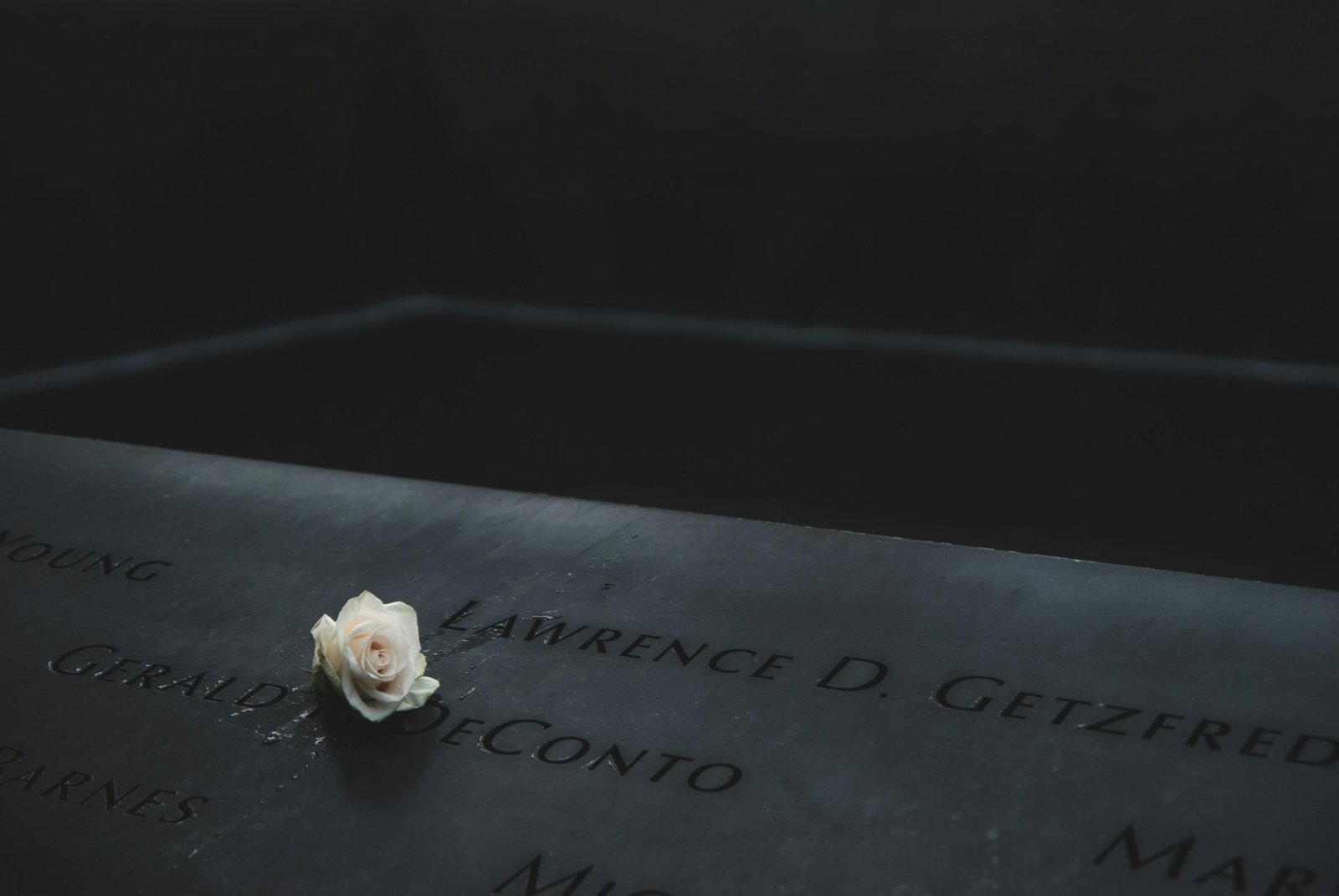
Tragedy is a genre in literature that often delves into the themes of fate, human suffering, and the consequences of our actions. One recurring theme that is central to many tragic stories is the concept of responsibility. Characters in these works must grapple with their own sense of responsibility, whether it be towards themselves, their loved ones, or society as a whole. In this blog post, we will explore how the theme of responsibility is portrayed in tragic books and how it contributes to the overall narrative. One classic example of a tragic story that deals with the theme of responsibility is William Shakespeare's play "Macbeth." In this play, the titular character Macbeth is driven by his ambition and desire for power, leading him to commit heinous acts in order to fulfill his prophecies of becoming king. However, as the story unfolds, Macbeth is haunted by his guilt and the consequences of his actions. The play ultimately serves as a cautionary tale about the destructive nature of unchecked ambition and the responsibility that comes with power. Another poignant example of a tragic narrative that explores the theme of responsibility is Fyodor Dostoevsky's novel "Crime and Punishment." The protagonist, Raskolnikov, grapples with his sense of responsibility after committing a murder in an attempt to prove his own superiority and test his theory of the "extraordinary man." Throughout the novel, Raskolnikov wrestles with his guilt and ultimately comes to understand the weight of his actions, highlighting the moral and ethical responsibilities that come with our choices. In addition to these classic works, modern literature also grapples with the theme of responsibility in tragic tales. For example, in Khaled Hosseini's novel "The Kite Runner," the protagonist, Amir, must come to terms with his actions that have lasting consequences for himself and those around him. The story explores themes of redemption and atonement, emphasizing the importance of taking responsibility for past mistakes in order to move forward. Overall, the theme of responsibility in tragic literature serves as a powerful tool for exploring the complexities of human nature and the moral dilemmas that individuals face. Through these stories, readers are prompted to reflect on their own sense of responsibility and the impact of their choices on themselves and others. Tragic books offer a compelling lens through which we can examine the consequences of our actions and the importance of facing up to our responsibilities in the face of adversity. Explore this subject in detail with https://www.discutir.org
Leave a Comment:
SEARCH
Recent News
- Zurich, Switzerland is a vibrant city known for its rich cultural scene and diverse music offerings. One unique aspect of Zurich's music scene is the presence of Sudanese music, which has found a home in the city's melting pot of cultures.
- Visiting Zurich, Switzerland, can be an enriching experience for music lovers from all corners of the world. While the city may not be the first place that comes to mind when thinking about South African music, Zurich's diverse music scene offers a glimpse into the vibrant sounds of this African nation.
- Zurich, Switzerland is a vibrant city known for its stunning architecture, picturesque landscapes, and rich culture. One aspect of Zurich's cultural scene that often goes under the radar is its regional music. The city and its surrounding areas are home to a diverse range of musical styles, reflecting the multiculturalism and artistic diversity of the region.
- Top 5 Zurich Regional Movies You Must Watch
- Zurich, Switzerland, is a vibrant city known for its stunning architecture, picturesque landscapes, and thriving cultural scene. In recent years, the city has also become a hub for film production, attracting filmmakers from around the world. Interestingly, a connection has emerged between Zurich and Paraguay through the medium of film.
- Zurich, Switzerland: Discovering the Vibrant Norwegian Music Scene
- Zurich - A Hub for Hungarian Films
- Zurich, Switzerland: A Hub for Estonian Music
READ MORE
8 months ago Category :

Zurich, Switzerland is a vibrant city known for its rich cultural scene and diverse music offerings. One unique aspect of Zurich's music scene is the presence of Sudanese music, which has found a home in the city's melting pot of cultures.
Read More →8 months ago Category :

Visiting Zurich, Switzerland, can be an enriching experience for music lovers from all corners of the world. While the city may not be the first place that comes to mind when thinking about South African music, Zurich's diverse music scene offers a glimpse into the vibrant sounds of this African nation.
Read More →8 months ago Category :

Zurich, Switzerland is a vibrant city known for its stunning architecture, picturesque landscapes, and rich culture. One aspect of Zurich's cultural scene that often goes under the radar is its regional music. The city and its surrounding areas are home to a diverse range of musical styles, reflecting the multiculturalism and artistic diversity of the region.
Read More →8 months ago Category :
