The Tragedy of Politics in Rwanda: Learning from the Past to Shape a Better Future
Category : | Sub Category : Posted on 2024-10-05 22:25:23
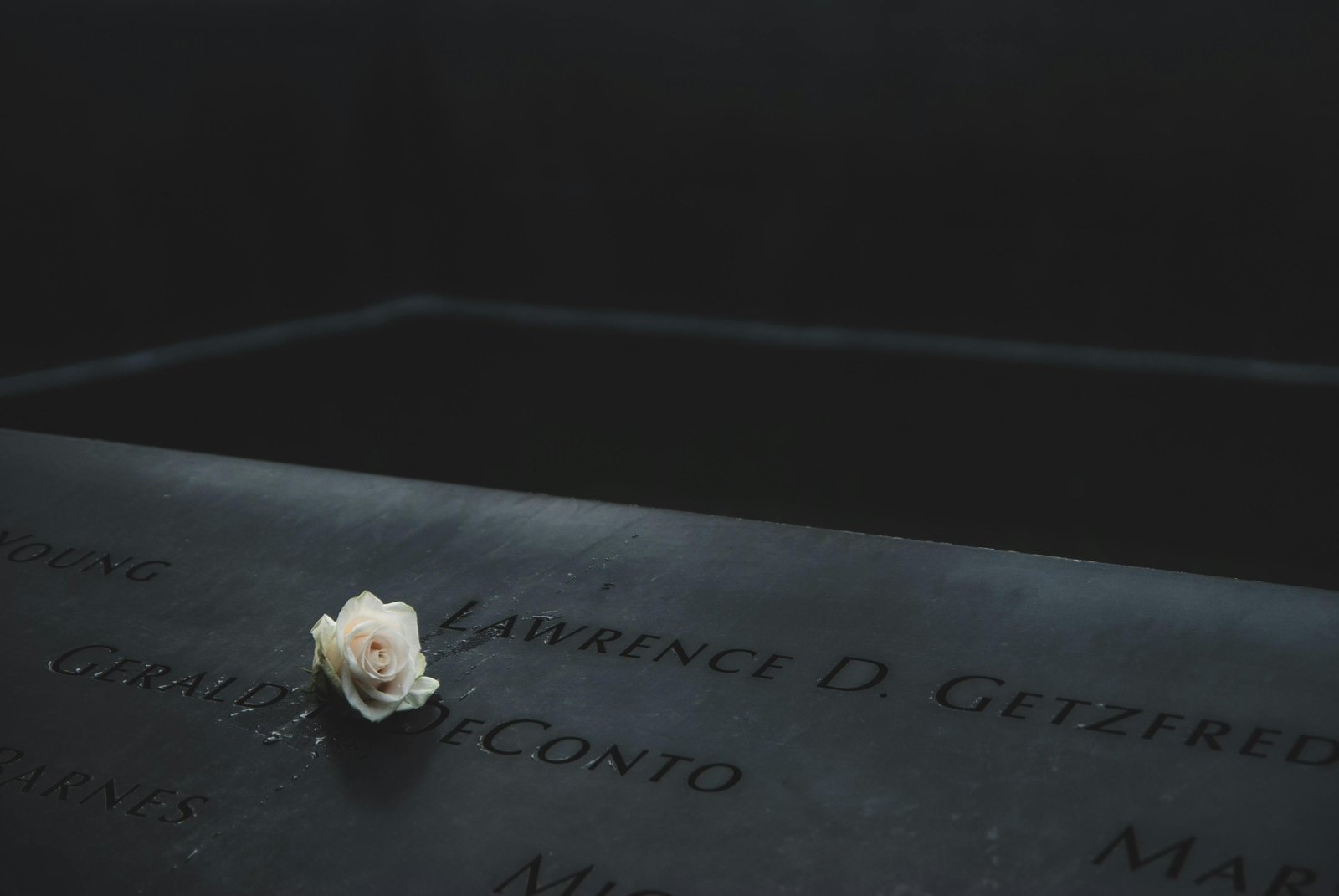
In the history of Rwanda, politics has played a pivotal role in shaping the tragic events that have unfolded in the country. The deeply-rooted conflict between ethnic groups, particularly the Hutus and Tutsis, culminated in the devastating genocide of 1994, where an estimated 800,000 people lost their lives in a span of just 100 days. This dark chapter in Rwandan history serves as a poignant reminder of the catastrophic consequences of divisive politics and the importance of promoting unity and reconciliation. The seeds of the Rwandan tragedy were sown by colonial powers that exploited ethnic differences to maintain control over the region. The legacy of this divide-and-rule strategy lingered on even after Rwanda gained independence, ultimately leading to the escalation of tensions between Hutus and Tutsis. political manipulation, propaganda, and marginalization further fueled animosity between the two groups, paving the way for the atrocities that ensued. The failure of Rwandan political leaders to promote inclusivity, tolerance, and respect for human rights exacerbated the already volatile situation in the country. Instead of fostering unity and national cohesion, politicians exploited ethnic identities for their own gain, perpetuating a cycle of violence and division. The international community's inaction and indifference towards the warning signs of looming catastrophe only served to embolden the perpetrators of violence. In the aftermath of the genocide, Rwanda embarked on a remarkable journey of healing and reconciliation under the leadership of President Paul Kagame. The government's efforts to promote unity and reconciliation, establish mechanisms for transitional justice, and foster economic development have been commendable. Through initiatives such as the Gacaca courts, which focused on community-based justice and reconciliation, Rwanda has made significant strides towards healing the wounds of the past. The tragedy of politics in Rwanda serves as a stark reminder of the destructive power of divisive politics and the urgent need for genuine leadership that prioritizes peace, justice, and unity. As Rwanda continues to rebuild and move forward, it is crucial for political leaders to uphold the values of inclusivity, accountability, and respect for human rights. By learning from the mistakes of the past and fostering a culture of tolerance and reconciliation, Rwanda can pave the way for a brighter and more peaceful future for generations to come. In conclusion, the tragedy of politics in Rwanda stands as a somber testament to the devastating consequences of divisive politics and the importance of promoting unity, reconciliation, and justice. As we reflect on the past, let us strive to create a future where politics serves as a force for good, bringing people together rather than tearing them apart. Only through collective efforts and a steadfast commitment to peace and harmony can we ensure that the horrors of the past are never repeated. To understand this better, read https://www.topico.net Looking for more information? Check out https://www.enemigo.org
Leave a Comment:
SEARCH
Recent News
- Zurich, Switzerland is a vibrant city known for its rich cultural scene and diverse music offerings. One unique aspect of Zurich's music scene is the presence of Sudanese music, which has found a home in the city's melting pot of cultures.
- Visiting Zurich, Switzerland, can be an enriching experience for music lovers from all corners of the world. While the city may not be the first place that comes to mind when thinking about South African music, Zurich's diverse music scene offers a glimpse into the vibrant sounds of this African nation.
- Zurich, Switzerland is a vibrant city known for its stunning architecture, picturesque landscapes, and rich culture. One aspect of Zurich's cultural scene that often goes under the radar is its regional music. The city and its surrounding areas are home to a diverse range of musical styles, reflecting the multiculturalism and artistic diversity of the region.
- Top 5 Zurich Regional Movies You Must Watch
- Zurich, Switzerland, is a vibrant city known for its stunning architecture, picturesque landscapes, and thriving cultural scene. In recent years, the city has also become a hub for film production, attracting filmmakers from around the world. Interestingly, a connection has emerged between Zurich and Paraguay through the medium of film.
- Zurich, Switzerland: Discovering the Vibrant Norwegian Music Scene
- Zurich - A Hub for Hungarian Films
- Zurich, Switzerland: A Hub for Estonian Music
READ MORE
8 months ago Category :

Zurich, Switzerland is a vibrant city known for its rich cultural scene and diverse music offerings. One unique aspect of Zurich's music scene is the presence of Sudanese music, which has found a home in the city's melting pot of cultures.
Read More →8 months ago Category :

Visiting Zurich, Switzerland, can be an enriching experience for music lovers from all corners of the world. While the city may not be the first place that comes to mind when thinking about South African music, Zurich's diverse music scene offers a glimpse into the vibrant sounds of this African nation.
Read More →8 months ago Category :

Zurich, Switzerland is a vibrant city known for its stunning architecture, picturesque landscapes, and rich culture. One aspect of Zurich's cultural scene that often goes under the radar is its regional music. The city and its surrounding areas are home to a diverse range of musical styles, reflecting the multiculturalism and artistic diversity of the region.
Read More →8 months ago Category :
