Unraveling Tragedy and Controversies in the Congo: A Complex Narrative
Category : | Sub Category : Posted on 2024-10-05 22:25:23
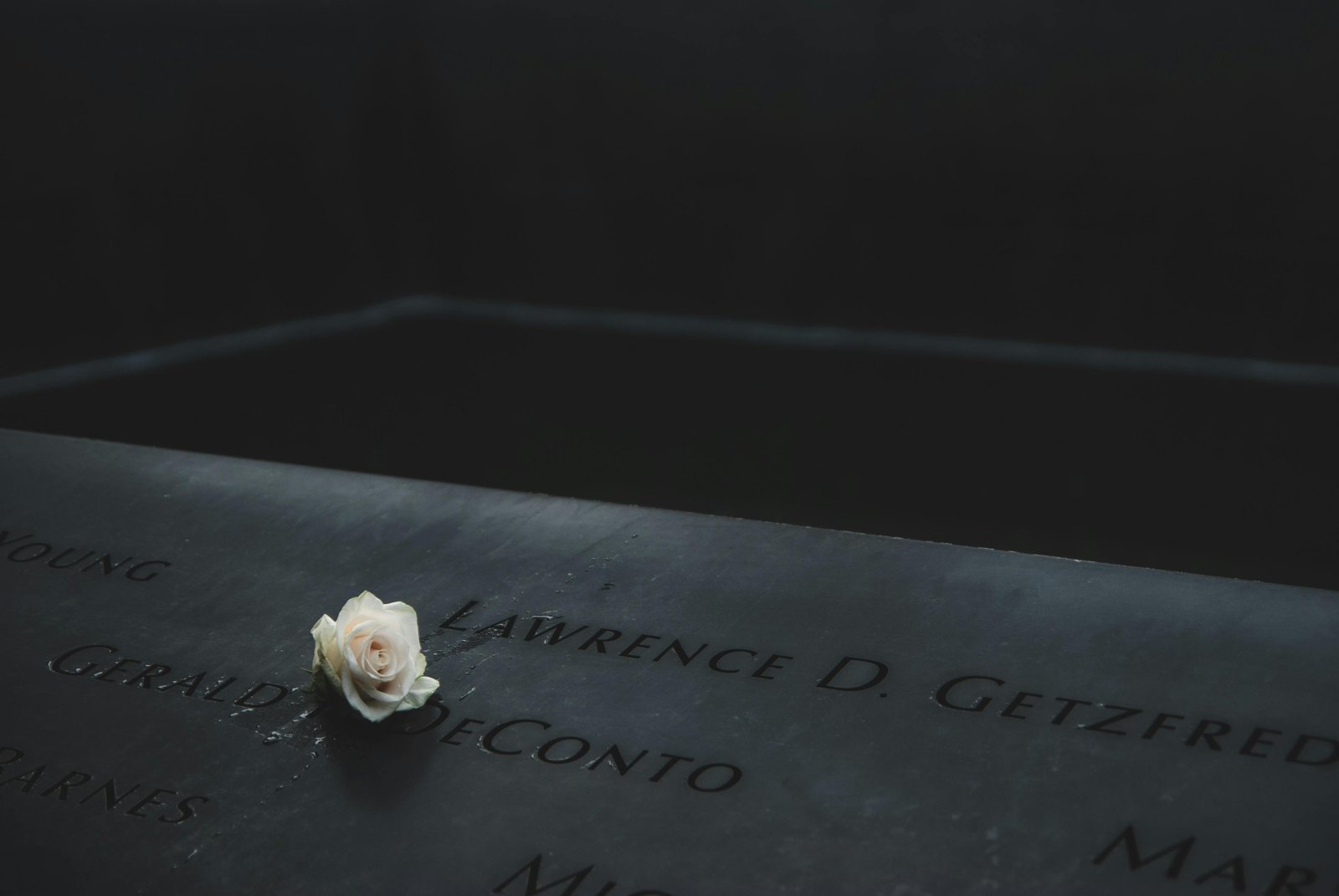
The Democratic Republic of the Congo, often referred to as Congo, has been marred by tragedy and controversies that have plagued the nation for decades. Situated in the heart of Africa, this vast and resource-rich country has a complex history shaped by colonization, dictatorship, civil wars, and external interventions. Understanding the multifaceted issues facing the Congo requires delving into its historical, political, social, and economic dynamics. One of the key tragedies in the Congo is the long history of conflict and violence that has afflicted the nation. The legacy of Belgian colonial rule, followed by the authoritarian regime of Mobutu Sese Seko, set the stage for decades of instability and bloodshed. The First and Second Congo Wars, which ravaged the country in the late 20th century, resulted in millions of deaths and the displacement of countless civilians. The ongoing conflict in the eastern regions of the country, driven by ethnic rivalries, resource exploitation, and the presence of armed groups, continues to perpetuate human suffering and humanitarian crises. Another tragic aspect of the Congo's story is the systematic exploitation and plundering of its natural resources. The country is incredibly rich in minerals such as coltan, cobalt, and gold, which are essential components in electronic devices and luxury goods. However, the extraction and trade of these resources have often fueled conflict, corruption, and human rights abuses. The phenomenon known as "resource curse" has further entrenched poverty, inequality, and environmental degradation in the Congo, despite its vast wealth beneath the ground. Controversies surrounding the Congo also extend to the realm of international relations and geopolitics. Various foreign actors, including neighboring countries, multinational corporations, and international organizations, have played significant roles in shaping the country's trajectory. The pursuit of geopolitical interests, strategic alliances, and economic gains has sometimes come at the expense of the Congolese people's well-being and sovereignty. Allegations of foreign interference, neocolonialism, and exploitation have further complicated the country's quest for peace, stability, and development. In conclusion, the tragedy and controversies that characterize the Congo's narrative are a stark reminder of the challenges facing the African continent and the broader global community. Addressing the root causes of conflict, exploitation, and underdevelopment in the Congo requires a comprehensive and nuanced approach that involves local stakeholders, regional partners, and international actors. By promoting good governance, respect for human rights, sustainable resource management, and conflict resolution, the Congo can aspire to a brighter future for its people and the generations to come.
Leave a Comment:
SEARCH
Recent News
- Zurich, Switzerland is a vibrant city known for its rich cultural scene and diverse music offerings. One unique aspect of Zurich's music scene is the presence of Sudanese music, which has found a home in the city's melting pot of cultures.
- Visiting Zurich, Switzerland, can be an enriching experience for music lovers from all corners of the world. While the city may not be the first place that comes to mind when thinking about South African music, Zurich's diverse music scene offers a glimpse into the vibrant sounds of this African nation.
- Zurich, Switzerland is a vibrant city known for its stunning architecture, picturesque landscapes, and rich culture. One aspect of Zurich's cultural scene that often goes under the radar is its regional music. The city and its surrounding areas are home to a diverse range of musical styles, reflecting the multiculturalism and artistic diversity of the region.
- Top 5 Zurich Regional Movies You Must Watch
- Zurich, Switzerland, is a vibrant city known for its stunning architecture, picturesque landscapes, and thriving cultural scene. In recent years, the city has also become a hub for film production, attracting filmmakers from around the world. Interestingly, a connection has emerged between Zurich and Paraguay through the medium of film.
- Zurich, Switzerland: Discovering the Vibrant Norwegian Music Scene
- Zurich - A Hub for Hungarian Films
- Zurich, Switzerland: A Hub for Estonian Music
READ MORE
8 months ago Category :

Zurich, Switzerland is a vibrant city known for its rich cultural scene and diverse music offerings. One unique aspect of Zurich's music scene is the presence of Sudanese music, which has found a home in the city's melting pot of cultures.
Read More →8 months ago Category :

Visiting Zurich, Switzerland, can be an enriching experience for music lovers from all corners of the world. While the city may not be the first place that comes to mind when thinking about South African music, Zurich's diverse music scene offers a glimpse into the vibrant sounds of this African nation.
Read More →8 months ago Category :

Zurich, Switzerland is a vibrant city known for its stunning architecture, picturesque landscapes, and rich culture. One aspect of Zurich's cultural scene that often goes under the radar is its regional music. The city and its surrounding areas are home to a diverse range of musical styles, reflecting the multiculturalism and artistic diversity of the region.
Read More →8 months ago Category :
