Navigating Perspectives and Controversies in Tragedy Architecture
Category : | Sub Category : Posted on 2024-10-05 22:25:23
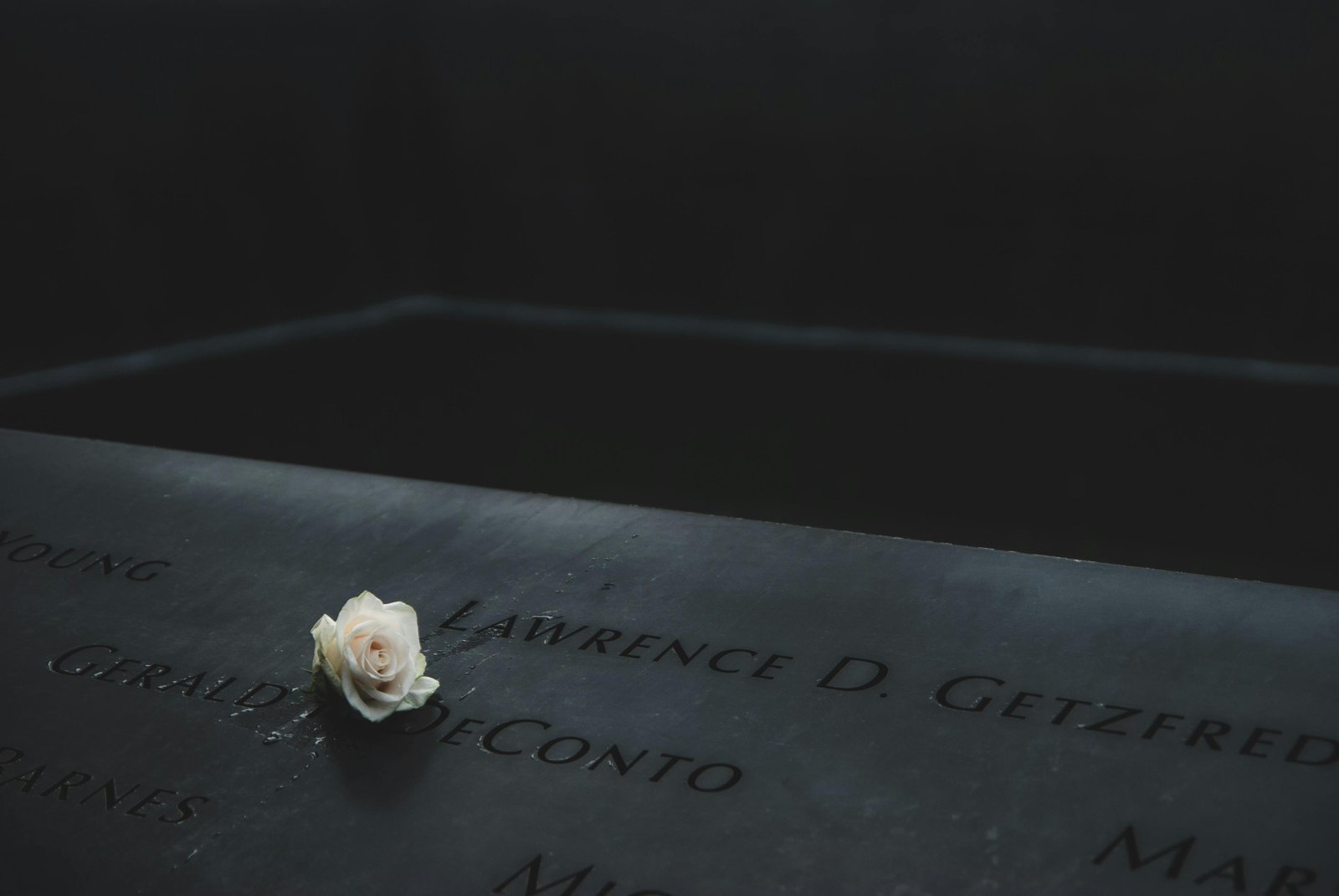
architecture has always been a powerful medium for reflecting and commemorating significant historical events, including tragedies. Tragedy architecture serves as a physical representation of collective grief, remembrance, and resilience in the face of adversity. However, navigating the perspectives and controversies surrounding such architectural endeavors can be a complex and emotional journey. One of the most iconic examples of tragedy architecture is the 9/11 Memorial and Museum in New York City. Designed to honor the victims of the September 11 terrorist attacks, the memorial features reflecting pools set within the footprints of the Twin Towers, while the museum houses artifacts, testimonials, and interactive exhibits that chronicle the events of that fateful day. The design and construction of the memorial sparked intense debates and discussions, with some critics questioning the appropriateness of turning a site of immense tragedy into a tourist attraction. Similarly, the Holocaust Memorial in Berlin has been a source of both admiration and controversy. The memorial consists of a field of 2,711 concrete slabs of varying heights, evoking a sense of disorientation and unease. While many view the memorial as a powerful tribute to the six million Jewish victims of the Holocaust, others argue that the abstract nature of the design fails to effectively convey the magnitude of the tragedy. Controversies surrounding tragedy architecture often revolve around questions of representation, interpretation, and memory. How can architects and designers capture the essence of a tragedy without sensationalizing or romanticizing it? How should the stories of survivors and victims be integrated into the architectural narrative? These are challenging ethical and artistic considerations that require sensitivity and thoughtfulness. Despite the controversies, tragedy architecture plays a crucial role in shaping our collective memory and understanding of historical events. By visiting these memorials and museums, we are invited to reflect on the past, pay tribute to the lives lost, and reaffirm our commitment to never forget. Tragedy architecture serves as a physical manifestation of our shared humanity, reminding us of the enduring power of resilience, hope, and solidarity. In conclusion, perspectives and controversies are inherent aspects of tragedy architecture, reflecting the diverse ways in which we remember, commemorate, and make sense of profound collective traumas. By engaging with these architectural landmarks with an open mind and empathetic heart, we can honor the past, learn from it, and strive towards a more peaceful and compassionate future.
Leave a Comment:
SEARCH
Recent News
- Zurich, Switzerland is a vibrant city known for its rich cultural scene and diverse music offerings. One unique aspect of Zurich's music scene is the presence of Sudanese music, which has found a home in the city's melting pot of cultures.
- Visiting Zurich, Switzerland, can be an enriching experience for music lovers from all corners of the world. While the city may not be the first place that comes to mind when thinking about South African music, Zurich's diverse music scene offers a glimpse into the vibrant sounds of this African nation.
- Zurich, Switzerland is a vibrant city known for its stunning architecture, picturesque landscapes, and rich culture. One aspect of Zurich's cultural scene that often goes under the radar is its regional music. The city and its surrounding areas are home to a diverse range of musical styles, reflecting the multiculturalism and artistic diversity of the region.
- Top 5 Zurich Regional Movies You Must Watch
- Zurich, Switzerland, is a vibrant city known for its stunning architecture, picturesque landscapes, and thriving cultural scene. In recent years, the city has also become a hub for film production, attracting filmmakers from around the world. Interestingly, a connection has emerged between Zurich and Paraguay through the medium of film.
- Zurich, Switzerland: Discovering the Vibrant Norwegian Music Scene
- Zurich - A Hub for Hungarian Films
- Zurich, Switzerland: A Hub for Estonian Music
READ MORE
8 months ago Category :

Zurich, Switzerland is a vibrant city known for its rich cultural scene and diverse music offerings. One unique aspect of Zurich's music scene is the presence of Sudanese music, which has found a home in the city's melting pot of cultures.
Read More →8 months ago Category :

Visiting Zurich, Switzerland, can be an enriching experience for music lovers from all corners of the world. While the city may not be the first place that comes to mind when thinking about South African music, Zurich's diverse music scene offers a glimpse into the vibrant sounds of this African nation.
Read More →8 months ago Category :

Zurich, Switzerland is a vibrant city known for its stunning architecture, picturesque landscapes, and rich culture. One aspect of Zurich's cultural scene that often goes under the radar is its regional music. The city and its surrounding areas are home to a diverse range of musical styles, reflecting the multiculturalism and artistic diversity of the region.
Read More →8 months ago Category :
