Exploring Perspectives and Controversies Surrounding Indonesia's Tragedies
Category : | Sub Category : Posted on 2024-10-05 22:25:23
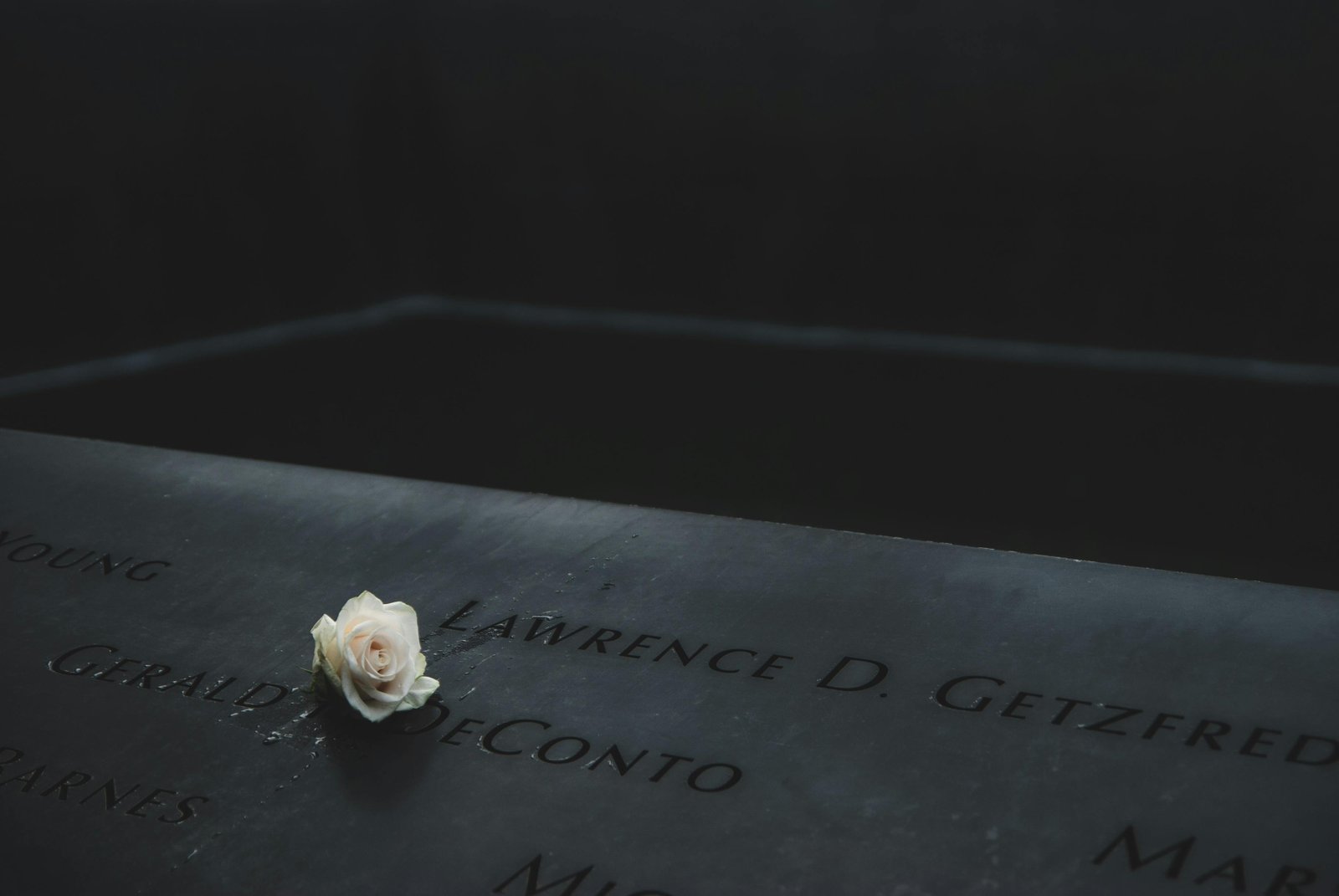
Introduction: Indonesia, a vibrant and diverse nation, has unfortunately been marked by various tragedies throughout its history. These events have sparked debates, controversies, and multiple perspectives that shed light on the complexities of the Indonesian society and the challenges it faces. In this blog post, we will delve into some of the key tragedies in Indonesia and examine the different viewpoints and controversies surrounding them. 1. The 2004 Indian Ocean Tsunami: One of the most devastating natural disasters in history, the 2004 Indian Ocean Tsunami struck Indonesia, claiming the lives of over 130,000 people and causing widespread destruction. While the international community rallied to provide aid and support, there were controversies regarding the government's response and preparedness for such a disaster. Some criticized the slow and inadequate assistance provided to the affected communities, leading to a debate on disaster management practices in Indonesia. 2. Political Turmoil and Violence: Indonesia has also faced political turmoil and violence, most notably during the fall of President Suharto in 1998 and the subsequent period of reformasi. The transition to democracy was marred by conflicts, riots, and human rights abuses, raising questions about accountability, justice, and the role of the military in Indonesian society. Different perspectives exist on the legacy of these events, with some arguing for reconciliation and others calling for further investigation and prosecution of perpetrators. 3. Natural Resource Exploitation and Environmental Disasters: Indonesia's rich natural resources have been both a source of economic growth and environmental degradation. The country has experienced numerous environmental disasters, such as deforestation, forest fires, and pollution, leading to ecological destruction and impacting local communities. Controversies arise regarding the management of natural resources, corporate responsibility, and the balance between development and sustainability in Indonesia. 4. Socio-economic Disparities and Poverty: Despite recent progress in poverty reduction and economic development, Indonesia continues to grapple with socio-economic disparities and widespread poverty. The uneven distribution of wealth, access to basic services, and opportunities has fueled social tensions and unrest, highlighting the need for inclusive growth and social justice. Debates surround government policies, grassroots initiatives, and international aid efforts aimed at addressing poverty and inequality in Indonesia. Conclusion: Indonesia's tragedies have revealed deep-seated issues and complexities that require nuanced understanding and collective action to address. By examining the different perspectives and controversies surrounding these events, we gain insights into the challenges facing Indonesia and the opportunities for positive change and progress. Through dialogue, advocacy, and cooperation, Indonesians and the global community can work together to build a more resilient, equitable, and sustainable future for the nation.
Leave a Comment:
SEARCH
Recent News
- Zurich, Switzerland is a vibrant city known for its rich cultural scene and diverse music offerings. One unique aspect of Zurich's music scene is the presence of Sudanese music, which has found a home in the city's melting pot of cultures.
- Visiting Zurich, Switzerland, can be an enriching experience for music lovers from all corners of the world. While the city may not be the first place that comes to mind when thinking about South African music, Zurich's diverse music scene offers a glimpse into the vibrant sounds of this African nation.
- Zurich, Switzerland is a vibrant city known for its stunning architecture, picturesque landscapes, and rich culture. One aspect of Zurich's cultural scene that often goes under the radar is its regional music. The city and its surrounding areas are home to a diverse range of musical styles, reflecting the multiculturalism and artistic diversity of the region.
- Top 5 Zurich Regional Movies You Must Watch
- Zurich, Switzerland, is a vibrant city known for its stunning architecture, picturesque landscapes, and thriving cultural scene. In recent years, the city has also become a hub for film production, attracting filmmakers from around the world. Interestingly, a connection has emerged between Zurich and Paraguay through the medium of film.
- Zurich, Switzerland: Discovering the Vibrant Norwegian Music Scene
- Zurich - A Hub for Hungarian Films
- Zurich, Switzerland: A Hub for Estonian Music
READ MORE
8 months ago Category :

Zurich, Switzerland is a vibrant city known for its rich cultural scene and diverse music offerings. One unique aspect of Zurich's music scene is the presence of Sudanese music, which has found a home in the city's melting pot of cultures.
Read More →8 months ago Category :

Visiting Zurich, Switzerland, can be an enriching experience for music lovers from all corners of the world. While the city may not be the first place that comes to mind when thinking about South African music, Zurich's diverse music scene offers a glimpse into the vibrant sounds of this African nation.
Read More →8 months ago Category :

Zurich, Switzerland is a vibrant city known for its stunning architecture, picturesque landscapes, and rich culture. One aspect of Zurich's cultural scene that often goes under the radar is its regional music. The city and its surrounding areas are home to a diverse range of musical styles, reflecting the multiculturalism and artistic diversity of the region.
Read More →8 months ago Category :
