Exploring Tragedy in Books and Documentaries: Perspectives and Controversies
Category : | Sub Category : Posted on 2024-10-05 22:25:23
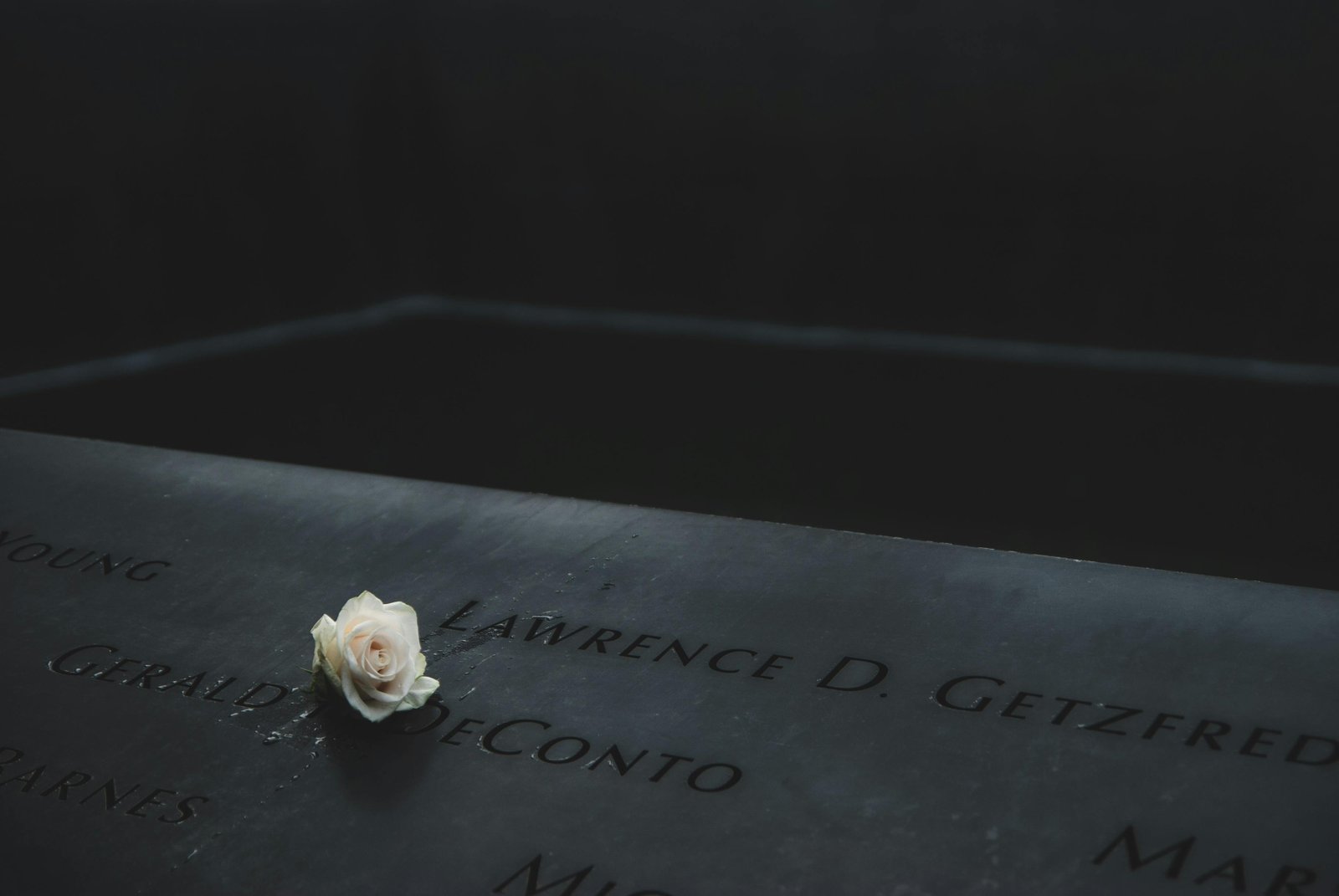
Tragedy has always been a captivating genre that explores the depths of human suffering and the resilience that emerges from adversity. Through the lens of literature and documentaries, tragedy allows us to delve into complex emotions, ethical dilemmas, and existential questions. In this blog post, we will examine different perspectives and controversies surrounding the portrayal of tragedy in books and documentaries. Books have long been a medium for authors to unravel tragic narratives that resonate with readers on a profound level. From classic works such as Shakespeare's "Hamlet" and "Romeo and Juliet" to contemporary novels like "The Kite Runner" by Khaled Hosseini and "The Fault in Our Stars" by John Green, tragedy has been a recurring motif that challenges our perceptions of loss, love, and the human condition. These books often spark debates about the portrayal of suffering, morality, and the meaning of life. On the other hand, documentaries offer a unique platform to explore real-life tragedies and bring forth stories of resilience and hope. Documentaries like "13th" directed by Ava DuVernay and "The Act of Killing" by Joshua Oppenheimer shed light on social injustices, political turmoil, and personal tragedies that have shaped our world. However, controversies arise when documentaries blur the lines between truth and manipulation, raising questions about ethical storytelling and the impact on those involved. Furthermore, the intersection of books and documentaries on tragic subjects can lead to a deeper understanding of historical events and personal experiences. For instance, reading a book like "Night" by Elie Wiesel alongside watching a documentary like "Shoah" directed by Claude Lanzmann can offer a more comprehensive perspective on the Holocaust and its lasting effects. These complementary mediums provide a nuanced view of tragedies while prompting discussions on memory, representation, and the responsibility of storytellers. In conclusion, the portrayal of tragedy in books and documentaries offers a multifaceted exploration of human suffering, resilience, and the complexities of life. While controversies may arise regarding authenticity, representation, and ethical considerations, these mediums continue to serve as powerful tools for fostering empathy, sparking conversations, and advocating for social change. As consumers of literature and visual media, we must approach tragic narratives with sensitivity, critical thinking, and a willingness to engage with uncomfortable truths. Let us continue to seek out stories of tragedy, not to dwell in despair, but to acknowledge the realities of the world, honor the resilience of the human spirit, and strive for a more compassionate and just society.
Leave a Comment:
SEARCH
Recent News
- Zurich, Switzerland is a vibrant city known for its rich cultural scene and diverse music offerings. One unique aspect of Zurich's music scene is the presence of Sudanese music, which has found a home in the city's melting pot of cultures.
- Visiting Zurich, Switzerland, can be an enriching experience for music lovers from all corners of the world. While the city may not be the first place that comes to mind when thinking about South African music, Zurich's diverse music scene offers a glimpse into the vibrant sounds of this African nation.
- Zurich, Switzerland is a vibrant city known for its stunning architecture, picturesque landscapes, and rich culture. One aspect of Zurich's cultural scene that often goes under the radar is its regional music. The city and its surrounding areas are home to a diverse range of musical styles, reflecting the multiculturalism and artistic diversity of the region.
- Top 5 Zurich Regional Movies You Must Watch
- Zurich, Switzerland, is a vibrant city known for its stunning architecture, picturesque landscapes, and thriving cultural scene. In recent years, the city has also become a hub for film production, attracting filmmakers from around the world. Interestingly, a connection has emerged between Zurich and Paraguay through the medium of film.
- Zurich, Switzerland: Discovering the Vibrant Norwegian Music Scene
- Zurich - A Hub for Hungarian Films
- Zurich, Switzerland: A Hub for Estonian Music
READ MORE
8 months ago Category :

Zurich, Switzerland is a vibrant city known for its rich cultural scene and diverse music offerings. One unique aspect of Zurich's music scene is the presence of Sudanese music, which has found a home in the city's melting pot of cultures.
Read More →8 months ago Category :

Visiting Zurich, Switzerland, can be an enriching experience for music lovers from all corners of the world. While the city may not be the first place that comes to mind when thinking about South African music, Zurich's diverse music scene offers a glimpse into the vibrant sounds of this African nation.
Read More →8 months ago Category :

Zurich, Switzerland is a vibrant city known for its stunning architecture, picturesque landscapes, and rich culture. One aspect of Zurich's cultural scene that often goes under the radar is its regional music. The city and its surrounding areas are home to a diverse range of musical styles, reflecting the multiculturalism and artistic diversity of the region.
Read More →8 months ago Category :
