The Tragic State of Politics in Pakistan
Category : | Sub Category : Posted on 2024-10-05 22:25:23
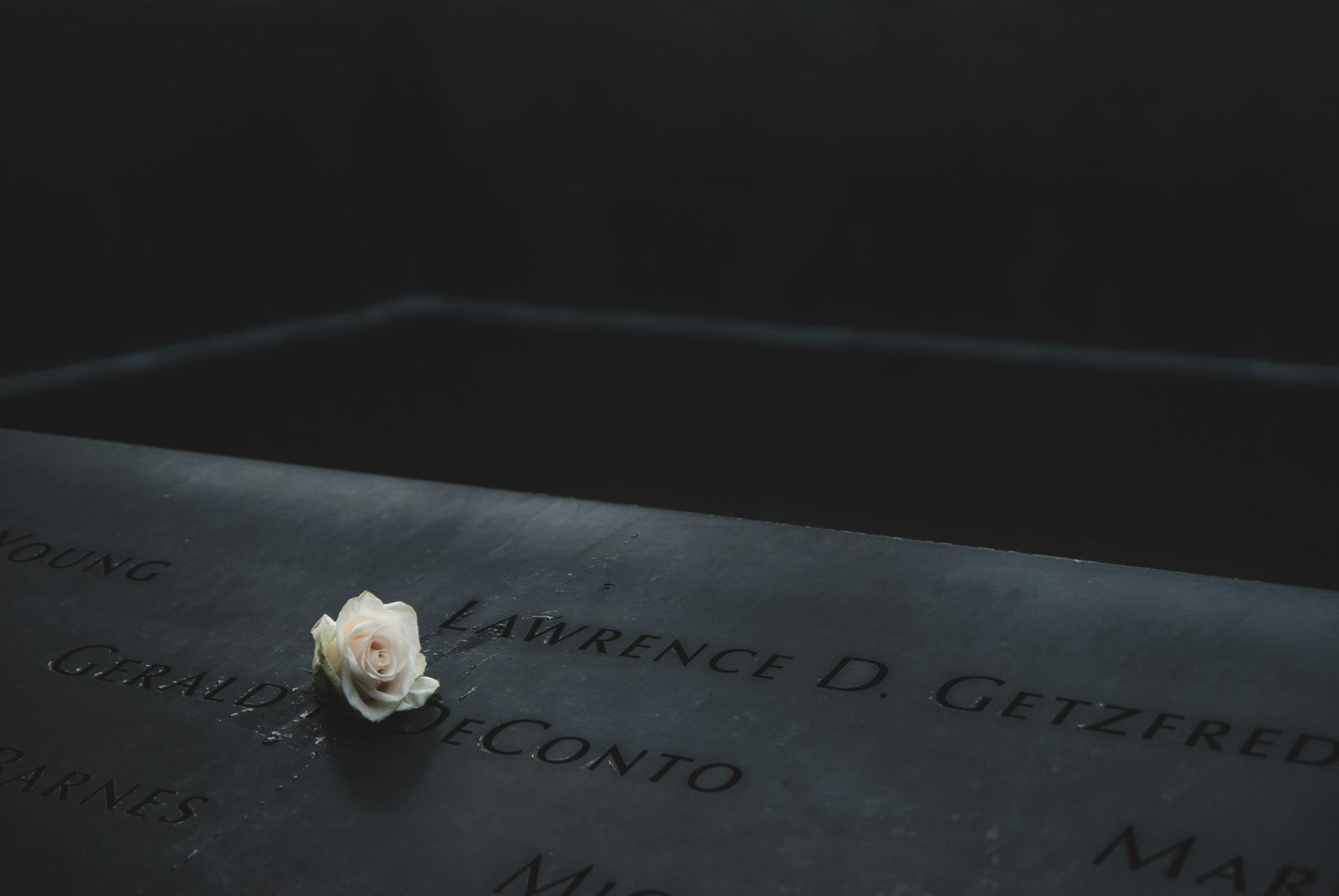
politics in Pakistan has been marred by numerous tragedies over the years, reflecting the tumultuous nature of the country's governance. From political unrest to corruption scandals, Pakistan's political landscape is rife with challenges that have hindered progress and development. One of the most tragic episodes in Pakistan's political history was the assassination of former Prime Minister Benazir Bhutto in 2007. Bhutto, a charismatic leader and the first woman to lead a Muslim-majority country, was killed in a targeted attack while campaigning for the general elections. Her death not only dealt a blow to the democratic process in Pakistan but also exposed the vulnerability of political figures in the face of extremism and violence. Furthermore, Pakistan has been plagued by frequent political crises, with power struggles, coups, and corruption scandals undermining the stability of the country. The powerful military has often played a dominant role in Pakistani politics, leading to a lack of accountability and transparency in governance. This has hindered the country's progress and perpetuated a cycle of political instability. Corruption has also been a pervasive issue in Pakistani politics, with politicians and public officials frequently being implicated in graft and embezzlement cases. The lack of strong accountability mechanisms has allowed corruption to thrive, further eroding public trust in the political system. In recent years, Pakistan has witnessed a rise in ethno-political tensions, particularly in regions such as Balochistan and Sindh. The marginalization of certain ethnic groups and the failure to address their grievances have fueled separatist movements and violence, adding to the complexity of Pakistan's political challenges. Despite these tragedies and challenges, there is hope for a brighter future in Pakistan. Civil society organizations, media outlets, and grassroots movements have been working tirelessly to promote democracy, human rights, and social justice in the country. The youth, in particular, have emerged as a powerful force for change, demanding accountability and transparency from their political leaders. As Pakistan grapples with its political tragedies, it is crucial for stakeholders to come together to address the root causes of instability and work towards building a more inclusive and democratic society. Only through a concerted effort to reform institutions, promote good governance, and uphold the rule of law can Pakistan overcome the tragedies that have plagued its politics and pave the way for a more prosperous future.
Leave a Comment:
SEARCH
Recent News
- Zurich, Switzerland is a vibrant city known for its rich cultural scene and diverse music offerings. One unique aspect of Zurich's music scene is the presence of Sudanese music, which has found a home in the city's melting pot of cultures.
- Visiting Zurich, Switzerland, can be an enriching experience for music lovers from all corners of the world. While the city may not be the first place that comes to mind when thinking about South African music, Zurich's diverse music scene offers a glimpse into the vibrant sounds of this African nation.
- Zurich, Switzerland is a vibrant city known for its stunning architecture, picturesque landscapes, and rich culture. One aspect of Zurich's cultural scene that often goes under the radar is its regional music. The city and its surrounding areas are home to a diverse range of musical styles, reflecting the multiculturalism and artistic diversity of the region.
- Top 5 Zurich Regional Movies You Must Watch
- Zurich, Switzerland, is a vibrant city known for its stunning architecture, picturesque landscapes, and thriving cultural scene. In recent years, the city has also become a hub for film production, attracting filmmakers from around the world. Interestingly, a connection has emerged between Zurich and Paraguay through the medium of film.
- Zurich, Switzerland: Discovering the Vibrant Norwegian Music Scene
- Zurich - A Hub for Hungarian Films
- Zurich, Switzerland: A Hub for Estonian Music
READ MORE
10 months ago Category :

Zurich, Switzerland is a vibrant city known for its rich cultural scene and diverse music offerings. One unique aspect of Zurich's music scene is the presence of Sudanese music, which has found a home in the city's melting pot of cultures.
Read More →10 months ago Category :

Visiting Zurich, Switzerland, can be an enriching experience for music lovers from all corners of the world. While the city may not be the first place that comes to mind when thinking about South African music, Zurich's diverse music scene offers a glimpse into the vibrant sounds of this African nation.
Read More →10 months ago Category :

Zurich, Switzerland is a vibrant city known for its stunning architecture, picturesque landscapes, and rich culture. One aspect of Zurich's cultural scene that often goes under the radar is its regional music. The city and its surrounding areas are home to a diverse range of musical styles, reflecting the multiculturalism and artistic diversity of the region.
Read More →10 months ago Category :
