The Tragedy of Medical Artificial Intelligence: Balancing Efficiency and Ethics
Category : | Sub Category : Posted on 2024-10-05 22:25:23
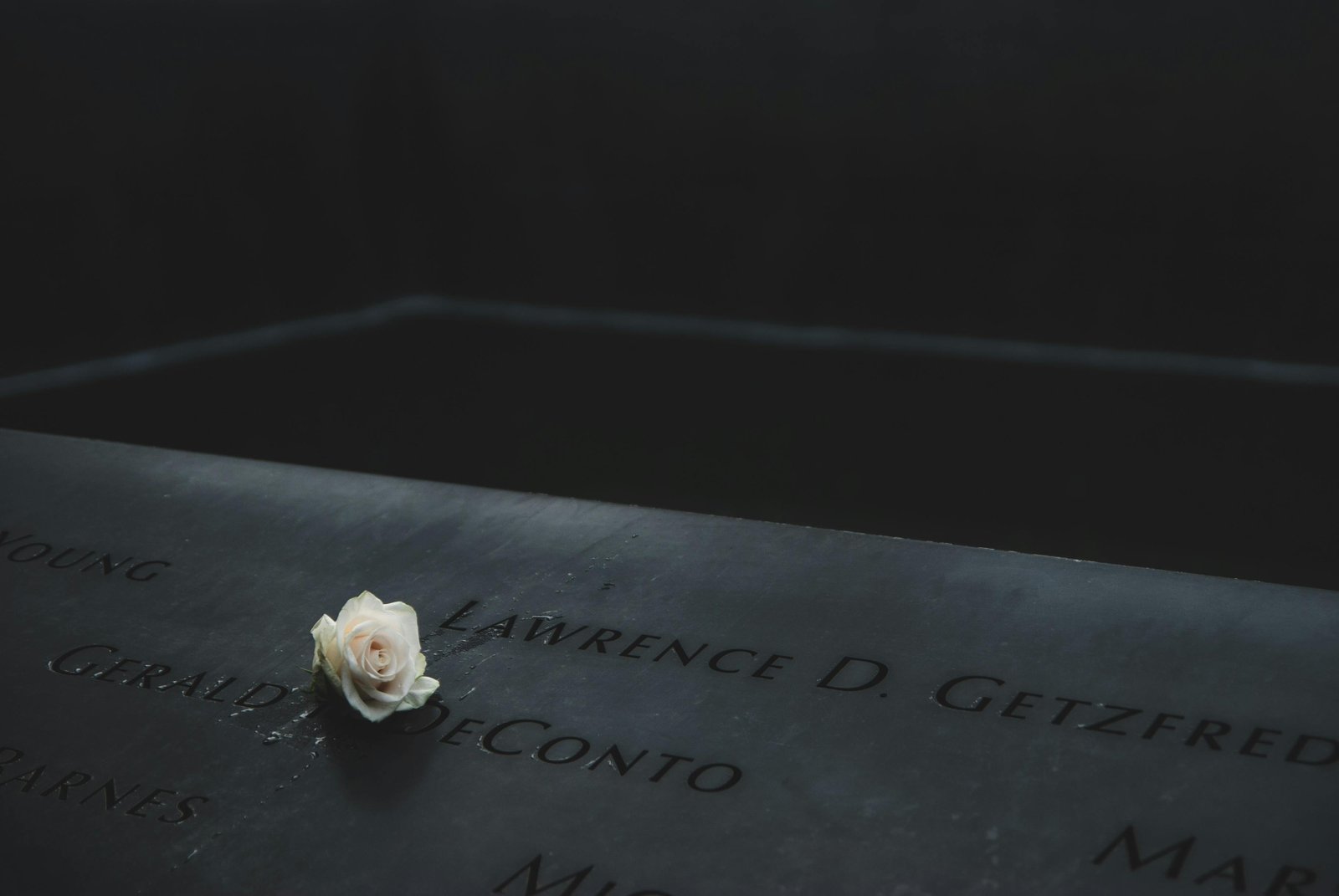
The advent of artificial intelligence (AI) in the field of medicine has brought about immense benefits, revolutionizing the way healthcare is delivered. From advanced diagnostics to personalized treatment plans, AI has the potential to significantly improve patient outcomes and save lives. However, amidst the excitement and promise of AI in healthcare, there also lies the looming specter of potential tragedies that can arise from its implementation. One such tragedy is the possibility of AI making life-and-death decisions that could have profound ethical implications. Unlike human healthcare providers, AI algorithms lack the capacity for empathy, compassion, and moral reasoning. While AI may be able to analyze vast amounts of data at lightning speed and provide accurate diagnoses, it may struggle to navigate the complex ethical dilemmas that often arise in medical practice. Consider a scenario where an AI-powered system is tasked with triaging patients in a busy emergency room. The algorithm is programmed to prioritize patients based on the severity of their condition and the likelihood of survival. In its quest for efficiency, the AI may overlook crucial nuances that a human physician would consider, such as a patient's unique medical history, personal preferences, or quality of life considerations. This could result in the misallocation of resources or the denial of care to vulnerable patients who may benefit from treatment. Another tragic possibility is the potential for bias and discrimination to be perpetuated by AI systems in healthcare. If the algorithms are trained on biased data or fail to account for diversity in the patient population, they may inadvertently reinforce existing disparities in healthcare access and outcomes. This could lead to marginalized groups receiving substandard care or being disproportionately affected by medical errors, further exacerbating health inequities. Furthermore, there are concerns about the lack of transparency and accountability in AI systems, particularly when it comes to how decisions are made. If AI algorithms operate as black boxes, with no clear explanations for their recommendations, it may be challenging to identify and rectify errors or biases that could have devastating consequences for patients. To prevent the tragedy of medical AI, it is essential for healthcare providers, policymakers, and technology developers to work together to establish robust ethical guidelines and regulatory frameworks that govern the responsible deployment of AI in medicine. Transparency, accountability, and human oversight should be prioritized to ensure that AI complements, rather than replaces, the essential role of healthcare professionals in delivering compassionate and ethical care to patients. In conclusion, while medical artificial intelligence holds immense promise for transforming healthcare, it is crucial to proceed with caution to avoid potential tragedies stemming from ethical lapses, bias, or lack of accountability in AI systems. By striking a delicate balance between efficiency and ethics, we can harness the power of AI to improve patient outcomes while upholding the values of compassion and equity in healthcare delivery. Seeking expert advice? Find it in https://www.tinyfed.com this link is for more information https://www.natclar.com If you are enthusiast, check this out https://www.garganta.org click the following link for more information: https://www.ciego.org Don't miss more information at https://www.enferma.org Explore expert opinions in https://www.oreilles.org Dropy by for a visit at https://www.computacion.org
https://garganta.org
https://ciego.org
https://enferma.org
https://oreilles.org
Leave a Comment:
SEARCH
Recent News
- Zurich, Switzerland is a vibrant city known for its rich cultural scene and diverse music offerings. One unique aspect of Zurich's music scene is the presence of Sudanese music, which has found a home in the city's melting pot of cultures.
- Visiting Zurich, Switzerland, can be an enriching experience for music lovers from all corners of the world. While the city may not be the first place that comes to mind when thinking about South African music, Zurich's diverse music scene offers a glimpse into the vibrant sounds of this African nation.
- Zurich, Switzerland is a vibrant city known for its stunning architecture, picturesque landscapes, and rich culture. One aspect of Zurich's cultural scene that often goes under the radar is its regional music. The city and its surrounding areas are home to a diverse range of musical styles, reflecting the multiculturalism and artistic diversity of the region.
- Top 5 Zurich Regional Movies You Must Watch
- Zurich, Switzerland, is a vibrant city known for its stunning architecture, picturesque landscapes, and thriving cultural scene. In recent years, the city has also become a hub for film production, attracting filmmakers from around the world. Interestingly, a connection has emerged between Zurich and Paraguay through the medium of film.
- Zurich, Switzerland: Discovering the Vibrant Norwegian Music Scene
- Zurich - A Hub for Hungarian Films
- Zurich, Switzerland: A Hub for Estonian Music
READ MORE
9 months ago Category :

Zurich, Switzerland is a vibrant city known for its rich cultural scene and diverse music offerings. One unique aspect of Zurich's music scene is the presence of Sudanese music, which has found a home in the city's melting pot of cultures.
Read More →9 months ago Category :

Visiting Zurich, Switzerland, can be an enriching experience for music lovers from all corners of the world. While the city may not be the first place that comes to mind when thinking about South African music, Zurich's diverse music scene offers a glimpse into the vibrant sounds of this African nation.
Read More →9 months ago Category :

Zurich, Switzerland is a vibrant city known for its stunning architecture, picturesque landscapes, and rich culture. One aspect of Zurich's cultural scene that often goes under the radar is its regional music. The city and its surrounding areas are home to a diverse range of musical styles, reflecting the multiculturalism and artistic diversity of the region.
Read More →9 months ago Category :
