In 1755, a devastating tragedy struck the city of Lisbon, Portugal, shaking the region to its core and sparking significant changes in law and regulations. The event, known as the Lisbon earthquake, occurred on the morning of November 1st and is considered one of the most destructive earthquakes in European history.
Category : | Sub Category : Posted on 2024-10-05 22:25:23
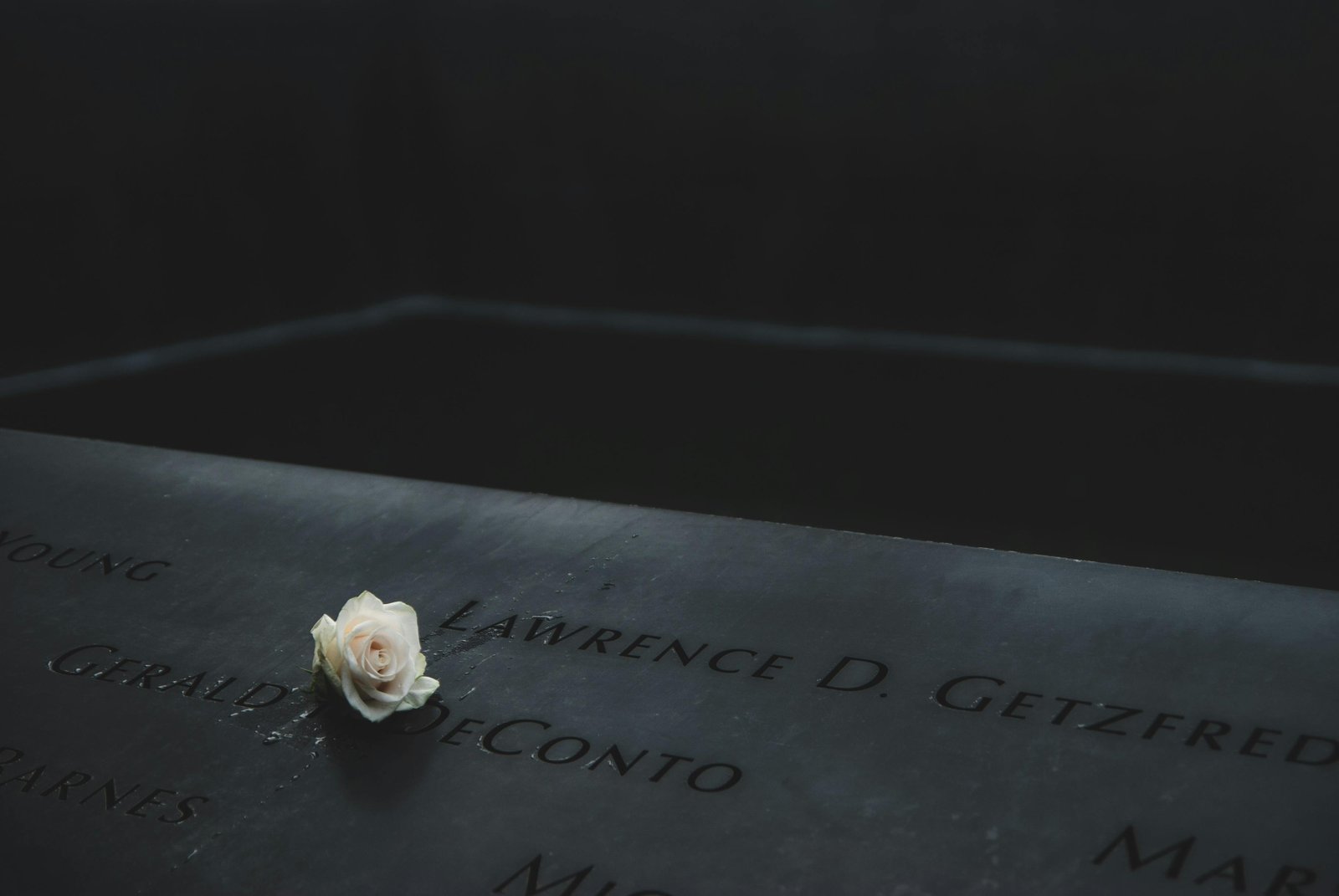
The earthquake, estimated to have a magnitude of 8.5 to 9.0, resulted in widespread destruction throughout Lisbon. Buildings crumbled, fires broke out, and a massive tsunami engulfed the city, leaving thousands dead and countless others injured or displaced. The disaster not only caused physical devastation but also had a profound impact on the legal and regulatory framework of the city and beyond. In the aftermath of the tragedy, authorities were faced with the monumental task of rebuilding Lisbon and implementing measures to prevent future disasters. One significant outcome of the earthquake was the introduction of new building codes and regulations aimed at improving the structural integrity of constructions within the city. These regulations set standards for building materials, design, and construction techniques to ensure greater resilience in the face of seismic activity. Additionally, the disaster prompted advancements in urban planning and emergency preparedness. City officials worked to develop evacuation plans, establish emergency response protocols, and create designated safe zones to protect the population in the event of another catastrophe. The tragedy served as a wake-up call, highlighting the importance of proactive measures to mitigate risks and safeguard public safety. The Lisbon earthquake also had broader implications beyond the city itself. The event sparked debates and discussions across Europe about the nature of natural disasters and society's response to such crises. Scholars and philosophers of the time, including Voltaire, reflected on the implications of the tragedy, questioning traditional beliefs about divine intervention and the role of human agency in the face of adversity. Ultimately, the 1755 Lisbon earthquake left an indelible mark on the city and its inhabitants, reshaping not only the physical landscape but also the legal and regulatory framework governing urban development and disaster management. The tragedy served as a catalyst for change, leading to advancements in building practices, emergency preparedness, and public policy that continue to influence urban resilience efforts to this day.
https://vollmacht.org
Leave a Comment:
SEARCH
Recent News
- Zurich, Switzerland is a vibrant city known for its rich cultural scene and diverse music offerings. One unique aspect of Zurich's music scene is the presence of Sudanese music, which has found a home in the city's melting pot of cultures.
- Visiting Zurich, Switzerland, can be an enriching experience for music lovers from all corners of the world. While the city may not be the first place that comes to mind when thinking about South African music, Zurich's diverse music scene offers a glimpse into the vibrant sounds of this African nation.
- Zurich, Switzerland is a vibrant city known for its stunning architecture, picturesque landscapes, and rich culture. One aspect of Zurich's cultural scene that often goes under the radar is its regional music. The city and its surrounding areas are home to a diverse range of musical styles, reflecting the multiculturalism and artistic diversity of the region.
- Top 5 Zurich Regional Movies You Must Watch
- Zurich, Switzerland, is a vibrant city known for its stunning architecture, picturesque landscapes, and thriving cultural scene. In recent years, the city has also become a hub for film production, attracting filmmakers from around the world. Interestingly, a connection has emerged between Zurich and Paraguay through the medium of film.
- Zurich, Switzerland: Discovering the Vibrant Norwegian Music Scene
- Zurich - A Hub for Hungarian Films
- Zurich, Switzerland: A Hub for Estonian Music
READ MORE
9 months ago Category :

Zurich, Switzerland is a vibrant city known for its rich cultural scene and diverse music offerings. One unique aspect of Zurich's music scene is the presence of Sudanese music, which has found a home in the city's melting pot of cultures.
Read More →9 months ago Category :

Visiting Zurich, Switzerland, can be an enriching experience for music lovers from all corners of the world. While the city may not be the first place that comes to mind when thinking about South African music, Zurich's diverse music scene offers a glimpse into the vibrant sounds of this African nation.
Read More →9 months ago Category :

Zurich, Switzerland is a vibrant city known for its stunning architecture, picturesque landscapes, and rich culture. One aspect of Zurich's cultural scene that often goes under the radar is its regional music. The city and its surrounding areas are home to a diverse range of musical styles, reflecting the multiculturalism and artistic diversity of the region.
Read More →9 months ago Category :
