Unraveling Contradictions: Exploring Tragedies in Indonesia
Category : | Sub Category : Posted on 2024-10-05 22:25:23
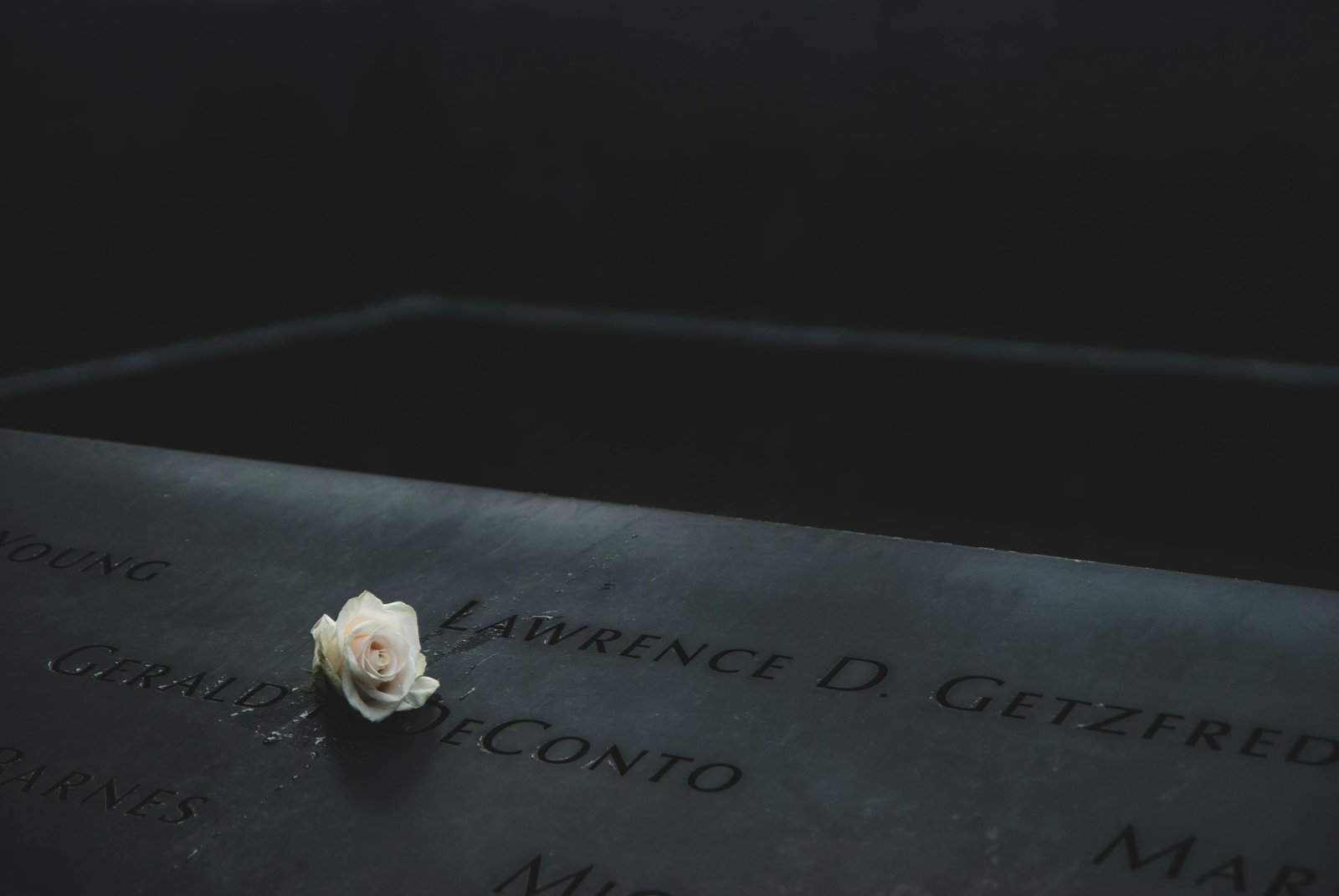
Indonesia, a country of diverse cultures and stunning landscapes, holds within its heart a tapestry of contradictions. From natural disasters to political unrest, the nation often finds itself grappling with tragic events that highlight the complexities of its social and environmental fabric. In this blog post, we delve into some of the key tragedies that have shaped Indonesia's narrative, shedding light on the inherent contradictions that define this vibrant country. 1. Natural Disasters and Resilience: Indonesia is no stranger to natural disasters, with its location along the Ring of Fire making it prone to earthquakes, tsunamis, and volcanic eruptions. The 2004 Indian Ocean earthquake and tsunami, which devastated coastal communities and claimed over 230,000 lives in Indonesia, stands as a stark reminder of the country's vulnerability to such calamities. Despite facing frequent natural disasters, Indonesians have shown remarkable resilience and solidarity in the face of adversity, coming together to rebuild their communities and support those in need. 2. Environmental Conservation vs. Resource Exploitation: The lush rainforests of Indonesia are home to a diverse array of flora and fauna, making it a biodiversity hotspot of global significance. However, the country's natural splendor is under threat from deforestation, illegal logging, and the expansion of palm oil plantations. This contradiction between the need for environmental conservation and the pressures of economic development underscores the challenges faced by Indonesia in balancing its natural heritage with its economic aspirations. 3. Political Turmoil and Democratic Progress: Over the years, Indonesia has experienced episodes of political turmoil, from the authoritarian rule of Suharto to the democratic reforms that followed his fall from power. While the country has made significant strides towards democracy, including holding regular elections and fostering a vibrant civil society, challenges such as corruption and human rights abuses continue to mar its political landscape. The contradictions between Indonesia's democratic ideals and the realities of governance highlight the ongoing struggle for political reform and social justice. 4. Cultural Diversity and Social Harmony: Indonesia prides itself on its rich cultural diversity, with over 300 ethnic groups and a multitude of languages and traditions coexisting in harmony. However, this cultural tapestry is not without its frictions, as issues of religious intolerance, ethnic discrimination, and social inequality persist in various parts of the country. The challenge of fostering social harmony amidst cultural diversity underscores the need for greater dialogue, understanding, and mutual respect among Indonesia's diverse communities. In conclusion, Indonesia's tragic contradictions reveal the nuanced complexities of a nation grappling with its past, present, and future. While facing challenges on multiple fronts, Indonesians continue to demonstrate resilience, unity, and a commitment to building a better future for themselves and future generations. By acknowledging and addressing these contradictions, Indonesia can forge a path towards greater harmony, sustainability, and prosperity for all its people.
Leave a Comment:
SEARCH
Recent News
- Zurich, Switzerland is a vibrant city known for its rich cultural scene and diverse music offerings. One unique aspect of Zurich's music scene is the presence of Sudanese music, which has found a home in the city's melting pot of cultures.
- Visiting Zurich, Switzerland, can be an enriching experience for music lovers from all corners of the world. While the city may not be the first place that comes to mind when thinking about South African music, Zurich's diverse music scene offers a glimpse into the vibrant sounds of this African nation.
- Zurich, Switzerland is a vibrant city known for its stunning architecture, picturesque landscapes, and rich culture. One aspect of Zurich's cultural scene that often goes under the radar is its regional music. The city and its surrounding areas are home to a diverse range of musical styles, reflecting the multiculturalism and artistic diversity of the region.
- Top 5 Zurich Regional Movies You Must Watch
- Zurich, Switzerland, is a vibrant city known for its stunning architecture, picturesque landscapes, and thriving cultural scene. In recent years, the city has also become a hub for film production, attracting filmmakers from around the world. Interestingly, a connection has emerged between Zurich and Paraguay through the medium of film.
- Zurich, Switzerland: Discovering the Vibrant Norwegian Music Scene
- Zurich - A Hub for Hungarian Films
- Zurich, Switzerland: A Hub for Estonian Music
READ MORE
9 months ago Category :

Zurich, Switzerland is a vibrant city known for its rich cultural scene and diverse music offerings. One unique aspect of Zurich's music scene is the presence of Sudanese music, which has found a home in the city's melting pot of cultures.
Read More →9 months ago Category :

Visiting Zurich, Switzerland, can be an enriching experience for music lovers from all corners of the world. While the city may not be the first place that comes to mind when thinking about South African music, Zurich's diverse music scene offers a glimpse into the vibrant sounds of this African nation.
Read More →9 months ago Category :

Zurich, Switzerland is a vibrant city known for its stunning architecture, picturesque landscapes, and rich culture. One aspect of Zurich's cultural scene that often goes under the radar is its regional music. The city and its surrounding areas are home to a diverse range of musical styles, reflecting the multiculturalism and artistic diversity of the region.
Read More →9 months ago Category :
