The Tragedy of the Indonesian Chinese Language: A History of Persecution and Resilience
Category : | Sub Category : Posted on 2024-10-05 22:25:23
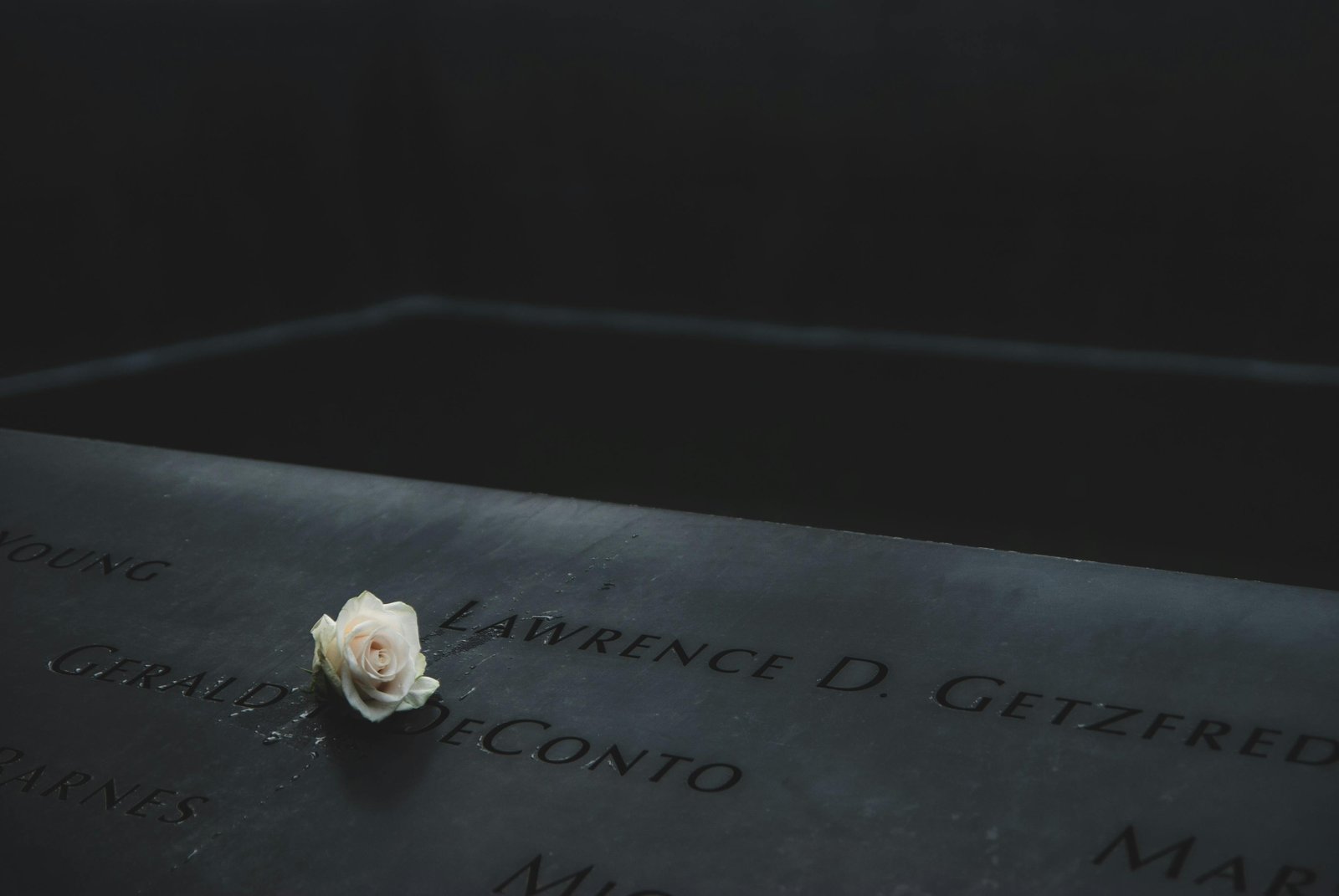
Indonesia, a diverse and culturally rich nation, is home to a significant population of Chinese descent. For centuries, the Chinese community in Indonesia has made significant contributions to the country's economy, culture, and society. However, their journey has been marred by a tragic history of persecution, discrimination, and the suppression of their language and culture. The tragic chapter of the Indonesian Chinese language dates back to the colonial era when the Dutch East India Company imposed restrictions on the use of Chinese language and culture among the Chinese community. These policies were aimed at suppressing the ethnic identity and cultural heritage of the Chinese population, as the colonial rulers viewed them as a threat to their power and control. The situation worsened during the Japanese occupation of Indonesia in World War II, where the Chinese community faced further discrimination and persecution. After gaining independence from Dutch colonial rule, Indonesia experienced political turmoil, and the Chinese minority became scapegoats for social and economic issues. This led to the implementation of discriminatory policies against the Chinese community, including restrictions on the use of Chinese language in public spaces and educational institutions. The tragic events culminated in the infamous anti-Chinese riots of 1998, where Chinese-owned businesses were looted and destroyed, and many lives were lost. The violence and discrimination faced by the Indonesian Chinese community during this period left a deep scar on the collective memory of the community. Despite facing centuries of oppression and discrimination, the Indonesian Chinese community has shown remarkable resilience and perseverance in preserving their language and culture. Many Chinese Indonesians have made significant efforts to revive and promote the use of the Chinese language through cultural organizations, language schools, and community events. In recent years, there has been a growing recognition of the importance of cultural diversity and inclusivity in Indonesia. Efforts have been made to promote intercultural dialogue and understanding, and to acknowledge the contributions of the Chinese community to the nation's development. The tragic history of the Indonesian Chinese language serves as a reminder of the importance of preserving cultural heritage and embracing diversity in a multicultural society. As Indonesia moves towards a more inclusive and tolerant future, it is essential to remember the past and learn from it to build a more harmonious and equitable society for all its citizens. To delve deeper into this subject, consider these articles: https://www.tragedians.com
Leave a Comment:
SEARCH
Recent News
- Zurich, Switzerland is a vibrant city known for its rich cultural scene and diverse music offerings. One unique aspect of Zurich's music scene is the presence of Sudanese music, which has found a home in the city's melting pot of cultures.
- Visiting Zurich, Switzerland, can be an enriching experience for music lovers from all corners of the world. While the city may not be the first place that comes to mind when thinking about South African music, Zurich's diverse music scene offers a glimpse into the vibrant sounds of this African nation.
- Zurich, Switzerland is a vibrant city known for its stunning architecture, picturesque landscapes, and rich culture. One aspect of Zurich's cultural scene that often goes under the radar is its regional music. The city and its surrounding areas are home to a diverse range of musical styles, reflecting the multiculturalism and artistic diversity of the region.
- Top 5 Zurich Regional Movies You Must Watch
- Zurich, Switzerland, is a vibrant city known for its stunning architecture, picturesque landscapes, and thriving cultural scene. In recent years, the city has also become a hub for film production, attracting filmmakers from around the world. Interestingly, a connection has emerged between Zurich and Paraguay through the medium of film.
- Zurich, Switzerland: Discovering the Vibrant Norwegian Music Scene
- Zurich - A Hub for Hungarian Films
- Zurich, Switzerland: A Hub for Estonian Music
READ MORE
9 months ago Category :

Zurich, Switzerland is a vibrant city known for its rich cultural scene and diverse music offerings. One unique aspect of Zurich's music scene is the presence of Sudanese music, which has found a home in the city's melting pot of cultures.
Read More →9 months ago Category :

Visiting Zurich, Switzerland, can be an enriching experience for music lovers from all corners of the world. While the city may not be the first place that comes to mind when thinking about South African music, Zurich's diverse music scene offers a glimpse into the vibrant sounds of this African nation.
Read More →9 months ago Category :

Zurich, Switzerland is a vibrant city known for its stunning architecture, picturesque landscapes, and rich culture. One aspect of Zurich's cultural scene that often goes under the radar is its regional music. The city and its surrounding areas are home to a diverse range of musical styles, reflecting the multiculturalism and artistic diversity of the region.
Read More →9 months ago Category :
