Understanding the Tragedies That Have Befallen Hotels: A Critical Analysis
Category : | Sub Category : Posted on 2024-10-05 22:25:23
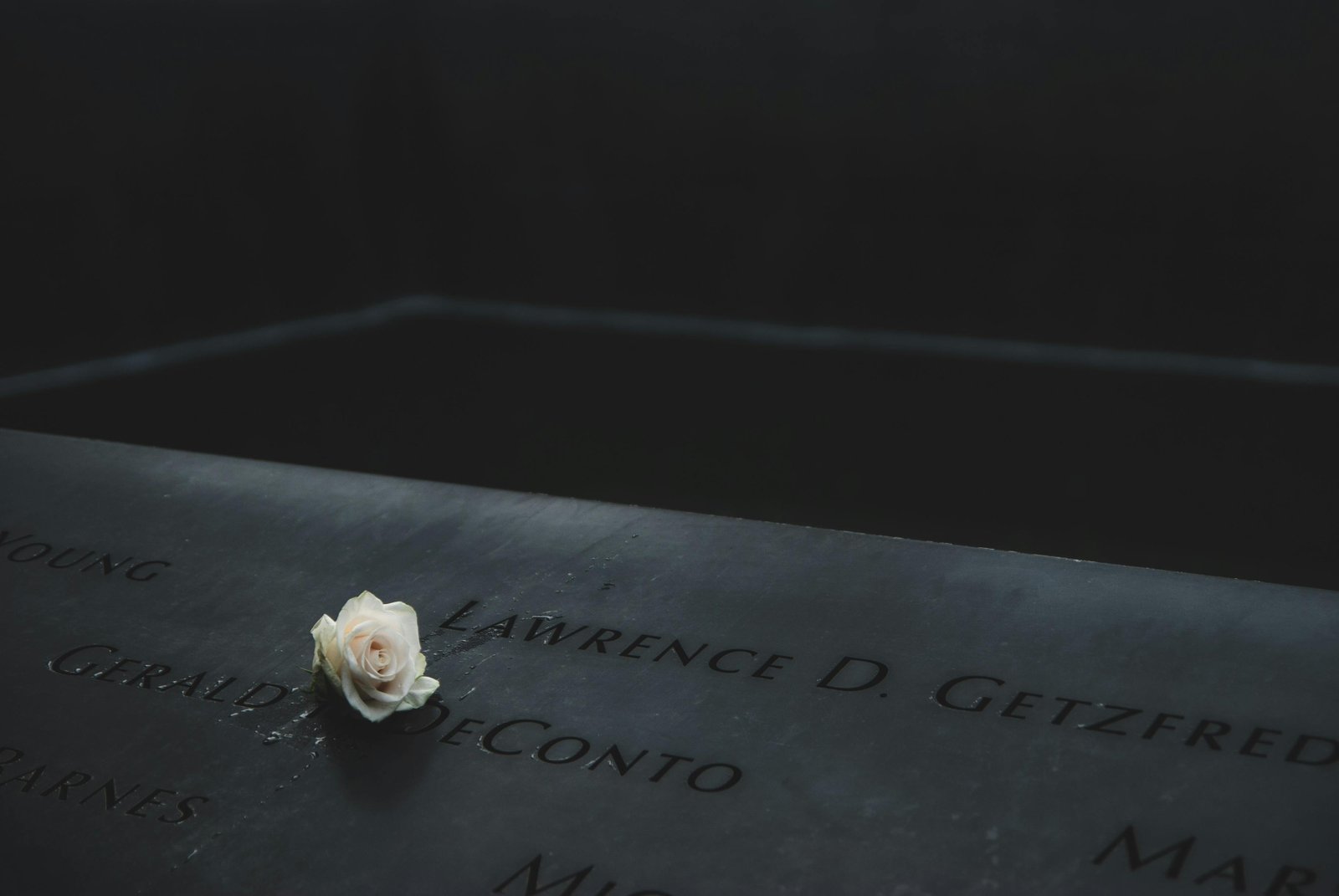
Hotels are meant to be places of respite and relaxation for travelers, providing a safe haven away from the hustle and bustle of daily life. However, there have been numerous tragic incidents that have occurred in hotels around the world, shedding light on the potential dangers that guests and employees may face. In this essay, we will delve into some of these Hotel tragedies, examining the causes, consequences, and the lessons we can learn from them. One of the most well-known hotel tragedies in recent history is the 2017 mass shooting at the Mandalay Bay Resort in Las Vegas, which left 58 people dead and hundreds more injured. The gunman, who was a guest at the hotel, opened fire on a crowd of concert-goers from his room on the 32nd floor, reigniting the debate on hotel security measures and the need for stricter gun control laws. This shocking event not only resulted in loss of lives but also had a profound impact on the sense of safety and security that guests should expect from a hotel. Another tragic incident that highlighted the vulnerability of hotel guests was the 2001 terror attacks on the World Trade Center in New York City. The Marriott World Trade Center Hotel was located adjacent to the Twin Towers and suffered extensive damage, resulting in the deaths of many guests and employees. This horrifying event underscored the importance of emergency preparedness and evacuation procedures in hotels, emphasizing the need for thorough safety protocols in the face of unforeseen disasters. Aside from external threats, hotels have also been the scene of internal tragedies, such as instances of fire outbreaks, structural collapses, and accidents due to negligence or lack of maintenance. For example, the deadly fire at the Hotel Dupont Plaza in Puerto Rico in 1986, caused by disgruntled employees, resulted in 97 deaths and exposed the shortcomings in fire safety standards and employee grievances within the hospitality industry. In light of these tragic incidents, it is evident that hotels must prioritize the safety and well-being of their guests and staff above all else. This includes implementing stringent security measures, conducting regular safety drills, maintaining building infrastructure, and fostering a culture of vigilance and accountability among employees. Guests, on their part, should also be aware of their surroundings, familiarize themselves with emergency exits, and report any suspicious activities to hotel management. In conclusion, the tragedies that have befallen hotels serve as sobering reminders of the potential risks and vulnerabilities that exist in these spaces meant for leisure and hospitality. By learning from past mistakes, investing in robust safety measures, and fostering a culture of preparedness, hotels can strive to provide a secure environment for all who walk through their doors. As guests, it is our collective responsibility to prioritize safety and awareness in order to prevent tragedies and ensure that hotels remain sanctuaries of comfort and peace.
Leave a Comment:
SEARCH
Recent News
- Zurich, Switzerland is a vibrant city known for its rich cultural scene and diverse music offerings. One unique aspect of Zurich's music scene is the presence of Sudanese music, which has found a home in the city's melting pot of cultures.
- Visiting Zurich, Switzerland, can be an enriching experience for music lovers from all corners of the world. While the city may not be the first place that comes to mind when thinking about South African music, Zurich's diverse music scene offers a glimpse into the vibrant sounds of this African nation.
- Zurich, Switzerland is a vibrant city known for its stunning architecture, picturesque landscapes, and rich culture. One aspect of Zurich's cultural scene that often goes under the radar is its regional music. The city and its surrounding areas are home to a diverse range of musical styles, reflecting the multiculturalism and artistic diversity of the region.
- Top 5 Zurich Regional Movies You Must Watch
- Zurich, Switzerland, is a vibrant city known for its stunning architecture, picturesque landscapes, and thriving cultural scene. In recent years, the city has also become a hub for film production, attracting filmmakers from around the world. Interestingly, a connection has emerged between Zurich and Paraguay through the medium of film.
- Zurich, Switzerland: Discovering the Vibrant Norwegian Music Scene
- Zurich - A Hub for Hungarian Films
- Zurich, Switzerland: A Hub for Estonian Music
READ MORE
8 months ago Category :

Zurich, Switzerland is a vibrant city known for its rich cultural scene and diverse music offerings. One unique aspect of Zurich's music scene is the presence of Sudanese music, which has found a home in the city's melting pot of cultures.
Read More →8 months ago Category :

Visiting Zurich, Switzerland, can be an enriching experience for music lovers from all corners of the world. While the city may not be the first place that comes to mind when thinking about South African music, Zurich's diverse music scene offers a glimpse into the vibrant sounds of this African nation.
Read More →8 months ago Category :

Zurich, Switzerland is a vibrant city known for its stunning architecture, picturesque landscapes, and rich culture. One aspect of Zurich's cultural scene that often goes under the radar is its regional music. The city and its surrounding areas are home to a diverse range of musical styles, reflecting the multiculturalism and artistic diversity of the region.
Read More →8 months ago Category :
