Exploring the Intersection of Tragedy and Architecture in Hotels
Category : | Sub Category : Posted on 2024-10-05 22:25:23
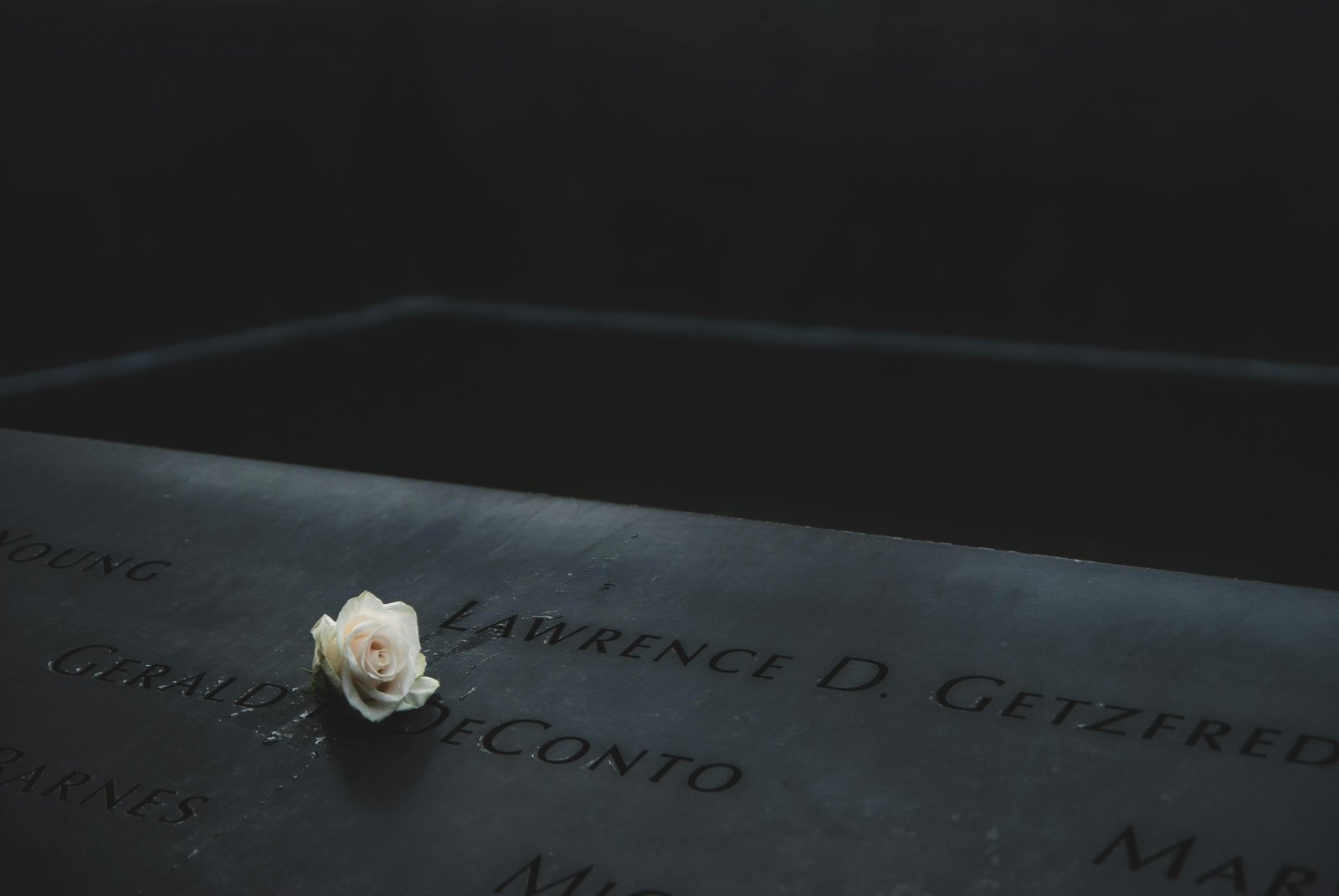
Hotels are often thought of as places of luxury, comfort, and relaxation. However, some hotels around the world have been the sites of tragic events that have left a lasting impact on their architecture and design. These incidents have forced the hospitality industry to reevaluate safety measures, building regulations, and the role of architecture in shaping guest experiences. One of the most infamous Hotel tragedies in history is the collapse of the Hyatt Regency Hotel walkway in Kansas City in 1981. The structural failure of the walkways, which were suspended from the ceiling, resulted in the deaths of 114 people and left a scar on the hotel's architecture. As a result of this disaster, building codes and regulations were revised to ensure the safety of similar structures in the future. Another tragic event that has influenced hotel architecture is the terrorist attacks on the World Trade Center on September 11, 2001. The destruction of the Twin Towers led to a heightened focus on security and emergency preparedness in hotels and other buildings. Architects and designers began incorporating features such as blast-resistant materials, secure emergency exits, and enhanced surveillance systems to protect guests and staff. In addition to these large-scale tragedies, individual hotels have also experienced incidents that have shaped their architecture. For example, the shooting at the Mandalay Bay Resort in Las Vegas in 2017 prompted hotels to rethink their layout and security measures to prevent similar events. Some hotels have implemented bulletproof glass, metal detectors, and increased security personnel to ensure the safety of guests and employees. Despite these tragedies, hotels continue to evolve and adapt their architecture to meet the changing needs of guests and the challenges of the modern world. Designers are now incorporating elements of biophilic design, sustainable materials, and smart technology to create welcoming, safe, and environmentally friendly spaces for travelers. In conclusion, the intersection of tragedy and architecture in hotels showcases the resilience and innovation of the hospitality industry. By learning from past incidents and incorporating best practices into their designs, hotels can create spaces that not only provide comfort and luxury but also prioritize the safety and well-being of everyone who steps through their doors.
Leave a Comment:
SEARCH
Recent News
- Zurich, Switzerland is a vibrant city known for its rich cultural scene and diverse music offerings. One unique aspect of Zurich's music scene is the presence of Sudanese music, which has found a home in the city's melting pot of cultures.
- Visiting Zurich, Switzerland, can be an enriching experience for music lovers from all corners of the world. While the city may not be the first place that comes to mind when thinking about South African music, Zurich's diverse music scene offers a glimpse into the vibrant sounds of this African nation.
- Zurich, Switzerland is a vibrant city known for its stunning architecture, picturesque landscapes, and rich culture. One aspect of Zurich's cultural scene that often goes under the radar is its regional music. The city and its surrounding areas are home to a diverse range of musical styles, reflecting the multiculturalism and artistic diversity of the region.
- Top 5 Zurich Regional Movies You Must Watch
- Zurich, Switzerland, is a vibrant city known for its stunning architecture, picturesque landscapes, and thriving cultural scene. In recent years, the city has also become a hub for film production, attracting filmmakers from around the world. Interestingly, a connection has emerged between Zurich and Paraguay through the medium of film.
- Zurich, Switzerland: Discovering the Vibrant Norwegian Music Scene
- Zurich - A Hub for Hungarian Films
- Zurich, Switzerland: A Hub for Estonian Music
READ MORE
8 months ago Category :

Zurich, Switzerland is a vibrant city known for its rich cultural scene and diverse music offerings. One unique aspect of Zurich's music scene is the presence of Sudanese music, which has found a home in the city's melting pot of cultures.
Read More →8 months ago Category :

Visiting Zurich, Switzerland, can be an enriching experience for music lovers from all corners of the world. While the city may not be the first place that comes to mind when thinking about South African music, Zurich's diverse music scene offers a glimpse into the vibrant sounds of this African nation.
Read More →8 months ago Category :

Zurich, Switzerland is a vibrant city known for its stunning architecture, picturesque landscapes, and rich culture. One aspect of Zurich's cultural scene that often goes under the radar is its regional music. The city and its surrounding areas are home to a diverse range of musical styles, reflecting the multiculturalism and artistic diversity of the region.
Read More →8 months ago Category :
