The Tragedy of Urban Redevelopment in Cairo, Egypt
Category : | Sub Category : Posted on 2024-10-05 22:25:23
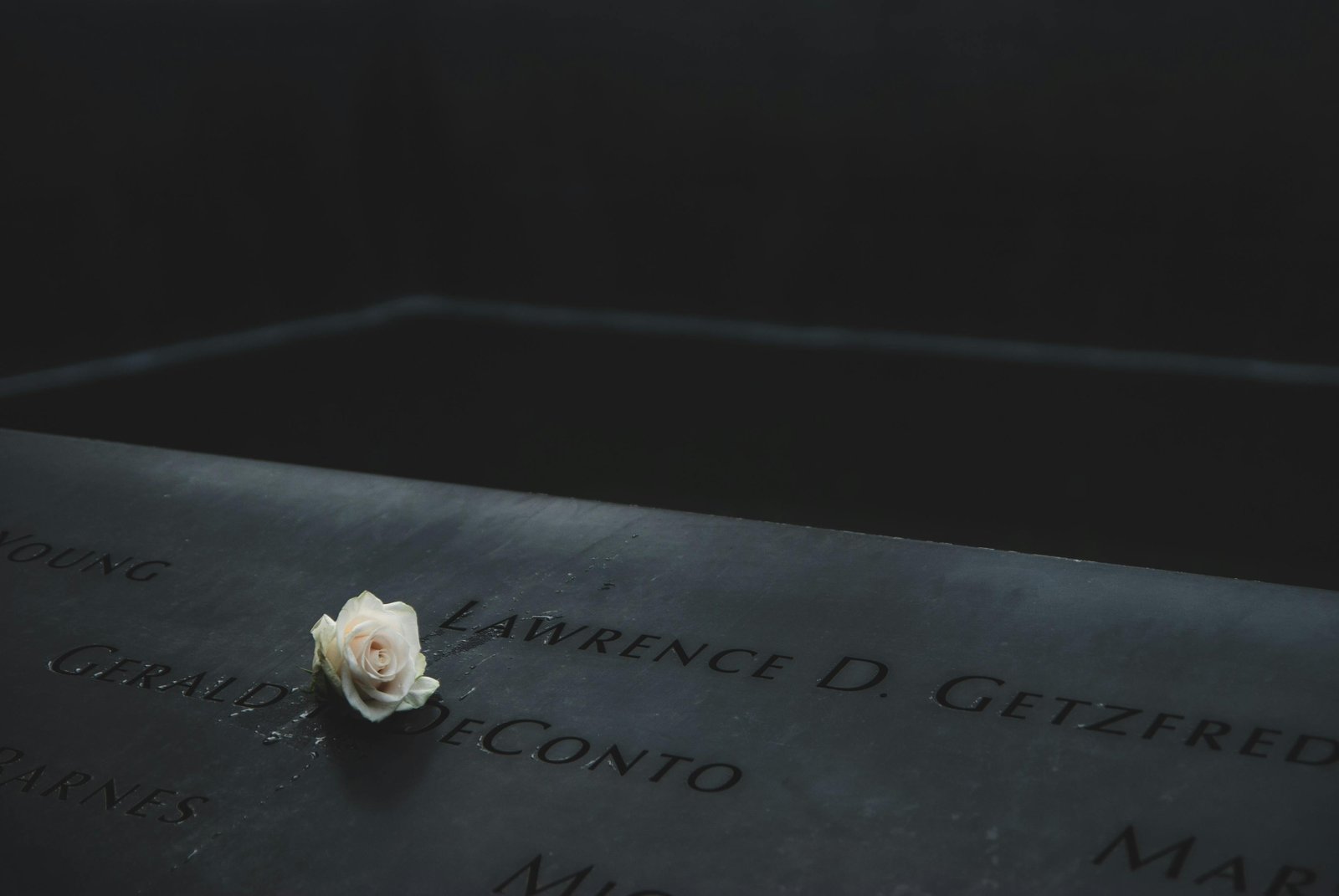
Cairo, the bustling capital of Egypt, is known for its rich history, vibrant culture, and unique architecture. However, alongside the city's ancient splendor lies a tragedy unfolding in the form of urban redevelopment projects that are reshaping the city's landscape and displacing its residents. In recent years, Cairo has been undergoing a significant transformation, with ambitious urban redevelopment projects aimed at modernizing the city and attracting investment. While these projects promise a brighter future for Cairo, they come at a high cost to the city's heritage and its people. One of the most infamous examples of urban redevelopment in Cairo is the Maspero Triangle project, which aimed to demolish a historic neighborhood near the Nile River to make way for luxury apartments and commercial buildings. Despite protests from residents and heritage conservation groups, the government went ahead with the project, displacing thousands of families and destroying centuries-old buildings. The tragic consequences of urban redevelopment in Cairo are not limited to the loss of historic buildings and displacement of residents. The rapid pace of development has also led to infrastructural challenges, such as increased traffic congestion, inadequate public services, and environmental degradation. Moreover, the focus on luxury developments in key areas of the city has widened the gap between the wealthy elite and the marginalized communities in Cairo. As historic neighborhoods are torn down to make room for high-end developments, affordable housing options for low-income residents become scarcer, leading to further social and economic inequality. To address the tragedy of urban redevelopment in Cairo, it is crucial for city planners and policymakers to prioritize sustainable development practices that balance the need for modernization with the preservation of the city's cultural heritage and the well-being of its residents. Community engagement, heritage conservation, and affordable housing initiatives should be at the forefront of urban planning efforts to ensure a more equitable and inclusive future for Cairo. In conclusion, the urban redevelopment projects in Cairo may promise a shiny new facade for the city, but the hidden cost of displacing communities, erasing history, and exacerbating inequality cannot be ignored. It is imperative for all stakeholders involved to work together towards a more sustainable and socially just approach to urban development in Cairo to prevent further tragedies from unfolding in this vibrant metropolis.
https://egyptwn.com
https://desencadenar.org
https://constructional.org
Leave a Comment:
SEARCH
Recent News
- Zurich, Switzerland is a vibrant city known for its rich cultural scene and diverse music offerings. One unique aspect of Zurich's music scene is the presence of Sudanese music, which has found a home in the city's melting pot of cultures.
- Visiting Zurich, Switzerland, can be an enriching experience for music lovers from all corners of the world. While the city may not be the first place that comes to mind when thinking about South African music, Zurich's diverse music scene offers a glimpse into the vibrant sounds of this African nation.
- Zurich, Switzerland is a vibrant city known for its stunning architecture, picturesque landscapes, and rich culture. One aspect of Zurich's cultural scene that often goes under the radar is its regional music. The city and its surrounding areas are home to a diverse range of musical styles, reflecting the multiculturalism and artistic diversity of the region.
- Top 5 Zurich Regional Movies You Must Watch
- Zurich, Switzerland, is a vibrant city known for its stunning architecture, picturesque landscapes, and thriving cultural scene. In recent years, the city has also become a hub for film production, attracting filmmakers from around the world. Interestingly, a connection has emerged between Zurich and Paraguay through the medium of film.
- Zurich, Switzerland: Discovering the Vibrant Norwegian Music Scene
- Zurich - A Hub for Hungarian Films
- Zurich, Switzerland: A Hub for Estonian Music
READ MORE
9 months ago Category :

Zurich, Switzerland is a vibrant city known for its rich cultural scene and diverse music offerings. One unique aspect of Zurich's music scene is the presence of Sudanese music, which has found a home in the city's melting pot of cultures.
Read More →9 months ago Category :

Visiting Zurich, Switzerland, can be an enriching experience for music lovers from all corners of the world. While the city may not be the first place that comes to mind when thinking about South African music, Zurich's diverse music scene offers a glimpse into the vibrant sounds of this African nation.
Read More →9 months ago Category :

Zurich, Switzerland is a vibrant city known for its stunning architecture, picturesque landscapes, and rich culture. One aspect of Zurich's cultural scene that often goes under the radar is its regional music. The city and its surrounding areas are home to a diverse range of musical styles, reflecting the multiculturalism and artistic diversity of the region.
Read More →9 months ago Category :
