Dictators and Urban Redevelopment: A Tragedy Unfolds
Category : | Sub Category : Posted on 2024-10-05 22:25:23
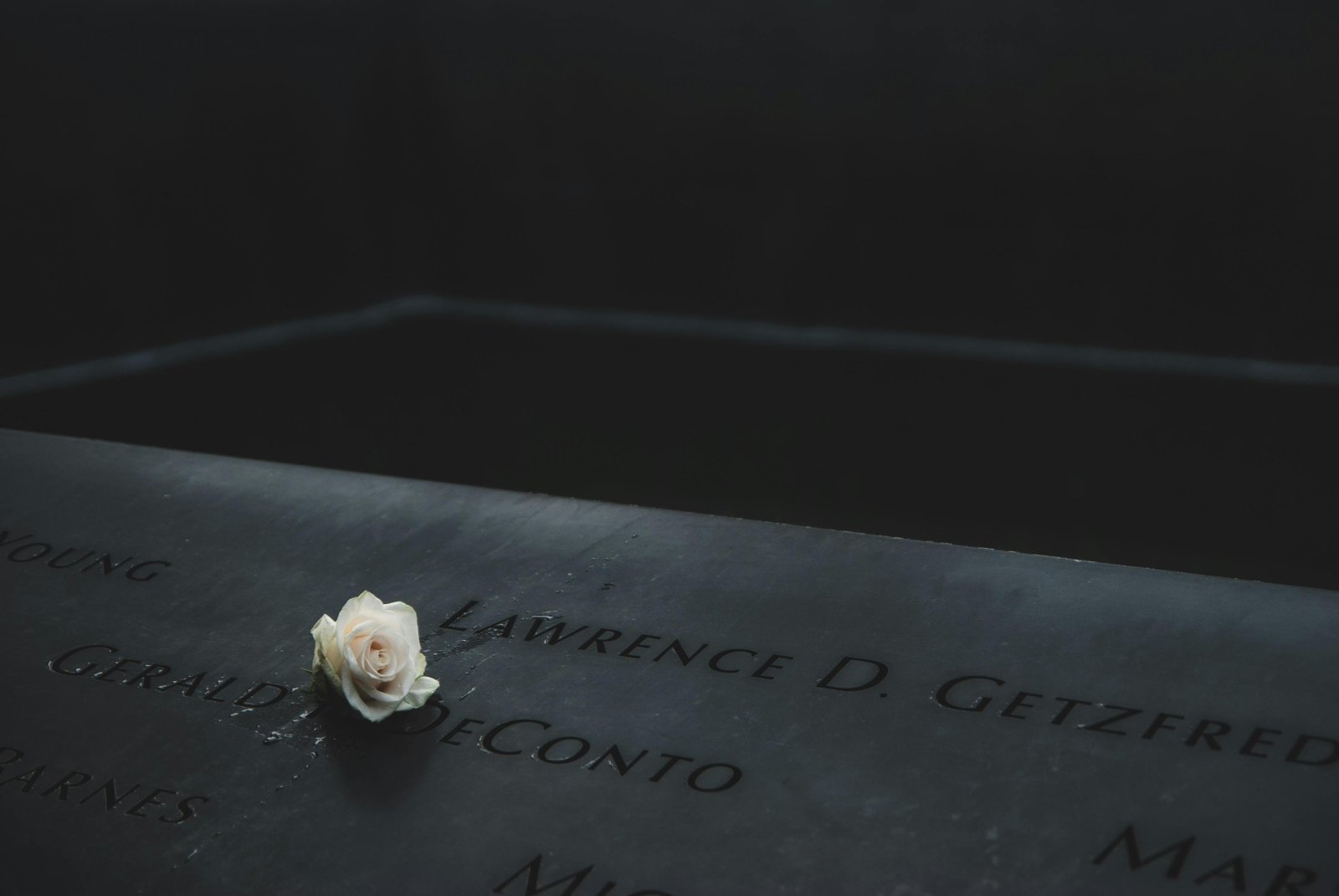
Urban redevelopment projects have long been a double-edged sword, promising progress and modernization while often displacing communities and erasing historical landmarks. When dictators get involved in urban redevelopment, the consequences can be even more severe, leading to widespread human rights abuses, corruption, and the destruction of cultural heritage. One of the most infamous examples of a dictator using urban redevelopment as a tool for control is the case of Nicolae Ceaușescu in Romania. In the 1980s, Ceaușescu embarked on a massive urban renewal project in Bucharest that involved demolishing historic neighborhoods to make way for grandiose civic buildings and monuments glorifying his regime. Thousands of people were forcibly evicted from their homes, and countless historic buildings were destroyed in the process. The result was a cityscape that bore little resemblance to its former self, with wide boulevards and imposing structures that served as a stark reminder of Ceaușescu's iron-fisted rule. In North Korea, dictator Kim Jong-un has also used urban redevelopment as a means of reinforcing his regime's grip on power. The capital city of Pyongyang has undergone extensive redevelopment in recent years, with gleaming new high-rise buildings and monuments sprouting up across the city. However, behind the facade of progress lies a darker reality of forced labor, mass evictions, and a complete disregard for the rights of the city's residents. Those who dare to speak out against the regime's redevelopment plans are swiftly punished, highlighting the brutal consequences of living under a dictator's rule. The tragedy of dictators' involvement in urban redevelopment lies not only in the physical destruction they leave in their wake but also in the impact on the lives of those who are displaced and marginalized in the process. Communities are torn apart, livelihoods are lost, and cultural heritage is erased, all in the name of bolstering a dictator's power and ego. As we reflect on the intersection of dictators, urban redevelopment, and tragedy, it serves as a stark reminder of the importance of upholding human rights, preserving cultural heritage, and ensuring that development projects are carried out with the best interests of communities at heart. Only then can we hope to prevent such tragedies from unfolding in the future and create cities that truly serve the needs of all their inhabitants.
https://desencadenar.org
https://constructional.org
Leave a Comment:
SEARCH
Recent News
- Zurich, Switzerland is a vibrant city known for its rich cultural scene and diverse music offerings. One unique aspect of Zurich's music scene is the presence of Sudanese music, which has found a home in the city's melting pot of cultures.
- Visiting Zurich, Switzerland, can be an enriching experience for music lovers from all corners of the world. While the city may not be the first place that comes to mind when thinking about South African music, Zurich's diverse music scene offers a glimpse into the vibrant sounds of this African nation.
- Zurich, Switzerland is a vibrant city known for its stunning architecture, picturesque landscapes, and rich culture. One aspect of Zurich's cultural scene that often goes under the radar is its regional music. The city and its surrounding areas are home to a diverse range of musical styles, reflecting the multiculturalism and artistic diversity of the region.
- Top 5 Zurich Regional Movies You Must Watch
- Zurich, Switzerland, is a vibrant city known for its stunning architecture, picturesque landscapes, and thriving cultural scene. In recent years, the city has also become a hub for film production, attracting filmmakers from around the world. Interestingly, a connection has emerged between Zurich and Paraguay through the medium of film.
- Zurich, Switzerland: Discovering the Vibrant Norwegian Music Scene
- Zurich - A Hub for Hungarian Films
- Zurich, Switzerland: A Hub for Estonian Music
READ MORE
8 months ago Category :

Zurich, Switzerland is a vibrant city known for its rich cultural scene and diverse music offerings. One unique aspect of Zurich's music scene is the presence of Sudanese music, which has found a home in the city's melting pot of cultures.
Read More →8 months ago Category :

Visiting Zurich, Switzerland, can be an enriching experience for music lovers from all corners of the world. While the city may not be the first place that comes to mind when thinking about South African music, Zurich's diverse music scene offers a glimpse into the vibrant sounds of this African nation.
Read More →8 months ago Category :

Zurich, Switzerland is a vibrant city known for its stunning architecture, picturesque landscapes, and rich culture. One aspect of Zurich's cultural scene that often goes under the radar is its regional music. The city and its surrounding areas are home to a diverse range of musical styles, reflecting the multiculturalism and artistic diversity of the region.
Read More →8 months ago Category :
