The Tragedy of Dictators in the Congo: A History of Oppression and Struggle
Category : | Sub Category : Posted on 2024-10-05 22:25:23
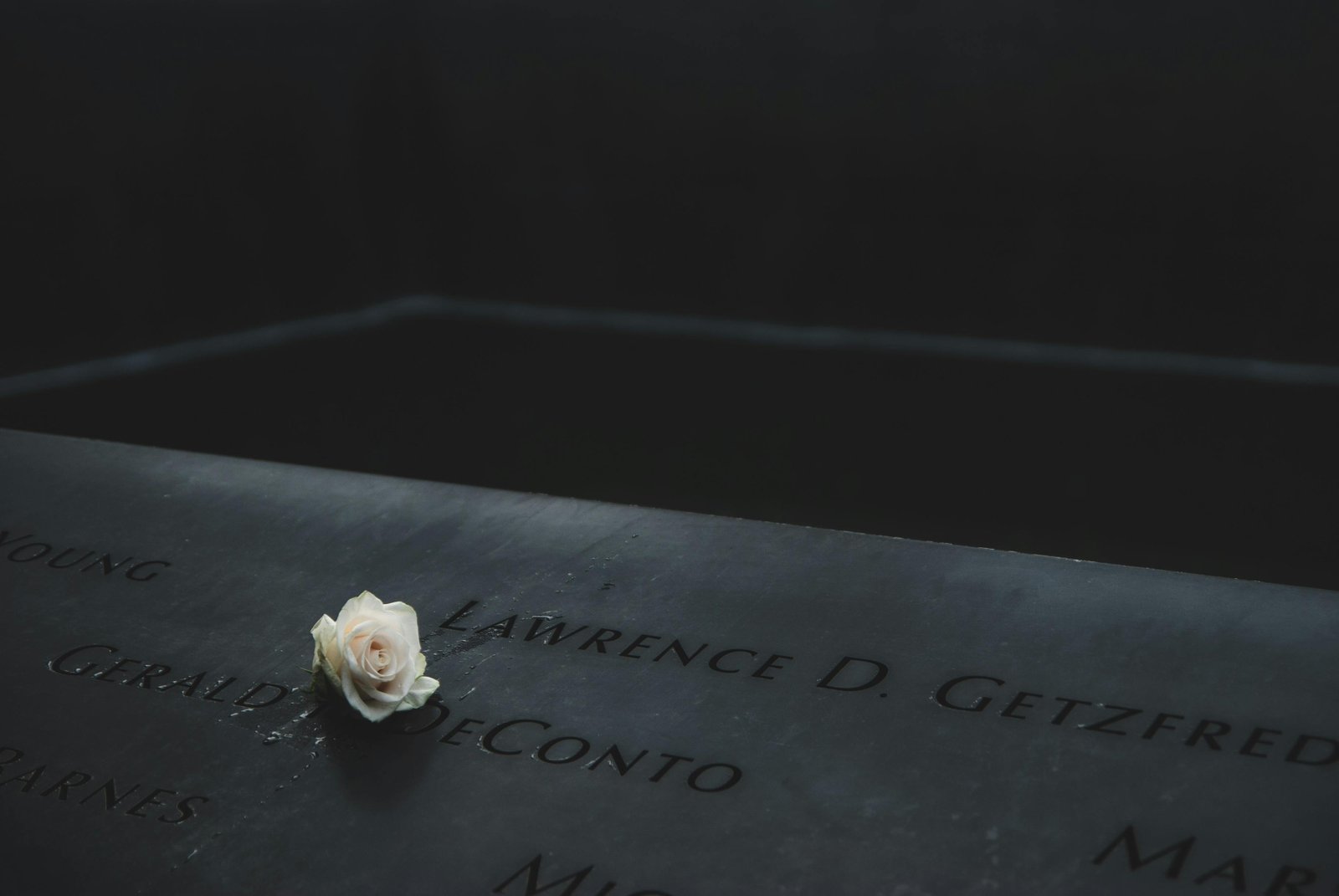
The Democratic Republic of the Congo, located in the heart of Africa, has a tumultuous history marked by periods of brutal dictatorship and political instability. From the colonial era to the present day, the Congolese people have endured the oppressive rule of numerous dictators, each leaving a legacy of suffering and tragedy in their wake. One of the most notorious dictators in Congolese history was Mobutu Sese Seko, who ruled the country for over three decades from 1965 to 1997. Mobutu's regime was characterized by corruption, human rights abuses, and a cult of personality that enriched himself and his inner circle at the expense of the Congolese people. Under his rule, the country's economy stagnated, infrastructure decayed, and political dissent was ruthlessly suppressed. The legacy of Mobutu's dictatorship continues to haunt the Congo to this day, as the country grapples with the aftermath of decades of misrule and neglect. The impact of his regime is evident in the ongoing cycle of violence, poverty, and political instability that has plagued the nation for generations. Following Mobutu's ouster in 1997, the Congo descended into a period of even greater turmoil, with various rebel groups and warlords vying for power and control over the country's vast mineral wealth. The Second Congo War, which lasted from 1998 to 2003, remains one of the deadliest conflicts since World War II, resulting in millions of deaths and widespread displacement of civilians. In recent years, the Congo has made some progress towards stability and democracy, with the holding of democratic elections and the peaceful transfer of power. However, the legacy of dictatorial rule continues to cast a long shadow over the country, as endemic corruption, human rights abuses, and political repression persist. Despite the challenges that the Congo has faced, the resilience and strength of the Congolese people are evident in their ongoing struggle for a better future. Through their perseverance and determination, the people of the Congo continue to strive for a society that is free from the grip of dictators and characterized by justice, peace, and prosperity for all. In conclusion, the tragedy of dictators in the Congo is a stark reminder of the devastating impact that oppressive rule can have on a nation and its people. Only through a commitment to democracy, human rights, and good governance can the Congo hope to break free from the cycle of tyranny and build a brighter future for generations to come.
Leave a Comment:
SEARCH
Recent News
- Zurich, Switzerland is a vibrant city known for its rich cultural scene and diverse music offerings. One unique aspect of Zurich's music scene is the presence of Sudanese music, which has found a home in the city's melting pot of cultures.
- Visiting Zurich, Switzerland, can be an enriching experience for music lovers from all corners of the world. While the city may not be the first place that comes to mind when thinking about South African music, Zurich's diverse music scene offers a glimpse into the vibrant sounds of this African nation.
- Zurich, Switzerland is a vibrant city known for its stunning architecture, picturesque landscapes, and rich culture. One aspect of Zurich's cultural scene that often goes under the radar is its regional music. The city and its surrounding areas are home to a diverse range of musical styles, reflecting the multiculturalism and artistic diversity of the region.
- Top 5 Zurich Regional Movies You Must Watch
- Zurich, Switzerland, is a vibrant city known for its stunning architecture, picturesque landscapes, and thriving cultural scene. In recent years, the city has also become a hub for film production, attracting filmmakers from around the world. Interestingly, a connection has emerged between Zurich and Paraguay through the medium of film.
- Zurich, Switzerland: Discovering the Vibrant Norwegian Music Scene
- Zurich - A Hub for Hungarian Films
- Zurich, Switzerland: A Hub for Estonian Music
READ MORE
8 months ago Category :

Zurich, Switzerland is a vibrant city known for its rich cultural scene and diverse music offerings. One unique aspect of Zurich's music scene is the presence of Sudanese music, which has found a home in the city's melting pot of cultures.
Read More →8 months ago Category :

Visiting Zurich, Switzerland, can be an enriching experience for music lovers from all corners of the world. While the city may not be the first place that comes to mind when thinking about South African music, Zurich's diverse music scene offers a glimpse into the vibrant sounds of this African nation.
Read More →8 months ago Category :

Zurich, Switzerland is a vibrant city known for its stunning architecture, picturesque landscapes, and rich culture. One aspect of Zurich's cultural scene that often goes under the radar is its regional music. The city and its surrounding areas are home to a diverse range of musical styles, reflecting the multiculturalism and artistic diversity of the region.
Read More →8 months ago Category :
