The Tragic Architecture of Dictators: A Reflection on Power and Hubris
Category : | Sub Category : Posted on 2024-10-05 22:25:23
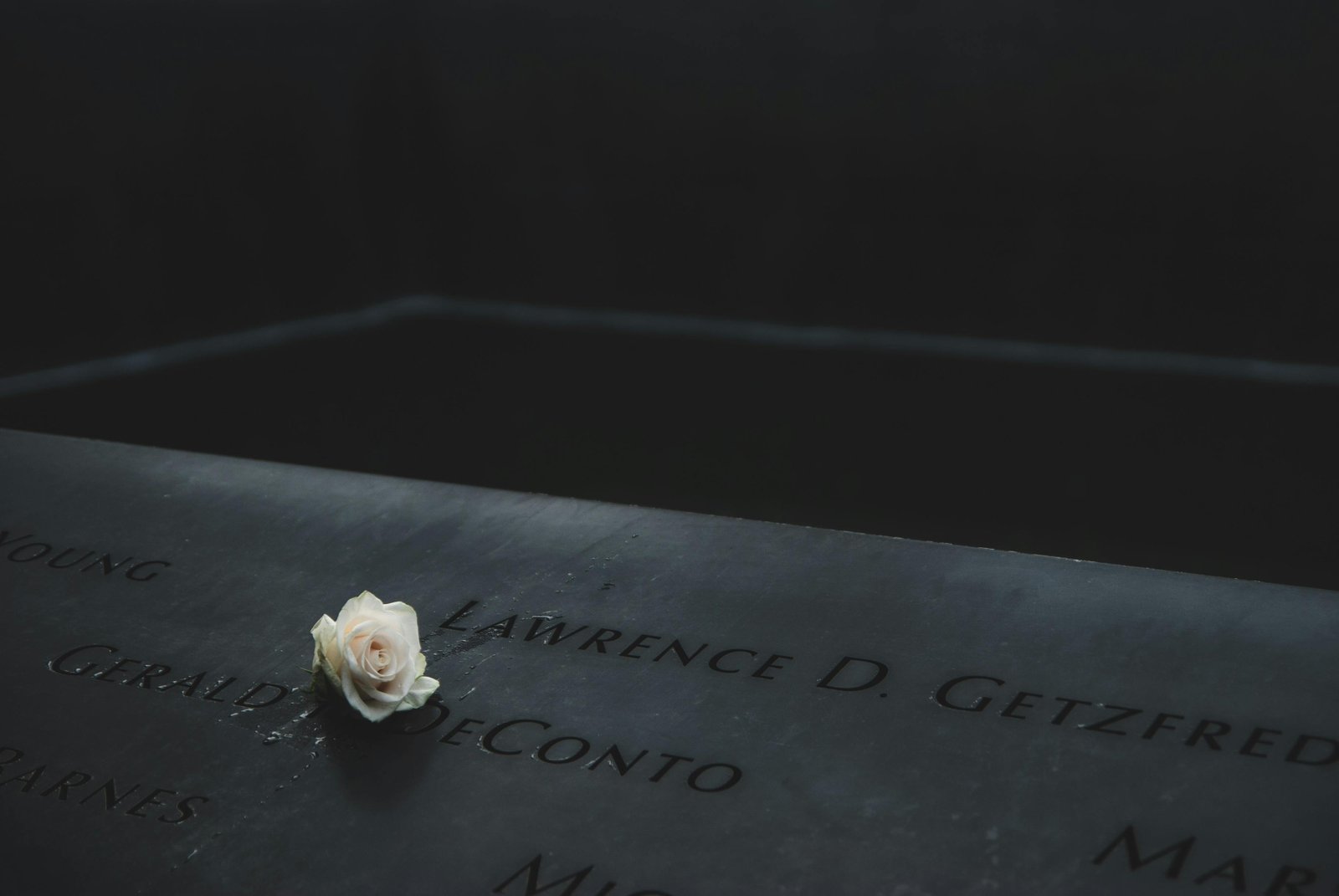
Architecture has long been a tool for dictators to assert their power, leaving behind a legacy that reflects their reign. The imposing structures, extravagant palaces, and grandiose monuments built by dictators around the world stand as testaments to their ambition and ego. However, beyond the facade of grandeur lies a deeper tragedy – the cost of human suffering, oppression, and destruction that often accompanies these architectural feats. One of the most infamous examples of dictatorial architecture is the Palace of the Parliament in Bucharest, Romania. Commissioned by the former Romanian dictator Nicolae Ceausescu, this massive building is a symbol of his megalomania and the brutal regime he led. The construction of the palace required the destruction of an entire historic district and the displacement of thousands of residents, all to make way for Ceausescu's vision of grandeur. In North Korea, the Ryugyong Hotel looms like a ghostly reminder of the regime of Kim Jong-il. This colossal, unfinished hotel stands as a symbol of the country's isolation and economic hardship, a stark contrast to the propaganda images of a prosperous and powerful nation. The project drained the country's already scarce resources and left a scar on the Pyongyang skyline. Another example can be found in Iraq, where Saddam Hussein's penchant for opulent architecture is exemplified by the Victory Over America Palace in Baghdad. This sprawling complex was built to celebrate Iraq's victory in the Gulf War but now stands as a haunting reminder of a dictator's delusions of grandeur and the devastation wrought by his regime. These architectural monstrosities serve as sobering reminders of the dark side of unchecked power and the tragedy that often accompanies dictatorial rule. The grandiosity of these structures stands in stark contrast to the suffering of the people they oppressed and the resources they wasted. They are a testament to the hubris of dictators who believed themselves invincible, only to be brought down by their own arrogance. As we reflect on the tragic architecture of dictators, we are reminded of the importance of holding those in power accountable and ensuring that the legacy they leave behind is one of justice and dignity, rather than oppression and megalomania. Architecture should be a reflection of the values and aspirations of a society, not a tool for autocrats to impose their will on the people. The ruins of dictators' palaces stand as cautionary tales for future generations, urging us to remain vigilant against tyranny and to strive for a world where power is wielded responsibly and with compassion.
Leave a Comment:
SEARCH
Recent News
- Zurich, Switzerland is a vibrant city known for its rich cultural scene and diverse music offerings. One unique aspect of Zurich's music scene is the presence of Sudanese music, which has found a home in the city's melting pot of cultures.
- Visiting Zurich, Switzerland, can be an enriching experience for music lovers from all corners of the world. While the city may not be the first place that comes to mind when thinking about South African music, Zurich's diverse music scene offers a glimpse into the vibrant sounds of this African nation.
- Zurich, Switzerland is a vibrant city known for its stunning architecture, picturesque landscapes, and rich culture. One aspect of Zurich's cultural scene that often goes under the radar is its regional music. The city and its surrounding areas are home to a diverse range of musical styles, reflecting the multiculturalism and artistic diversity of the region.
- Top 5 Zurich Regional Movies You Must Watch
- Zurich, Switzerland, is a vibrant city known for its stunning architecture, picturesque landscapes, and thriving cultural scene. In recent years, the city has also become a hub for film production, attracting filmmakers from around the world. Interestingly, a connection has emerged between Zurich and Paraguay through the medium of film.
- Zurich, Switzerland: Discovering the Vibrant Norwegian Music Scene
- Zurich - A Hub for Hungarian Films
- Zurich, Switzerland: A Hub for Estonian Music
READ MORE
8 months ago Category :

Zurich, Switzerland is a vibrant city known for its rich cultural scene and diverse music offerings. One unique aspect of Zurich's music scene is the presence of Sudanese music, which has found a home in the city's melting pot of cultures.
Read More →8 months ago Category :

Visiting Zurich, Switzerland, can be an enriching experience for music lovers from all corners of the world. While the city may not be the first place that comes to mind when thinking about South African music, Zurich's diverse music scene offers a glimpse into the vibrant sounds of this African nation.
Read More →8 months ago Category :

Zurich, Switzerland is a vibrant city known for its stunning architecture, picturesque landscapes, and rich culture. One aspect of Zurich's cultural scene that often goes under the radar is its regional music. The city and its surrounding areas are home to a diverse range of musical styles, reflecting the multiculturalism and artistic diversity of the region.
Read More →8 months ago Category :
