The Tragedy of Dictators in Rwanda: Remembering the Dark Past
Category : | Sub Category : Posted on 2024-10-05 22:25:23
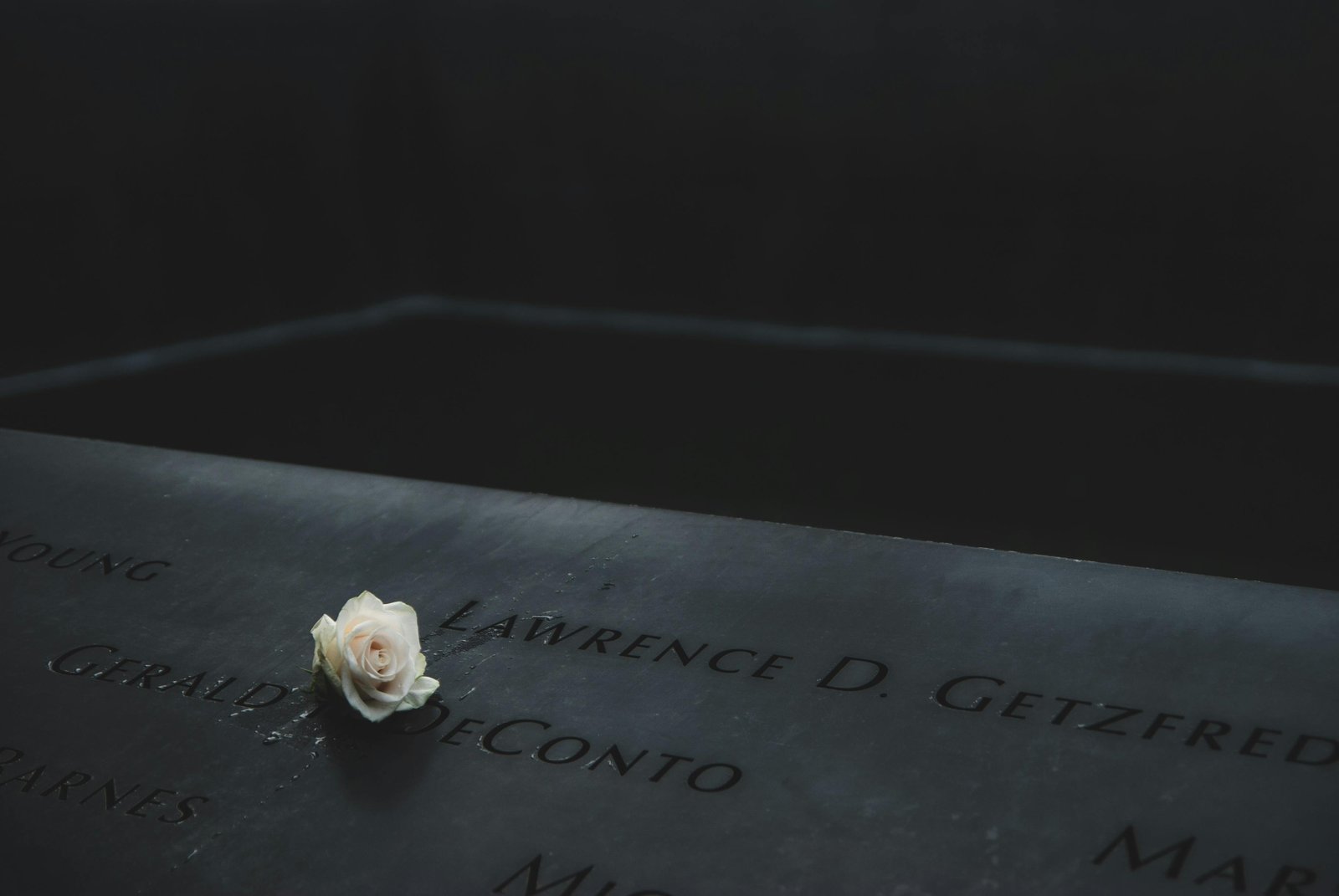
In the heart of Africa lies a country with a tumultuous and tragic history - Rwanda. The central African nation was once torn apart by one of the most brutal events in modern history - the Rwandan Genocide of 1994. At the center of this tragedy were dictators who fueled ethnic tensions, manipulated power, and ultimately led to the loss of hundreds of thousands of lives. The seeds of the Rwandan Genocide were sown during the colonial era when Belgium ruled over the territory and fostered divisions between the Hutu and Tutsi ethnic groups. This division continued to simmer under the surface even after Rwanda gained independence in 1962. The country saw a series of dictators come to power, each one exacerbating the ethnic tensions for their own political gain. Juvenal Habyarimana, who came to power in a coup in 1973, ruled Rwanda with an iron fist for over two decades. Habyarimana's regime propagated discriminatory policies against the Tutsi minority, further deepening the divide between the two ethnic groups. When his regime began to falter in the early 1990s, extremist Hutu politicians and military leaders seized the opportunity to stoke ethnic hatred and plan for the extermination of the Tutsi population. On April 6, 1994, Habyarimana's plane was shot down, sparking the beginning of the Rwandan Genocide. In the following months, Hutu extremists, with the support of elements within the government and military, carried out a brutal campaign of violence and mass killings targeted at the Tutsi population. The international community stood by, watching in horror as hundreds of thousands of innocent men, women, and children were slaughtered in a systematic and organized manner. The legacy of the dictators in Rwanda and the tragedy they unleashed in 1994 continue to haunt the country to this day. The scars of the genocide are still fresh, and the wounds run deep in the hearts of the survivors and the nation as a whole. Rwanda has made significant strides in healing and reconciliation since those dark days, but the memory of the atrocities committed under the rule of dictators serves as a stark reminder of the dangers of unchecked power and ethnic division. As we reflect on the tragedy of dictators in Rwanda, we must never forget the importance of vigilance against authoritarianism, the dangers of political manipulation based on ethnicity, and the need for strong institutions to prevent such horrors from happening again. The Rwandan Genocide stands as a somber reminder of the darkest depths to which humanity can sink when power is abused and hatred is allowed to fester. Let us remember the victims, honor their memory, and strive to build a world where such atrocities are never repeated.
Leave a Comment:
SEARCH
Recent News
- Zurich, Switzerland is a vibrant city known for its rich cultural scene and diverse music offerings. One unique aspect of Zurich's music scene is the presence of Sudanese music, which has found a home in the city's melting pot of cultures.
- Visiting Zurich, Switzerland, can be an enriching experience for music lovers from all corners of the world. While the city may not be the first place that comes to mind when thinking about South African music, Zurich's diverse music scene offers a glimpse into the vibrant sounds of this African nation.
- Zurich, Switzerland is a vibrant city known for its stunning architecture, picturesque landscapes, and rich culture. One aspect of Zurich's cultural scene that often goes under the radar is its regional music. The city and its surrounding areas are home to a diverse range of musical styles, reflecting the multiculturalism and artistic diversity of the region.
- Top 5 Zurich Regional Movies You Must Watch
- Zurich, Switzerland, is a vibrant city known for its stunning architecture, picturesque landscapes, and thriving cultural scene. In recent years, the city has also become a hub for film production, attracting filmmakers from around the world. Interestingly, a connection has emerged between Zurich and Paraguay through the medium of film.
- Zurich, Switzerland: Discovering the Vibrant Norwegian Music Scene
- Zurich - A Hub for Hungarian Films
- Zurich, Switzerland: A Hub for Estonian Music
READ MORE
8 months ago Category :

Zurich, Switzerland is a vibrant city known for its rich cultural scene and diverse music offerings. One unique aspect of Zurich's music scene is the presence of Sudanese music, which has found a home in the city's melting pot of cultures.
Read More →8 months ago Category :

Visiting Zurich, Switzerland, can be an enriching experience for music lovers from all corners of the world. While the city may not be the first place that comes to mind when thinking about South African music, Zurich's diverse music scene offers a glimpse into the vibrant sounds of this African nation.
Read More →8 months ago Category :

Zurich, Switzerland is a vibrant city known for its stunning architecture, picturesque landscapes, and rich culture. One aspect of Zurich's cultural scene that often goes under the radar is its regional music. The city and its surrounding areas are home to a diverse range of musical styles, reflecting the multiculturalism and artistic diversity of the region.
Read More →8 months ago Category :
