Dictators and the Tragedy of Public Relations
Category : | Sub Category : Posted on 2024-10-05 22:25:23
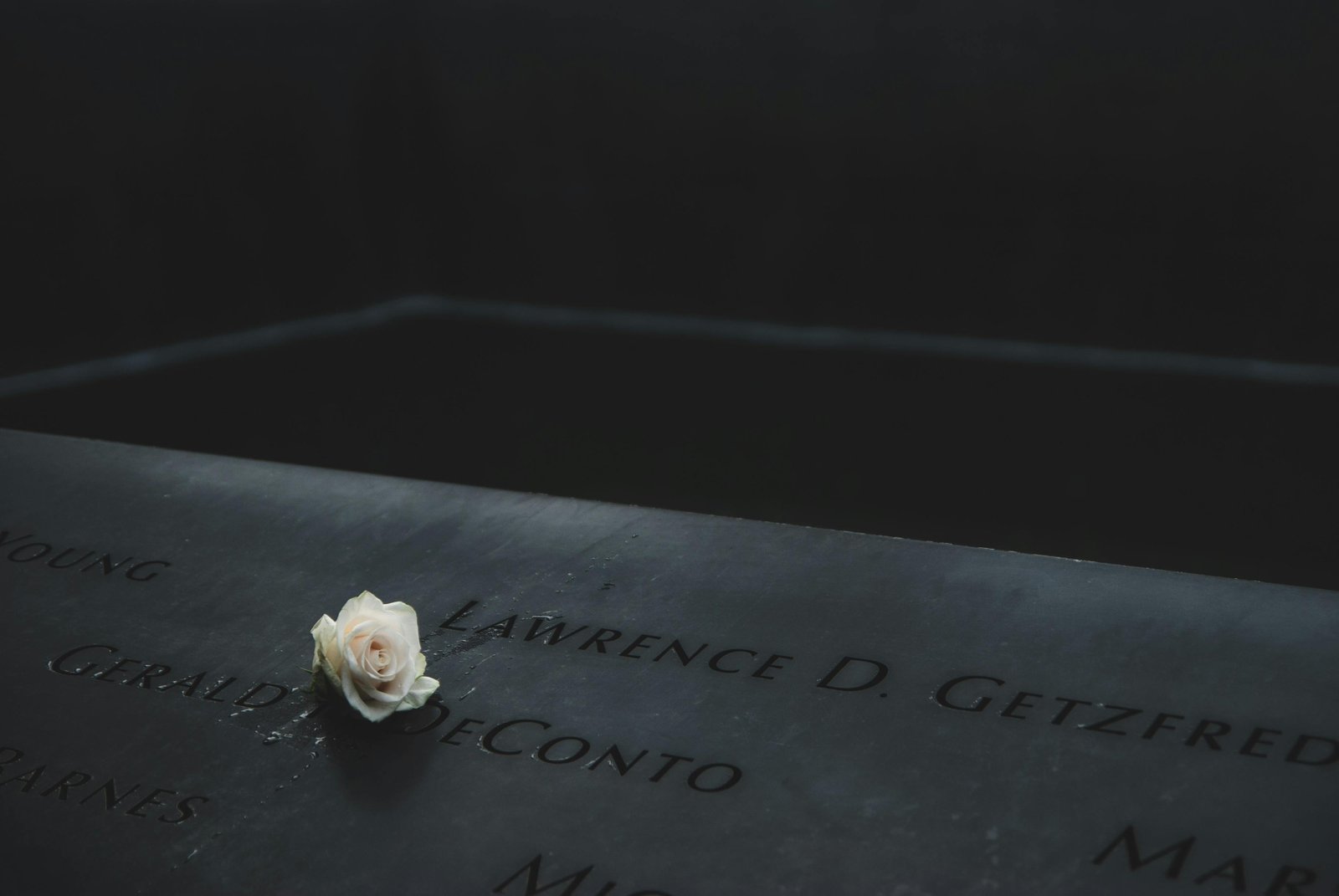
Public relations play a crucial role in shaping the public image and reputations of individuals, organizations, and even entire nations. For dictators, effective public relations could mean the difference between survival and downfall. However, history is replete with examples of dictators whose public relations efforts ultimately led to their tragic ends. One of the most infamous dictators in history, Adolf Hitler, mastered the art of propaganda to cultivate a cult of personality around himself. Through carefully crafted speeches, images, and rallies, Hitler was able to sway the minds of millions of Germans and maintain public support for his brutal regime. However, his extreme authoritarianism, anti-Semitic policies, and aggressive expansionism eventually brought about his downfall and the devastation of World War II. Another dictator known for his public relations prowess was Joseph Stalin. Stalin effectively used propaganda to consolidate his power, eliminate dissent, and glorify his leadership. The cult of personality surrounding Stalin silenced opposition and promoted a narrative of him as the benevolent father of the Soviet Union. However, the brutal purges, forced collectivization, and atrocities committed under his rule tarnished his legacy and left a tragic mark on Soviet history. In more recent times, Muammar Gaddafi of Libya attempted to bolster his international image through public relations campaigns that portrayed him as a progressive leader and champion of African unity. Despite his efforts to rebrand himself, Gaddafi's oppressive regime, human rights abuses, and support for terrorism cast a dark shadow over his leadership. The Arab Spring uprising in 2011 ultimately led to Gaddafi's ousting and death, highlighting the fleeting nature of dictators who fail to address the grievances of their people. Ultimately, the tragedy of dictators and public relations lies in the disconnect between perception and reality. While some dictators may successfully manipulate their public image for a time, their oppressive actions and disregard for human rights inevitably catch up with them. In a world where information spreads rapidly and dissent cannot be silenced indefinitely, dictators must reckon with the consequences of their actions, no matter how carefully orchestrated their public relations may be. In conclusion, the stories of dictators and their tragic public relations efforts serve as cautionary tales of the dangers of unchecked power and the importance of accountability. As history continues to unfold, it is essential to remember the lessons learned from the past and to remain vigilant against the rise of tyranny in all its forms.
Leave a Comment:
SEARCH
Recent News
- Zurich, Switzerland is a vibrant city known for its rich cultural scene and diverse music offerings. One unique aspect of Zurich's music scene is the presence of Sudanese music, which has found a home in the city's melting pot of cultures.
- Visiting Zurich, Switzerland, can be an enriching experience for music lovers from all corners of the world. While the city may not be the first place that comes to mind when thinking about South African music, Zurich's diverse music scene offers a glimpse into the vibrant sounds of this African nation.
- Zurich, Switzerland is a vibrant city known for its stunning architecture, picturesque landscapes, and rich culture. One aspect of Zurich's cultural scene that often goes under the radar is its regional music. The city and its surrounding areas are home to a diverse range of musical styles, reflecting the multiculturalism and artistic diversity of the region.
- Top 5 Zurich Regional Movies You Must Watch
- Zurich, Switzerland, is a vibrant city known for its stunning architecture, picturesque landscapes, and thriving cultural scene. In recent years, the city has also become a hub for film production, attracting filmmakers from around the world. Interestingly, a connection has emerged between Zurich and Paraguay through the medium of film.
- Zurich, Switzerland: Discovering the Vibrant Norwegian Music Scene
- Zurich - A Hub for Hungarian Films
- Zurich, Switzerland: A Hub for Estonian Music
READ MORE
8 months ago Category :

Zurich, Switzerland is a vibrant city known for its rich cultural scene and diverse music offerings. One unique aspect of Zurich's music scene is the presence of Sudanese music, which has found a home in the city's melting pot of cultures.
Read More →8 months ago Category :

Visiting Zurich, Switzerland, can be an enriching experience for music lovers from all corners of the world. While the city may not be the first place that comes to mind when thinking about South African music, Zurich's diverse music scene offers a glimpse into the vibrant sounds of this African nation.
Read More →8 months ago Category :

Zurich, Switzerland is a vibrant city known for its stunning architecture, picturesque landscapes, and rich culture. One aspect of Zurich's cultural scene that often goes under the radar is its regional music. The city and its surrounding areas are home to a diverse range of musical styles, reflecting the multiculturalism and artistic diversity of the region.
Read More →8 months ago Category :
