The Great Lisbon Earthquake of 1755 is a tragedy that forever changed the landscape and history of the city of Lisbon, Portugal. Occurring on the morning of All Saints' Day, on November 1, 1755, the earthquake, estimated to have a magnitude of 8.5 to 9.0, caused widespread destruction and loss of life.
Category : | Sub Category : Posted on 2024-10-05 22:25:23
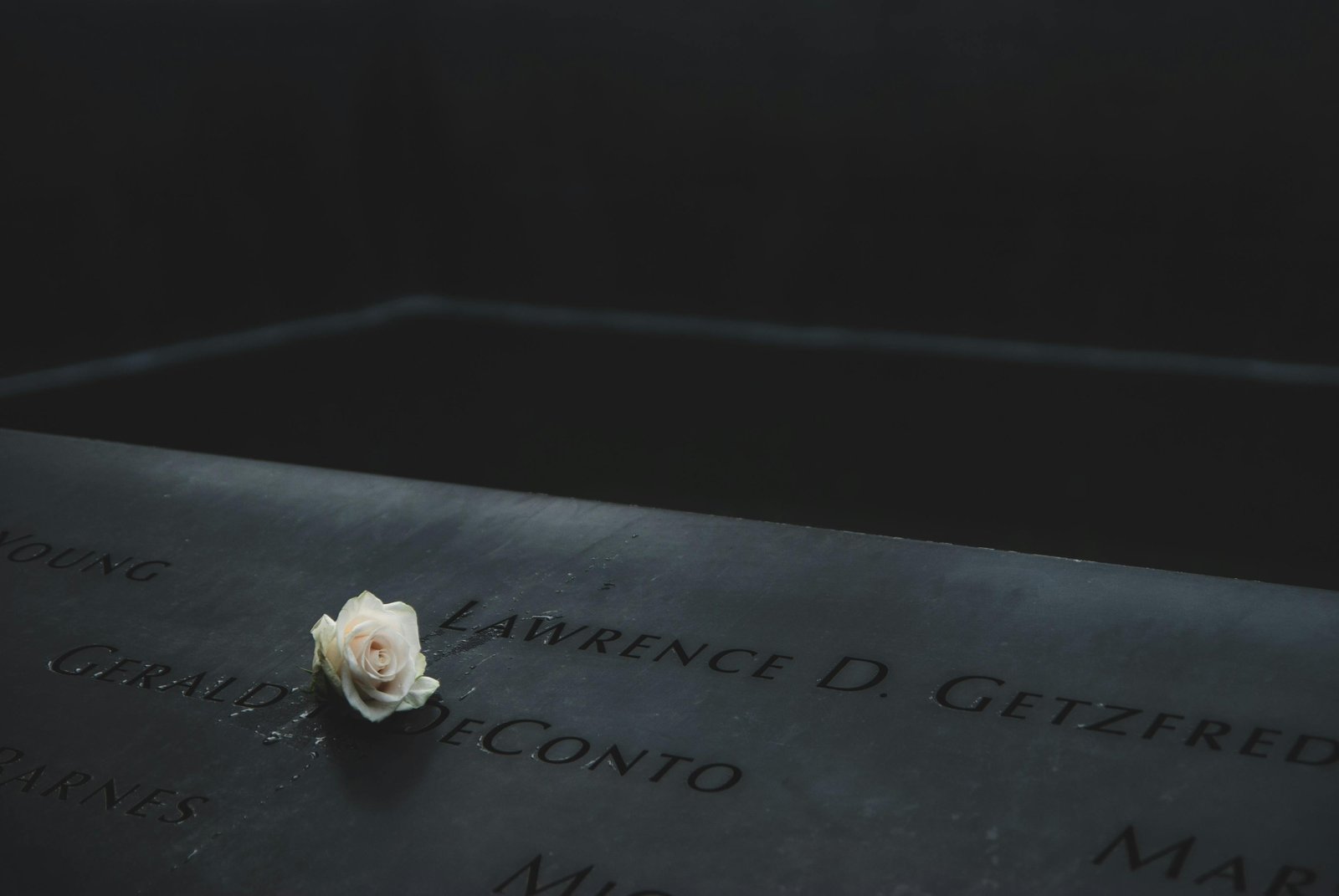
The earthquake struck around 9:40 AM, toppling buildings, churches, and homes throughout the city. The initial shaking was followed by a series of tsunamis that ravaged the coastal areas, causing further devastation. To make matters worse, fires broke out in the aftermath of the disaster, fueled by the many candles lit for the holiday, burning large parts of the city to the ground. The death toll from the earthquake, tsunamis, and fires is estimated to be between 10,000 and 100,000 people, making it one of the deadliest natural disasters in recorded history. The city was left in ruins, with iconic landmarks such as the Royal Ribeira Palace and the Carmo Convent reduced to rubble. In the wake of the tragedy, Lisbon embarked on a massive reconstruction effort, guided by the principles of urban planning and architecture that laid the foundation for modern city planning. The Marquis of Pombal, the prime minister of Portugal at the time, oversaw the rebuilding of Lisbon with an emphasis on seismic resilience and safety. The new city design included wider streets, open squares, and sturdy buildings made of stone and brick to withstand future earthquakes. The Great Lisbon Earthquake of 1755 serves as a somber reminder of the power of nature and the importance of disaster preparedness. The tragedy sparked debates on theology, philosophy, and natural science in Europe, leading to advancements in seismology and the study of earthquakes. Today, visitors to Lisbon can still see remnants of the tragedy in the form of historic landmarks and archaeological sites that bear witness to the city's resilience and determination to rise from the ashes. The memory of the Great Lisbon Earthquake lives on as a testament to the human spirit in the face of adversity and the enduring legacy of a city reborn from tragedy.
Leave a Comment:
SEARCH
Recent News
- Zurich, Switzerland is a vibrant city known for its rich cultural scene and diverse music offerings. One unique aspect of Zurich's music scene is the presence of Sudanese music, which has found a home in the city's melting pot of cultures.
- Visiting Zurich, Switzerland, can be an enriching experience for music lovers from all corners of the world. While the city may not be the first place that comes to mind when thinking about South African music, Zurich's diverse music scene offers a glimpse into the vibrant sounds of this African nation.
- Zurich, Switzerland is a vibrant city known for its stunning architecture, picturesque landscapes, and rich culture. One aspect of Zurich's cultural scene that often goes under the radar is its regional music. The city and its surrounding areas are home to a diverse range of musical styles, reflecting the multiculturalism and artistic diversity of the region.
- Top 5 Zurich Regional Movies You Must Watch
- Zurich, Switzerland, is a vibrant city known for its stunning architecture, picturesque landscapes, and thriving cultural scene. In recent years, the city has also become a hub for film production, attracting filmmakers from around the world. Interestingly, a connection has emerged between Zurich and Paraguay through the medium of film.
- Zurich, Switzerland: Discovering the Vibrant Norwegian Music Scene
- Zurich - A Hub for Hungarian Films
- Zurich, Switzerland: A Hub for Estonian Music
READ MORE
8 months ago Category :

Zurich, Switzerland is a vibrant city known for its rich cultural scene and diverse music offerings. One unique aspect of Zurich's music scene is the presence of Sudanese music, which has found a home in the city's melting pot of cultures.
Read More →8 months ago Category :

Visiting Zurich, Switzerland, can be an enriching experience for music lovers from all corners of the world. While the city may not be the first place that comes to mind when thinking about South African music, Zurich's diverse music scene offers a glimpse into the vibrant sounds of this African nation.
Read More →8 months ago Category :

Zurich, Switzerland is a vibrant city known for its stunning architecture, picturesque landscapes, and rich culture. One aspect of Zurich's cultural scene that often goes under the radar is its regional music. The city and its surrounding areas are home to a diverse range of musical styles, reflecting the multiculturalism and artistic diversity of the region.
Read More →8 months ago Category :
