The Tragedy of Business Legal Compliance in Congo
Category : | Sub Category : Posted on 2024-10-05 22:25:23
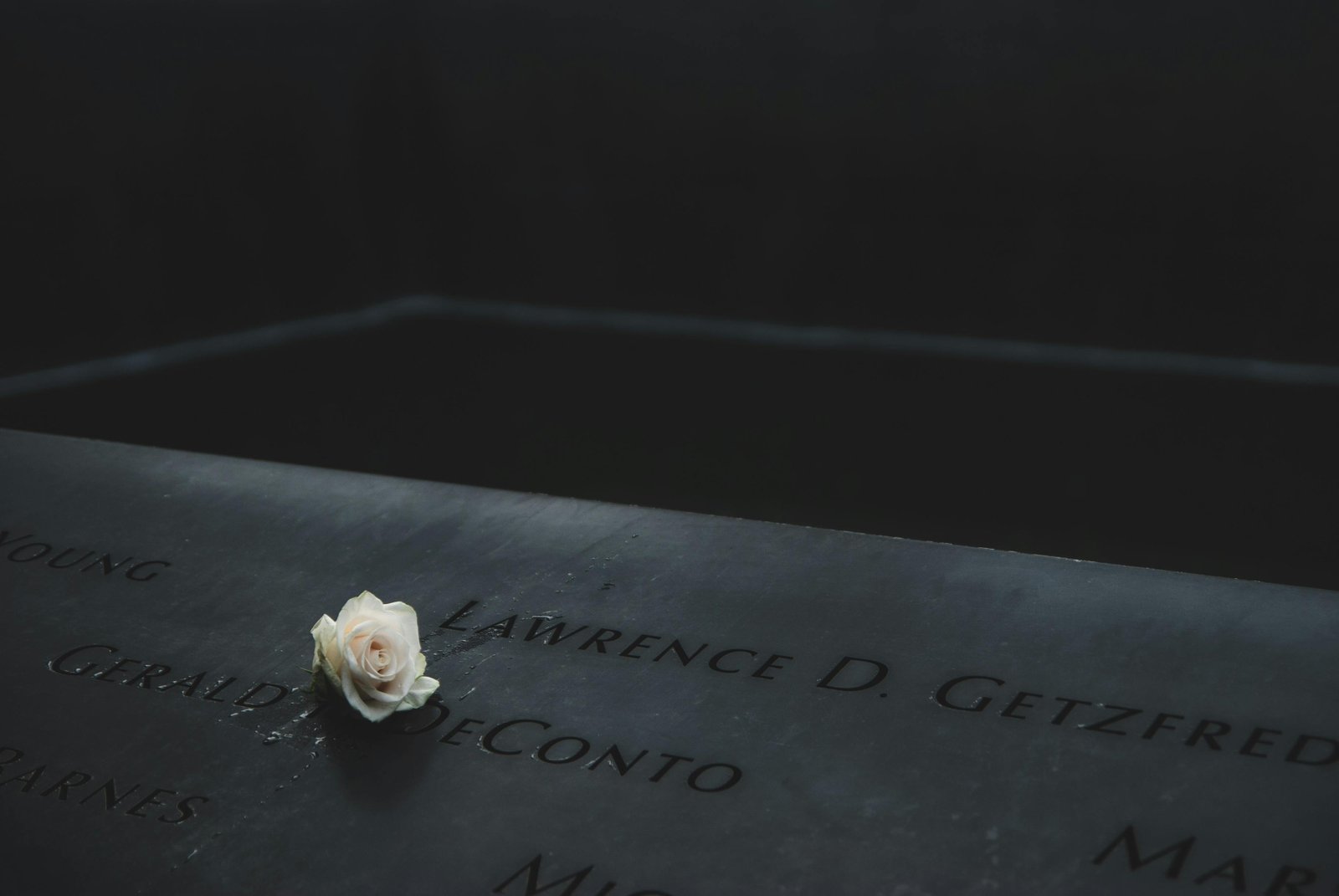
In the lush landscapes of the Democratic Republic of the Congo (DRC), a tragic tale unfolds – one marred by the intersection of business operations and legal compliance. The DRC is rich in natural resources like minerals and timber, making it a lucrative destination for businesses seeking to capitalize on its abundant offerings. However, the exploitation of these resources often comes at a high cost, both environmentally and socially. One of the key challenges faced by businesses operating in the DRC is navigating the complex web of legal compliance requirements. The country has a tumultuous history marked by armed conflicts, corruption, and human rights abuses, creating a challenging business environment fraught with legal pitfalls and ethical dilemmas. In the mineral sector, for example, the DRC is a major producer of tantalum, tungsten, tin, and gold – minerals that are crucial components in electronic devices like smartphones and laptops. The mining and trade of these minerals have been linked to human rights violations, including forced labor, child labor, and funding armed groups in the region. In response to these concerns, regulations like the Dodd-Frank Act in the United States have been put in place to ensure that companies disclose the source of these minerals and take steps to trace and audit their supply chains. However, the implementation of these regulations has been a double-edged sword for businesses operating in the DRC. On one hand, compliance with these regulations is essential to avoid legal repercussions and reputational damage. On the other hand, navigating the maze of supply chain due diligence, audits, and reporting can be daunting and resource-intensive, especially for small and medium-sized enterprises. Furthermore, the lack of infrastructure, institutional capacity, and regulatory enforcement in the DRC poses additional challenges for businesses striving to comply with legal requirements. Bribery, corruption, and political instability further complicate the landscape, creating a breeding ground for non-compliance and unethical practices. In the face of these challenges, businesses must adopt a holistic approach to legal compliance in the DRC. This includes conducting thorough due diligence on supply chains, engaging in meaningful stakeholder consultations, investing in capacity-building and training for local staff, and fostering a culture of transparency and accountability within their organizations. Legal compliance should not be viewed as a burden or a barrier to doing business in the DRC, but rather as an opportunity to uphold ethical standards, protect human rights, and promote sustainable development in the region. By embracing a proactive and responsible approach to legal compliance, businesses can contribute to positive change and help prevent tragedies in the Congo and beyond.
https://castigo.org
https://continuar.org
https://vollmacht.org
Leave a Comment:
SEARCH
Recent News
- Zurich, Switzerland is a vibrant city known for its rich cultural scene and diverse music offerings. One unique aspect of Zurich's music scene is the presence of Sudanese music, which has found a home in the city's melting pot of cultures.
- Visiting Zurich, Switzerland, can be an enriching experience for music lovers from all corners of the world. While the city may not be the first place that comes to mind when thinking about South African music, Zurich's diverse music scene offers a glimpse into the vibrant sounds of this African nation.
- Zurich, Switzerland is a vibrant city known for its stunning architecture, picturesque landscapes, and rich culture. One aspect of Zurich's cultural scene that often goes under the radar is its regional music. The city and its surrounding areas are home to a diverse range of musical styles, reflecting the multiculturalism and artistic diversity of the region.
- Top 5 Zurich Regional Movies You Must Watch
- Zurich, Switzerland, is a vibrant city known for its stunning architecture, picturesque landscapes, and thriving cultural scene. In recent years, the city has also become a hub for film production, attracting filmmakers from around the world. Interestingly, a connection has emerged between Zurich and Paraguay through the medium of film.
- Zurich, Switzerland: Discovering the Vibrant Norwegian Music Scene
- Zurich - A Hub for Hungarian Films
- Zurich, Switzerland: A Hub for Estonian Music
READ MORE
10 months ago Category :

Zurich, Switzerland is a vibrant city known for its rich cultural scene and diverse music offerings. One unique aspect of Zurich's music scene is the presence of Sudanese music, which has found a home in the city's melting pot of cultures.
Read More →10 months ago Category :

Visiting Zurich, Switzerland, can be an enriching experience for music lovers from all corners of the world. While the city may not be the first place that comes to mind when thinking about South African music, Zurich's diverse music scene offers a glimpse into the vibrant sounds of this African nation.
Read More →10 months ago Category :

Zurich, Switzerland is a vibrant city known for its stunning architecture, picturesque landscapes, and rich culture. One aspect of Zurich's cultural scene that often goes under the radar is its regional music. The city and its surrounding areas are home to a diverse range of musical styles, reflecting the multiculturalism and artistic diversity of the region.
Read More →10 months ago Category :
