Exploring Tragic Themes in Nigerian Literature
Category : | Sub Category : Posted on 2024-10-05 22:25:23
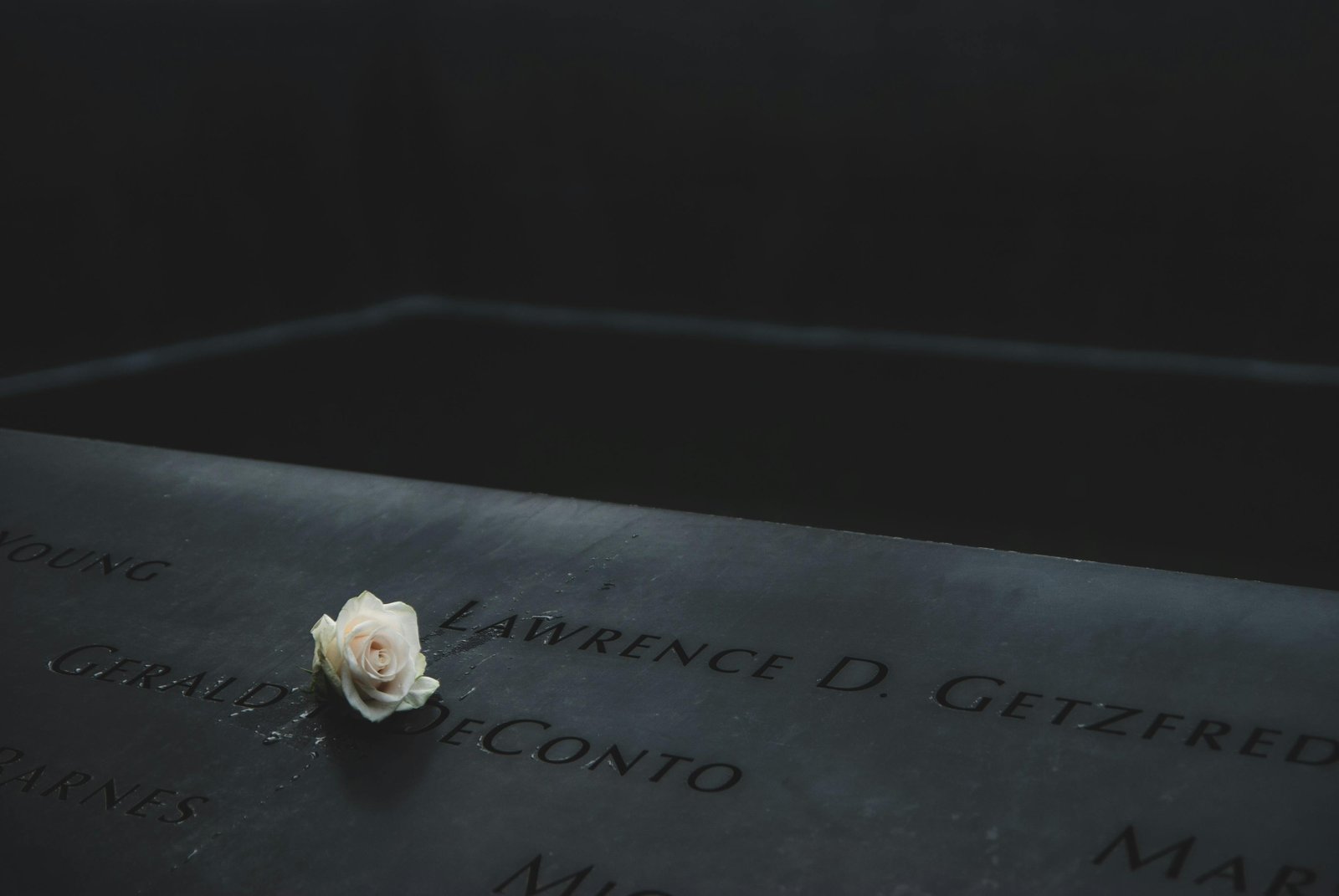
Nigeria, a country rich in culture and diversity, has produced many talented writers whose works delve into the depths of human emotion, including themes of tragedy. In Nigerian literature, tragedy is a common motif that reflects the harsh realities of life, societal issues, and historical events. Today, we will explore how Nigerian authors have skillfully woven tales of tragedy into their works, providing poignant insights into the human condition. One prominent example of a tragic novel in Nigerian literature is "Things Fall Apart" by Chinua Achebe. Set in pre-colonial Nigeria, the novel follows the life of Okonkwo, a successful but flawed man whose life unravels due to the influence of colonialism and the clash of cultures. Achebe masterfully portrays the tragic consequences of societal change and the loss of cultural identity, leaving readers with a profound sense of loss and injustice. Another significant work that explores tragedy in Nigeria is "Half of a Yellow Sun" by Chimamanda Ngozi Adichie. Set during the Nigerian Civil War, the novel follows the lives of three people whose fates become intertwined amidst the turmoil and devastation of conflict. Adichie vividly captures the horrors of war, the loss of innocence, and the fragility of human relationships, creating a deeply moving narrative that resonates with readers long after the final page. In addition to these novels, Nigerian literature is replete with tragic themes that address a wide range of issues, including political corruption, social inequality, and the struggle for independence. Writers such as Wole Soyinka, Buchi Emecheta, and Amos Tutuola have also contributed powerful works that confront tragedy in its various forms, shedding light on the complexities of Nigerian society and history. Tragedy in Nigerian literature serves as a powerful tool for reflection and introspection, prompting readers to confront uncomfortable truths and engage with difficult emotions. Through compelling storytelling and nuanced character development, Nigerian authors have confronted themes of tragedy with honesty, empathy, and creativity, creating a literary landscape that is both thought-provoking and emotionally resonant. In conclusion, the exploration of tragedy in Nigerian literature offers valuable insights into the human experience, challenging readers to confront the complexities of life, society, and history. By engaging with these works, we gain a deeper understanding of the challenges and struggles faced by individuals and communities in Nigeria, ultimately fostering empathy, compassion, and a greater appreciation for the power of storytelling to illuminate the darker aspects of the human condition. Click the following link for more https://www.discutir.org
Leave a Comment:
SEARCH
Recent News
- Zurich, Switzerland is a vibrant city known for its rich cultural scene and diverse music offerings. One unique aspect of Zurich's music scene is the presence of Sudanese music, which has found a home in the city's melting pot of cultures.
- Visiting Zurich, Switzerland, can be an enriching experience for music lovers from all corners of the world. While the city may not be the first place that comes to mind when thinking about South African music, Zurich's diverse music scene offers a glimpse into the vibrant sounds of this African nation.
- Zurich, Switzerland is a vibrant city known for its stunning architecture, picturesque landscapes, and rich culture. One aspect of Zurich's cultural scene that often goes under the radar is its regional music. The city and its surrounding areas are home to a diverse range of musical styles, reflecting the multiculturalism and artistic diversity of the region.
- Top 5 Zurich Regional Movies You Must Watch
- Zurich, Switzerland, is a vibrant city known for its stunning architecture, picturesque landscapes, and thriving cultural scene. In recent years, the city has also become a hub for film production, attracting filmmakers from around the world. Interestingly, a connection has emerged between Zurich and Paraguay through the medium of film.
- Zurich, Switzerland: Discovering the Vibrant Norwegian Music Scene
- Zurich - A Hub for Hungarian Films
- Zurich, Switzerland: A Hub for Estonian Music
READ MORE
10 months ago Category :

Zurich, Switzerland is a vibrant city known for its rich cultural scene and diverse music offerings. One unique aspect of Zurich's music scene is the presence of Sudanese music, which has found a home in the city's melting pot of cultures.
Read More →10 months ago Category :

Visiting Zurich, Switzerland, can be an enriching experience for music lovers from all corners of the world. While the city may not be the first place that comes to mind when thinking about South African music, Zurich's diverse music scene offers a glimpse into the vibrant sounds of this African nation.
Read More →10 months ago Category :

Zurich, Switzerland is a vibrant city known for its stunning architecture, picturesque landscapes, and rich culture. One aspect of Zurich's cultural scene that often goes under the radar is its regional music. The city and its surrounding areas are home to a diverse range of musical styles, reflecting the multiculturalism and artistic diversity of the region.
Read More →10 months ago Category :
