Exploring the Themes of Equality and Equity in Tragedy Literature
Category : | Sub Category : Posted on 2024-10-05 22:25:23
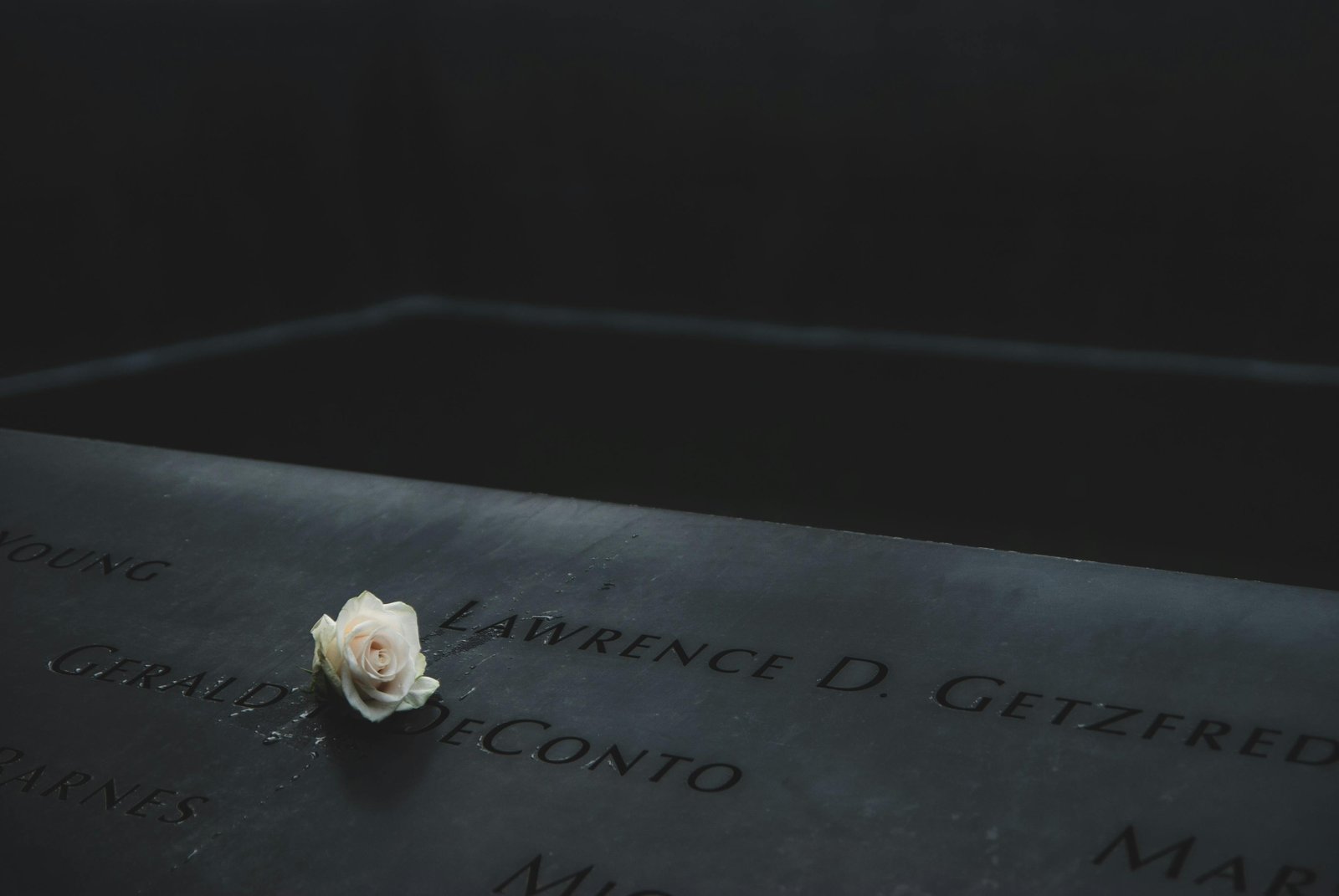
Tragedy is a genre of literature that has long delved into the complexities of human experiences, often touching upon themes of equality and equity. Through the lens of tragic narratives, authors explore the struggles and injustices faced by individuals in society, highlighting the disparities in power, privilege, and opportunities. In this blog post, we will delve into how the concepts of equality and equity are depicted in various tragic works throughout the history of literature. Equality, in its simplest form, refers to the state of being equal, where everyone is treated fairly and has the same rights and opportunities. In tragedy literature, we often see protagonists grappling with the lack of equality in their lives. Whether it is due to their social status, gender, race, or other factors, characters are frequently confronted with the harsh realities of inequality. For instance, in Shakespeare's "Othello," the titular character faces discrimination and prejudice due to his race, leading to tragic consequences. The play sheds light on the devastating effects of racism and the struggle for equality in a society that is plagued by prejudice. Equity, on the other hand, is about fairness and justice, ensuring that individuals receive what they need to thrive and succeed, even if it means providing different levels of support or resources based on their circumstances. Tragedy literature often explores the absence of equity, showcasing how systemic injustices can perpetuate cycles of suffering and misfortune. In works like Arthur Miller's "Death of a Salesman," the protagonist Willy Loman grapples with the harsh reality of an economic system that values profit over people, ultimately leading to his tragic demise. The play highlights the inequities inherent in a capitalist society and the toll it takes on those who are unable to meet its unforgiving standards. Tragic narratives serve as powerful reflections of the complexities of human existence, shining a spotlight on the harsh truths of inequality and injustice. Authors use their storytelling skills to provoke thought and elicit empathy from readers, encouraging them to confront the uncomfortable realities of a world where equality and equity are often elusive ideals. By engaging with tragedy literature, we are challenged to examine our own beliefs and values, to question the systems that perpetuate inequality, and to strive for a more just and equitable society for all. In conclusion, the themes of equality and equity are central to the genre of tragedy literature, offering profound insights into the human condition and the societal forces that shape our lives. Through tragic narratives, authors illuminate the struggles faced by individuals who are marginalized and oppressed, reminding us of the urgent need to advocate for justice and fairness in our world. As we immerse ourselves in these powerful stories, we are compelled to reflect on our own roles in creating a more equitable and inclusive society, where all individuals have the opportunity to live with dignity and respect. Seeking answers? You might find them in https://www.discutir.org
Leave a Comment:
SEARCH
Recent News
- Zurich, Switzerland is a vibrant city known for its rich cultural scene and diverse music offerings. One unique aspect of Zurich's music scene is the presence of Sudanese music, which has found a home in the city's melting pot of cultures.
- Visiting Zurich, Switzerland, can be an enriching experience for music lovers from all corners of the world. While the city may not be the first place that comes to mind when thinking about South African music, Zurich's diverse music scene offers a glimpse into the vibrant sounds of this African nation.
- Zurich, Switzerland is a vibrant city known for its stunning architecture, picturesque landscapes, and rich culture. One aspect of Zurich's cultural scene that often goes under the radar is its regional music. The city and its surrounding areas are home to a diverse range of musical styles, reflecting the multiculturalism and artistic diversity of the region.
- Top 5 Zurich Regional Movies You Must Watch
- Zurich, Switzerland, is a vibrant city known for its stunning architecture, picturesque landscapes, and thriving cultural scene. In recent years, the city has also become a hub for film production, attracting filmmakers from around the world. Interestingly, a connection has emerged between Zurich and Paraguay through the medium of film.
- Zurich, Switzerland: Discovering the Vibrant Norwegian Music Scene
- Zurich - A Hub for Hungarian Films
- Zurich, Switzerland: A Hub for Estonian Music
READ MORE
10 months ago Category :

Zurich, Switzerland is a vibrant city known for its rich cultural scene and diverse music offerings. One unique aspect of Zurich's music scene is the presence of Sudanese music, which has found a home in the city's melting pot of cultures.
Read More →10 months ago Category :

Visiting Zurich, Switzerland, can be an enriching experience for music lovers from all corners of the world. While the city may not be the first place that comes to mind when thinking about South African music, Zurich's diverse music scene offers a glimpse into the vibrant sounds of this African nation.
Read More →10 months ago Category :

Zurich, Switzerland is a vibrant city known for its stunning architecture, picturesque landscapes, and rich culture. One aspect of Zurich's cultural scene that often goes under the radar is its regional music. The city and its surrounding areas are home to a diverse range of musical styles, reflecting the multiculturalism and artistic diversity of the region.
Read More →10 months ago Category :
