**Exploring Pain and Resilience: Reviews of Books and Documentaries Centered on Tragedies in the Hispanic Community**
Category : | Sub Category : Posted on 2024-10-05 22:25:23
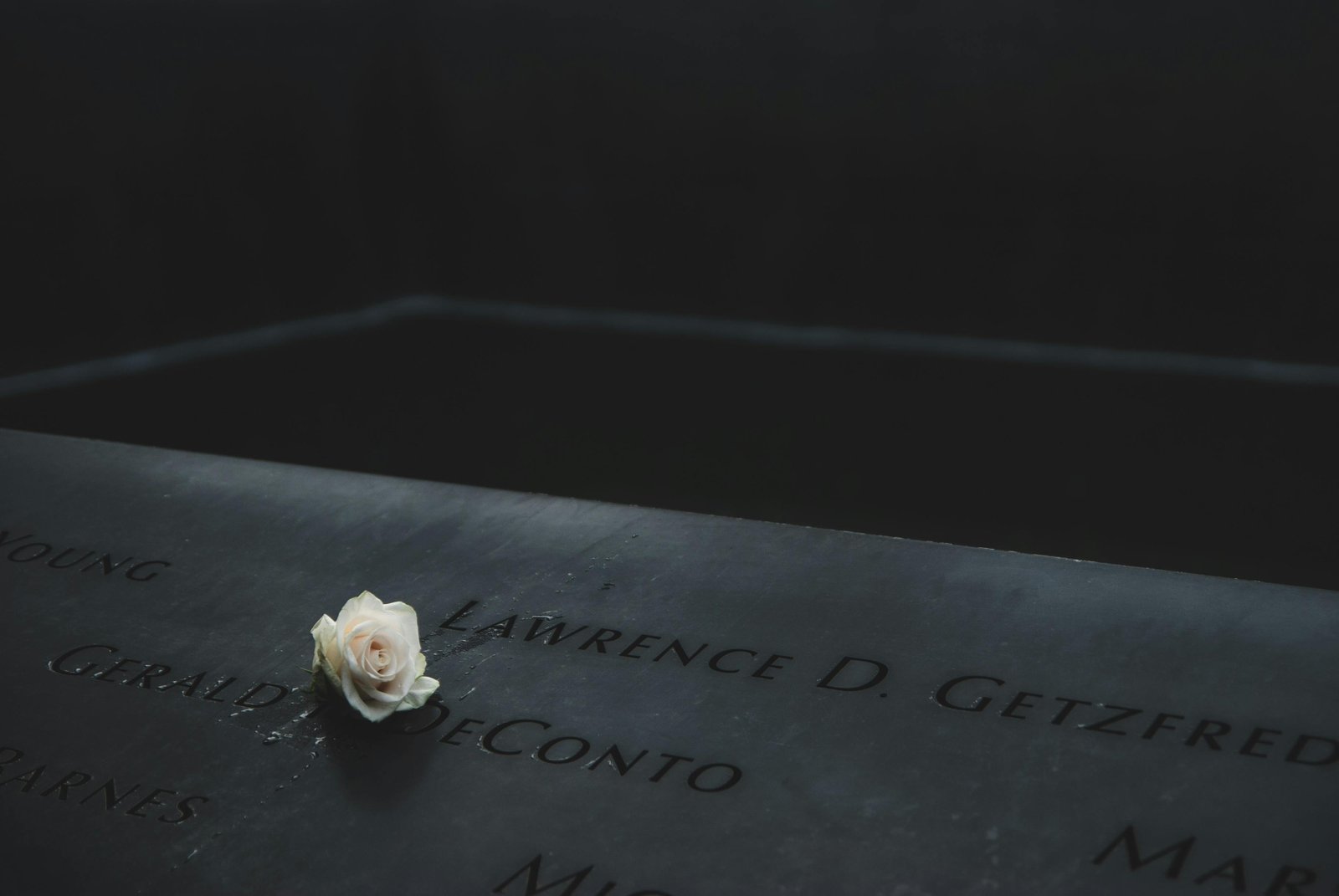
tragedies within the Hispanic community have often been a subject of both heartache and resilience. Through various forms of media such as books and documentaries, the stories of these communities have been brought to light, highlighting the challenges faced and the strength displayed in the face of adversity. In this blog post, we will explore and review some impactful works that delve into the tragedies experienced by the Hispanic community. **"Lost Children Archive" by Valeria Luiselli** Valeria Luiselli's novel "Lost Children Archive" follows the journey of a family on a road trip across America, intertwining their story with that of migrant children making a dangerous journey to reach the United States. The book beautifully captures the struggles and tragedies faced by migrant families, shedding light on the harsh realities of immigration policies and the toll it takes on individuals and families. Luiselli's haunting prose and vivid storytelling make this novel a compelling and poignant read that resonates deeply with the experiences of the Hispanic community. **"The Sentence" (La Sentencia) by Rudy Valdez** documentary filmmaker Rudy Valdez's "The Sentence" is a powerful and emotional exploration of the impact of incarceration on Hispanic families. The film follows the story of Cindy Shank, a mother of three who is serving a 15-year sentence for a non-violent crime. Through intimate home videos and interviews with Shank's family, "The Sentence" poignantly showcases the devastation caused by the criminal justice system and the ripple effects of incarceration on loved ones. Valdez's documentary sheds light on the human cost of mass incarceration, particularly within marginalized communities, and calls attention to the need for reform and support for affected families. **"Tell Me How It Ends: An Essay in Forty Questions" by Valeria Luiselli** Valeria Luiselli's essay "Tell Me How It Ends" delves into the experiences of undocumented child migrants seeking refuge in the United States. The author, who worked as a volunteer interpreter for these children, reflects on the harrowing stories she heard and the complexities of the immigration system. Through a series of forty questions posed to these children, Luiselli illuminates the struggles they face and the heartbreaking choices they are forced to make in search of safety and a better future. This poignant and thought-provoking essay sheds light on the humanitarian crisis at the border and the urgent need for compassion and understanding towards immigrant communities. In conclusion, books and documentaries centered on tragedies within the Hispanic community serve as powerful tools for raising awareness, fostering empathy, and prompting action towards social justice and change. These works not only illuminate the challenges faced by Hispanic individuals and families but also celebrate their resilience, strength, and unwavering spirit in the face of adversity. By engaging with these narratives, we can better understand the lived experiences of these communities and work towards a more inclusive and compassionate society.
Leave a Comment:
SEARCH
Recent News
- Zurich, Switzerland is a vibrant city known for its rich cultural scene and diverse music offerings. One unique aspect of Zurich's music scene is the presence of Sudanese music, which has found a home in the city's melting pot of cultures.
- Visiting Zurich, Switzerland, can be an enriching experience for music lovers from all corners of the world. While the city may not be the first place that comes to mind when thinking about South African music, Zurich's diverse music scene offers a glimpse into the vibrant sounds of this African nation.
- Zurich, Switzerland is a vibrant city known for its stunning architecture, picturesque landscapes, and rich culture. One aspect of Zurich's cultural scene that often goes under the radar is its regional music. The city and its surrounding areas are home to a diverse range of musical styles, reflecting the multiculturalism and artistic diversity of the region.
- Top 5 Zurich Regional Movies You Must Watch
- Zurich, Switzerland, is a vibrant city known for its stunning architecture, picturesque landscapes, and thriving cultural scene. In recent years, the city has also become a hub for film production, attracting filmmakers from around the world. Interestingly, a connection has emerged between Zurich and Paraguay through the medium of film.
- Zurich, Switzerland: Discovering the Vibrant Norwegian Music Scene
- Zurich - A Hub for Hungarian Films
- Zurich, Switzerland: A Hub for Estonian Music
READ MORE
10 months ago Category :

Zurich, Switzerland is a vibrant city known for its rich cultural scene and diverse music offerings. One unique aspect of Zurich's music scene is the presence of Sudanese music, which has found a home in the city's melting pot of cultures.
Read More →10 months ago Category :

Visiting Zurich, Switzerland, can be an enriching experience for music lovers from all corners of the world. While the city may not be the first place that comes to mind when thinking about South African music, Zurich's diverse music scene offers a glimpse into the vibrant sounds of this African nation.
Read More →10 months ago Category :

Zurich, Switzerland is a vibrant city known for its stunning architecture, picturesque landscapes, and rich culture. One aspect of Zurich's cultural scene that often goes under the radar is its regional music. The city and its surrounding areas are home to a diverse range of musical styles, reflecting the multiculturalism and artistic diversity of the region.
Read More →10 months ago Category :
